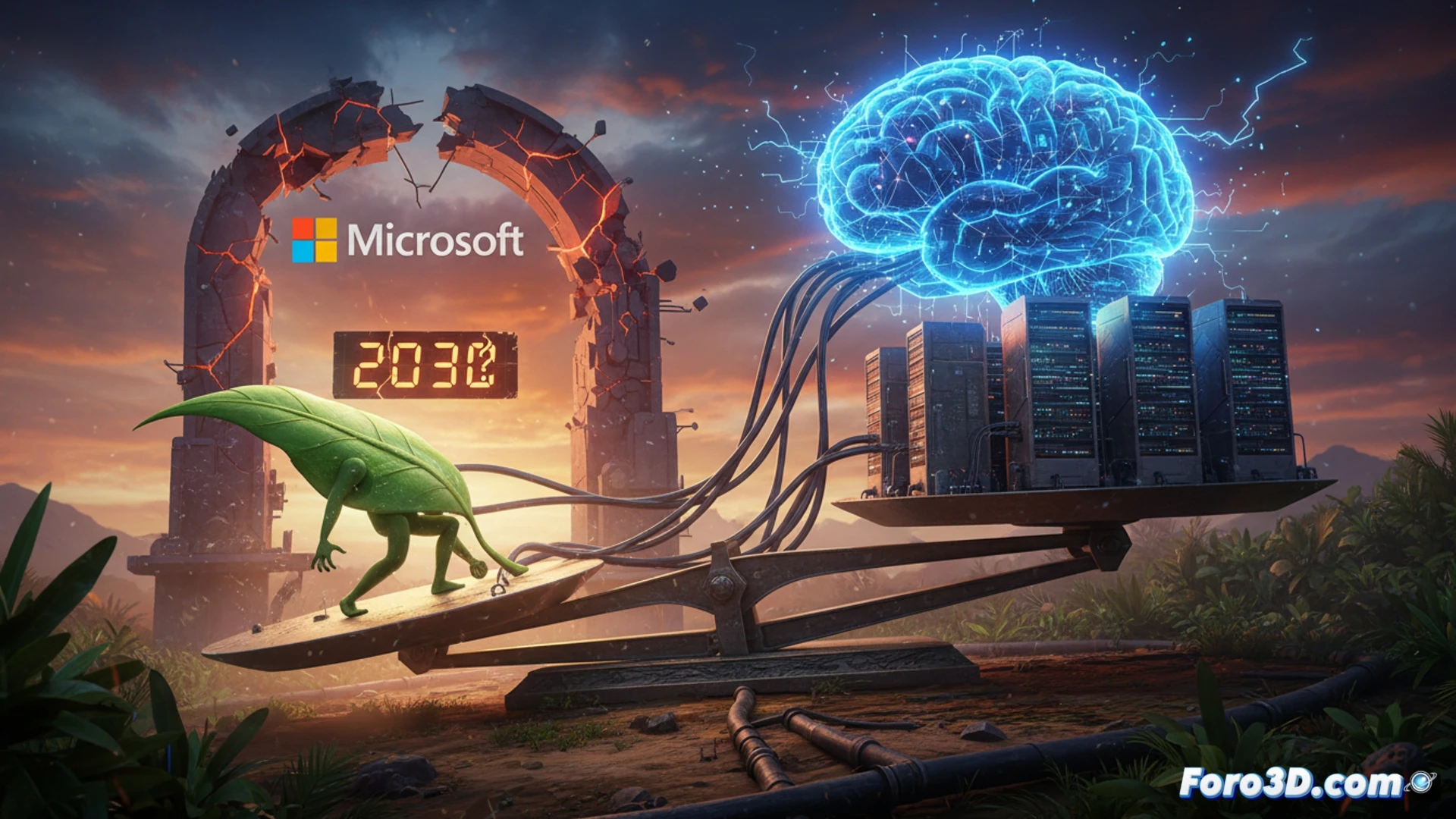
The rapid ascent of generative artificial intelligence is reshaping the global economy, but We see also creating a profound tension between technological ambition and environmental responsibility. Microsoft, a primary architect of the current AI revolution, now finds itself at a critical crossroads as the immense power requirements of large language models threaten to derail its long-standing climate commitments.
For years, the tech giant has positioned itself as a leader in corporate sustainability, pledging to become carbon negative by 2030. However, the infrastructure required to sustain the AI boom—massive data centers packed with energy-hungry GPUs—is consuming electricity at a rate that far exceeds previous projections. This surge in demand is forcing a reckoning over whether the goal of matching 100% of electricity consumption with zero-carbon energy by 2030 remains feasible under current market conditions.
The challenge is not merely a matter of purchasing renewable energy credits, but of physical infrastructure. As Microsoft scales its AI capabilities, the strain on local electrical grids has intensified, and the cost of building the necessary clean energy capacity has risen. This creates a paradoxical loop: to power the AI that could potentially help solve climate change, the company is currently increasing its reliance on a power grid that is still heavily dependent on fossil fuels.
The AI Power Surge and the Sustainability Gap
The core of the problem lies in the sheer computational intensity of generative AI. Unlike traditional cloud computing, training and deploying large-scale AI models requires specialized hardware that operates at significantly higher power densities. This has led to a dramatic increase in the energy footprint of data centers globally.
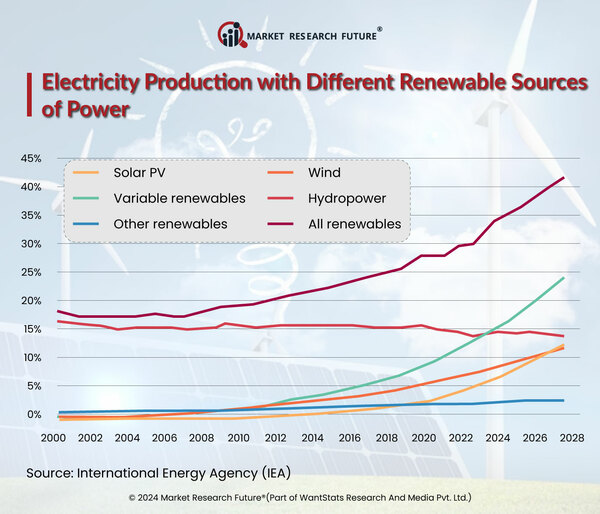
According to Microsoft’s own 2024 Environmental Sustainability Report, the company’s total carbon emissions have actually increased since 2020. This rise is attributed largely to “Scope 3” emissions—the indirect emissions that occur in the company’s value chain, specifically the construction of new data centers and the manufacturing of the hardware required for AI.
The goal to match 100% of electricity use with renewable energy on an hourly basis by 2030 is particularly ambitious. While many companies rely on annual offsets, hourly matching requires that every kilowatt-hour of electricity used by a data center be matched by a kilowatt-hour of carbon-free energy produced on the same grid in the same hour. With the AI-driven power surge, the gap between available renewable supply and Microsoft’s demand is widening.
Infrastructure Costs and Grid Constraints
The transition to a fully green energy profile is being hampered by two primary factors: the cost of clean infrastructure and the limitations of existing electrical grids. Building new wind and solar farms takes years of permitting and construction, and the capital expenditure required to scale these projects to meet AI demands is staggering.
many of the regions where Microsoft is expanding its data center footprint are struggling with “grid congestion.” In several markets, the existing transmission lines cannot handle the massive load required by AI clusters, forcing operators to rely on existing, often carbon-heavy, power sources to keep the servers running. This creates a direct conflict with the company’s 2030 mandate.
The Role of Scope 3 Emissions
To understand why Microsoft is struggling, it is essential to distinguish between different types of emissions. While the company may successfully transition its direct operations (Scope 1 and 2) to renewable energy, Scope 3 emissions—which include the concrete and steel used to build massive data center shells—have surged. The physical expansion required to house AI hardware is effectively “locking in” carbon emissions that cannot be easily offset by buying wind farm shares.
The ‘Nuclear Option’: Seeking Stable Carbon-Free Power
Recognizing that wind and solar alone may be insufficient to meet the baseline power needs of AI, Microsoft has begun exploring more stable, high-capacity carbon-free energy sources. The most notable shift has been toward nuclear energy, which provides the constant “baseload” power that intermittent renewables cannot.
In a landmark move to secure its energy future, Microsoft entered into a massive agreement with Constellation Energy to restart a reactor at the Three Mile Island nuclear plant. This deal aims to provide a dedicated source of carbon-free electricity to power Microsoft’s AI operations, signaling a strategic pivot toward nuclear power as a necessary pillar of its sustainability strategy.
This shift suggests that while the 2030 goals remain on the books, the method of achieving them is changing. The reliance on traditional renewables is being supplemented—and in some cases replaced—by a push for Minor Modular Reactors (SMRs) and the revitalization of existing nuclear assets.
What In other words for the Tech Industry
Microsoft’s struggle is a bellwether for the entire tech sector. Google and Amazon are facing nearly identical pressures as they race to build out their own AI infrastructures. The industry is discovering that the “weightless” nature of software is a myth; AI has a massive, physical, and environmental footprint.
For the global audience, this highlights a critical trade-off in the AI era. The tools that promise to increase productivity and discover new medicines require an unprecedented amount of energy. If the world’s largest tech companies cannot find a way to decouple AI growth from carbon emissions, the environmental cost of the AI revolution could outweigh its initial benefits.
| Feature | Traditional Cloud Computing | Generative AI (LLMs) |
|---|---|---|
| Hardware | Standard CPUs / General Purpose | High-density GPUs (e.g., NVIDIA H100) |
| Power Profile | Relatively stable, predictable load | Extreme spikes during training/inference |
| Cooling Needs | Standard air/liquid cooling | Advanced liquid cooling required |
| Grid Impact | Incremental growth | Exponential demand surges |
Looking Ahead: The Path to 2030
The question is no longer whether AI consumes a lot of power, but whether the energy transition can move fast enough to keep pace with the software. Microsoft continues to invest in carbon capture technology and new energy partnerships, but the mathematical reality of its 2024 emissions data suggests that the 2030 deadline is under significant pressure.
Industry analysts are watching closely to see if Microsoft will formally adjust its timeline or if the pivot to nuclear energy will be enough to close the gap. The company’s ability to navigate this crisis will likely set the standard for how the rest of the AI industry handles the conflict between innovation and ecology.
The next major checkpoint for the company’s progress will be the release of its next annual sustainability report, which will provide the most current data on whether the nuclear pivot and new infrastructure investments are successfully bending the emissions curve downward.
Do you think the benefits of AI justify the environmental cost, or should tech companies slow their rollout until green energy catches up? Share your thoughts in the comments below.
Related reading