
In the rapidly evolving diplomatic landscape between the United States and Iran, a series of developments has drawn global attention to the potential for a breakthrough in long-standing tensions. As of mid-April 2026, U.S. President Donald Trump has signaled growing optimism about reaching an agreement with Tehran, even as he maintains pressure through sustained sanctions and military posturing. These contrasting signals — offering dialogue while keeping coercive measures in place — reflect a delicate strategy aimed at compelling negotiation without appearing to concede ground prematurely.
The situation gained renewed urgency following Trump’s announcement that he had extended a pause on potential military strikes against Iran’s nuclear facilities by an additional 10 days, pushing the deadline to April 6, 2026. This came after an initial five-day delay announced in late March, effectively creating a 15-day window for diplomacy to proceed. Trump characterized the ongoing talks as “going very well,” despite Iranian officials publicly rejecting his characterization of their willingness to engage, insisting that any U.S. Offer primarily serves Washington and Tel Aviv’s interests.
Central to the current diplomatic push is the status of the Strait of Hormuz, a critical maritime chokepoint through which approximately 20% of the world’s oil passes. Trump affirmed that while commercial transit through the strait remains fully open and operational, U.S.-led sanctions targeting Iran will remain in full force until a comprehensive agreement is reached. He emphasized that the sanctions would not be eased, even as he expressed confidence that negotiations were advancing rapidly due to prior progress on most agenda items.
These developments unfold against a backdrop of regional instability, including recent military incidents that have heightened fears of broader conflict. While specific details of such events vary across reports, the broader context includes ongoing concerns about maritime security in the Gulf, proxy tensions involving groups like Hezbollah, and the enduring rivalry between Israel and Iran — all of which contribute to the high stakes surrounding any U.S.-Iran accord.
Trump’s Dual-Track Approach: Diplomacy Amid Pressure
President Trump’s recent statements reveal a calculated dual-track strategy: publicly encouraging diplomatic engagement while maintaining — and in some cases intensifying — economic and military pressure on Iran. In a public appearance outside the White House ahead of a trip to Las Vegas, Trump told reporters that a deal with Iran was “very close,” citing “intense and productive” negotiations underway. This optimism was echoed by his special envoy, Steve Witkoff, who told Fox News that the U.S. Had received “strong signals” from Tehran indicating readiness to engage seriously in talks.
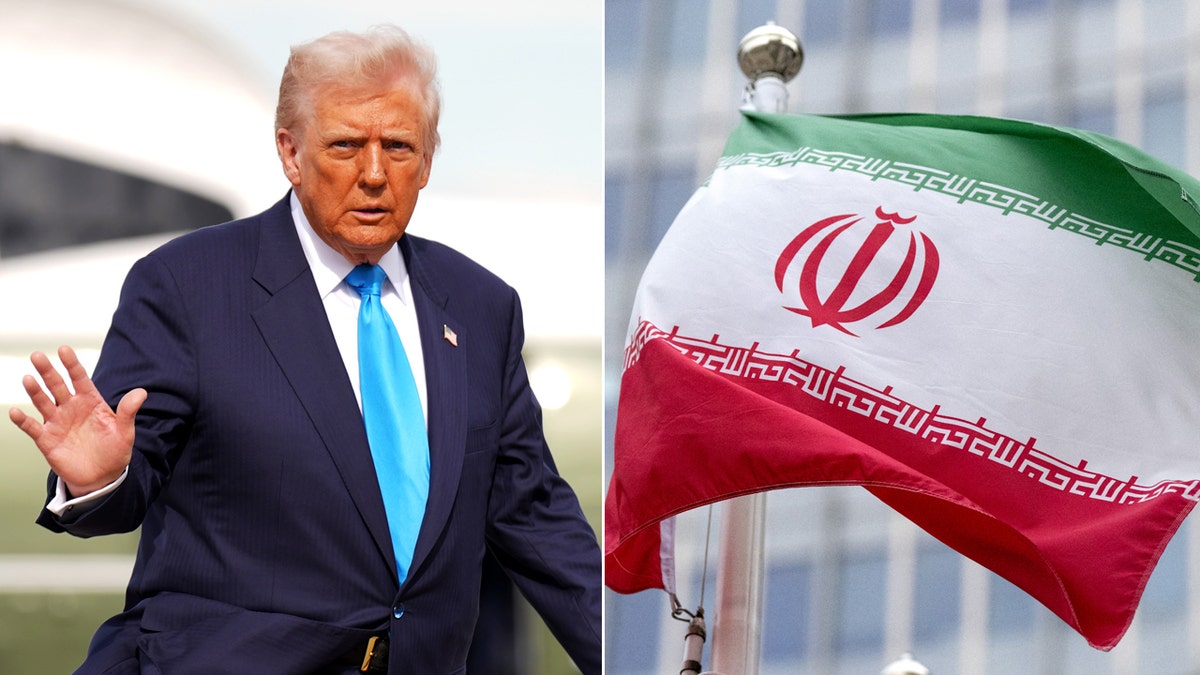
Witkoff further disclosed that the U.S. Had, for the first time, delivered a 15-point action plan to Iranian officials through Pakistani intermediaries, outlining specific steps Tehran would need to take to satisfy U.S. Demands. While the full contents of the document were not made public, such a move signals a shift toward more structured diplomacy, even as the administration continues to frame concessions as conditional, and reversible.
Despite this forward momentum, Iranian leadership remains skeptical. Iranian President Masoud Pezeškijan, in a meeting with Pakistan’s Chief of Army Staff General Asim Munir, reiterated that Iran seeks regional peace and stability but condemned what he described as Zionist efforts to sow division among Muslim nations. He emphasized that any lasting solution must be grounded in international law and must uphold the rights of the Iranian people — a clear rebuff to the notion that Iran is capitulating to external pressure.
The Strait of Hormuz: A Barometer of Tensions
The Strait of Hormuz continues to serve as both a symbolic and strategic focal point in U.S.-Iran relations. Trump’s declaration that the waterway remains “fully open and ready for commercial traffic” was intended to reassure global markets and maritime industries that energy flows would not be disrupted. Though, he immediately coupled this assurance with a warning: U.S.-led sanctions on Iran would persist at full strength until a deal is finalized.
This position underscores the administration’s belief that economic leverage remains its most effective tool, even as it seeks a negotiated outcome. Analysts note that while military action remains a last resort, the credible threat of force — combined with sustained sanctions — is meant to create urgency in Tehran to avoid escalation. The extension of the strike pause, functions not as a sign of weakness but as a tactical delay to allow diplomacy a chance to succeed under duress.
Maritime security in the region has been a persistent concern for years, with periodic incidents involving seizures of vessels, drone encounters, and close-quarters naval maneuvers heightening the risk of miscalculation. The U.S. Fifth Fleet, based in Bahrain, maintains a regular presence to ensure freedom of navigation, though its operations are often monitored closely by Iranian forces.
Regional Ripple Effects: Beyond the Negotiating Table
The potential for a U.S.-Iran agreement extends far beyond bilateral relations, influencing dynamics across the Middle East. A successful diplomatic outcome could reduce the likelihood of proxy conflicts in countries like Yemen, Syria, and Lebanon, where Iranian-backed groups operate alongside adversaries supported by Saudi Arabia, Israel, and Western powers. Conversely, a breakdown in talks risks reigniting fears of a regional conflagration, particularly if Israel perceives an imminent threat from Iran’s nuclear program and considers unilateral action.
Iranian officials have consistently framed their foreign policy through the lens of Islamic unity and anti-Zionism, with Pezeškijan urging Muslim nations to resist what he described as efforts to divide the ummah. This ideological stance complicates negotiations, as any perceived concession to U.S. Or Israeli demands could be portrayed domestically as a betrayal of revolutionary principles — a risk Iranian leaders appear keen to avoid.
Meanwhile, U.S. Allies in the region, particularly Israel and Gulf states, remain watchful. While some have expressed cautious hope that diplomacy could prevent war, others remain deeply skeptical of Iran’s intentions and advocate for maintaining maximum pressure regardless of diplomatic overtures.
What Comes Next: Watching for Verifiable Developments
As of April 17, 2026, the most recent verifiable milestone in the U.S.-Iran diplomatic process is Trump’s announcement regarding the extension of the military strike pause and his comments on the continued efficacy of sanctions pending a deal. No formal agreement has been signed, nor have specific terms been publicly disclosed by either side. The next concrete deadline to watch is the revised April 6, 2026, cutoff for the pause on potential military action — though it remains unclear whether this date will be extended further should negotiations require more time.
Official updates are most likely to emerge through White House press briefings, statements from the U.S. State Department, or verified posts on President Trump’s social media platforms. Iranian perspectives are typically conveyed via state media such as IRIB or remarks from officials like Pezeškijan and Foreign Minister Abbas Araghchi. International monitors, including the IAEA, continue to oversee Iran’s nuclear activities, though their access and reporting remain subject to diplomatic conditions.
For readers seeking to follow developments, reliable sources include direct government communications, reputable international news agencies like Reuters and the Associated Press, and multilateral organizations tracking regional security. Caution is advised when interpreting claims from partisan outlets or unverified social media reports, particularly those lacking corroboration from multiple independent sources.
As this story continues to unfold, the balance between diplomacy and deterrence will remain central to understanding not only the future of U.S.-Iran relations but likewise the broader stability of one of the world’s most geopolitically sensitive regions.
Stay informed, share thoughtful perspectives, and join the conversation below.
Worth a look