
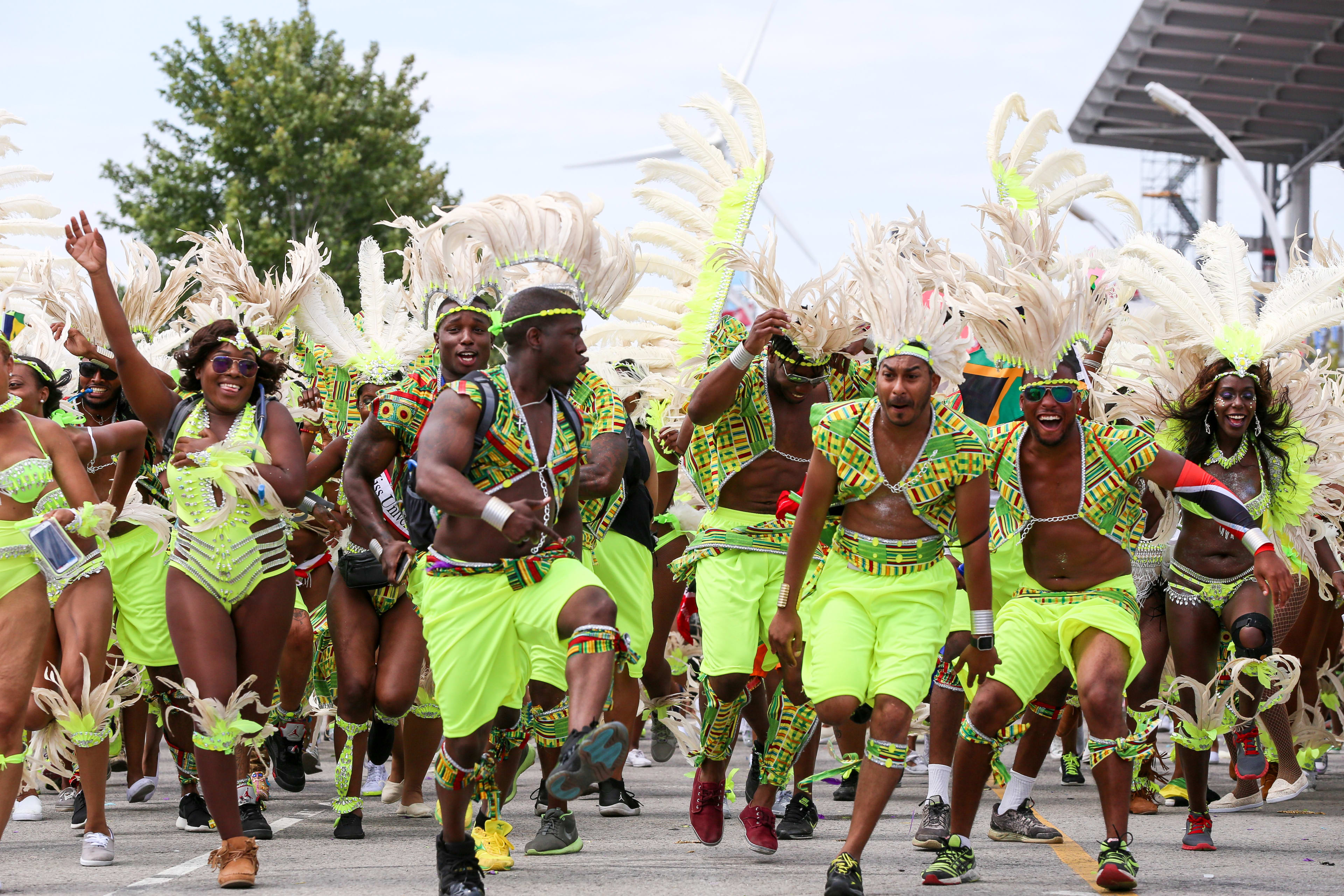
In the heart of Toronto, where neon-lit skyscrapers meet the pulse of multicultural energy, a quiet revolution is unfolding—not in boardrooms or city halls, but in the basements of the city’s neighborhoods. Here, a new generation of partygoers is rediscovering the basement jam, a phenomenon rooted in Toronto’s Caribbean diaspora but now embraced by millennials and Gen Z as a antidote to the sterile, algorithm-driven club scenes of today. What began as a grassroots tradition—where music, dance and community collide in unpolished spaces—has evolved into a cultural movement, blending nostalgia with innovation. But why are Torontonians flocking to basements, and what does this revival say about the future of nightlife and social connection in a digital age?
The basement jam isn’t just a party; it’s a cultural reset. For decades, Toronto’s Caribbean communities—particularly those from Jamaica, Trinidad and Tobago, and other islands—hosted basement parties as a way to preserve music traditions like dancehall, reggae, and soca while fostering tight-knit social bonds. These gatherings, often held in private homes or community centers, were characterized by their intimacy, spontaneity, and lack of commercialization. Unlike the high-budget, VIP-driven clubs of today, basement jams thrived on the energy of the crowd, the DJ’s ability to read the room, and the unfiltered joy of dancing until sunrise.
Now, a new wave of Torontonians—many of them millennials raised on the city’s diverse soundscape—are reviving this tradition, but with a twist. They’re not just recreating the past; they’re reimagining it. “There’s something pure about a basement party,” says DJ Kaya, a Toronto-based selector who has been at the forefront of the revival. “No flashy lights, no overpriced drinks, just fine music and good people. It’s a reaction to the performative, Instagram-friendly club culture we’ve grown tired of.” Kaya, whose sets often blend classic Caribbean sounds with modern electronic beats, notes that the basement jam’s resurgence aligns with a broader cultural fatigue with digital detachment. In an era where social media dictates trends and exclusivity is curated by algorithms, the basement offers a rare space for authentic, unfiltered connection.
But how did a niche tradition become a citywide phenomenon? The answer lies in Toronto’s unparalleled cultural diversity and its history as a hub for immigrant communities. According to a 2021 report by Statistics Canada, over 50% of Toronto’s residents are foreign-born, with significant populations from the Caribbean, South Asia, and Africa. This demographic richness has created a melting pot of musical influences, and the basement jam has become a canvas where these sounds intersect. “Toronto has always been a city of cross-pollination,” explains Dr. Lisa Thompson, a cultural anthropologist at the University of Toronto who studies diasporic music scenes. “The basement jam is a perfect example of how marginalized communities take ownership of space and sound, then hand it down to the next generation.”
Today, the basement jam scene in Toronto is a patchwork of both traditional and experimental gatherings. Some events remain true to the original formula—think dimly lit rooms, vinyl records spinning, and crowds dancing in a circle. Others incorporate modern elements, like live-streamed performances or hybrid digital-physical ticketing. Platforms like Eventbrite and local Facebook groups have made it easier to discover these events, though many still rely on word-of-mouth and flyers in community centers. “The magic happens when you don’t know what to expect,” says Marcus “MJ” Johnson, a Toronto-based event promoter who organizes basement-style parties at venues like The Fields Institute. “It’s not about the production value; it’s about the vibe.”
The Revival: Why Millennials Are Bringing Back the Basement Jam
The resurgence of basement jams isn’t just about music—it’s a social and psychological response to the way modern life has fragmented our experiences. Psychologists and sociologists point to several key factors driving this trend:

- Rejection of Performative Socializing: The rise of TikTok dances, influencer culture, and curated club experiences has led many to crave genuine, unscripted interactions. Basement jams offer a space where the focus is on the music and the people in the room, not on performing for an audience.
- Nostalgia for Analog Experiences: Millennials who grew up in the 2000s—an era of dial-up internet, mixtapes, and block parties—are seeking out tactile, analog experiences. The basement jam, with its vinyl records, handwritten flyers, and communal energy, feels like a throwback to a time before screens dominated social life.
- Community Over Commercialization: In a city where nightlife can feel exclusive and corporate, basement jams provide an alternative where the priority is accessibility and inclusivity. Many events are donation-based or sliding scale, making them more attainable than $50 cover charges at mainstream clubs.
- A Reaction to the Gig Economy: For many young Torontonians, the precarious nature of work—gig jobs, freelancing, and unstable incomes—has made traditional clubbing financially daunting. Basement jams, often held in private homes or low-cost venues, offer a budget-friendly escape.
This revival also reflects Toronto’s ongoing evolution as a cultural capital. While cities like New York and London are often associated with cutting-edge nightlife, Toronto’s scene has long been defined by its grassroots, community-driven ethos. “Toronto has never been about the hype,” says DJ Semtex, a veteran of the city’s underground scene. “It’s about the people who show up and make it happen. The basement jam is just the latest chapter in that story.”
Where to Find Toronto’s Best Basement Jams
If you’re looking to experience the basement jam revival firsthand, here are some of the city’s most notable spots and events:

- The Fields Institute: This cultural hub in the city’s west end hosts regular basement-style parties, blending Caribbean sounds with electronic and hip-hop. Check their calendar for upcoming events.
- Dundas West Community Centre: A longtime hub for Caribbean culture, this center often hosts soca and dancehall nights that mirror the basement jam experience. Visit their events page for details.
- Private Homes and Pop-Ups: Many basement jams are still held in private residences or pop-up venues. Platforms like Toronto Parties Facebook Group and Eventbrite often list these events, though word-of-mouth remains key.
- Jamaica Social & Cultural Centre: Located in the city’s Little Jamaica neighborhood, this center frequently hosts traditional basement-style parties, particularly during Caribbean festivals like Caribana. Explore their events.
For those new to the scene, it’s worth noting that basement jams often have unwritten rules. Dress is usually casual, and the atmosphere is inclusive and welcoming. While some events may have a cover charge, many operate on a donation or pay-what-you-can basis. And unlike mainstream clubs, where bouncers patrol the doors, basement jams are typically open to all who show up—as long as you bring good energy.
The Future: Can the Basement Jam Survive in a Digital World?
The basement jam’s revival raises an important question: Can this analog tradition thrive in a digital-first world? Some worry that the very factors driving its popularity—authenticity, spontaneity, and community—could be diluted as the scene grows more mainstream. Others argue that the basement jam’s strength lies in its adaptability. “The beauty of this movement is that it’s not trying to be something it’s not,” says Thompson. “It’s embracing technology where it makes sense—like using social media to spread the word—but keeping the core experience intact.”
One example of this adaptation is the rise of hybrid basement jams, where live in-person events are paired with virtual components. During the COVID-19 pandemic, many organizers pivoted to live-streamed basement parties, allowing global audiences to experience the vibe from home. While some purists argue that this loses the magic of being in the room, others see it as a way to preserve the culture during times of isolation. “The pandemic forced us to get creative,” says DJ Kaya. “But even as we return to in-person events, the digital element has given us a new audience—and that’s something we’re not going to ignore.”
There’s also a growing conversation about commercialization risks. As basement jams gain popularity, there’s a fine line between sustainable growth and losing the soul of the scene. Some organizers are exploring cooperative models, where profits are reinvested into the community rather than funneled into corporate pockets. Others are advocating for more permanent spaces dedicated to basement-style events, rather than relying on temporary pop-ups.
Key Takeaways: What the Basement Jam Revival Tells Us About Toronto’s Culture
- A Return to Authenticity: The basement jam’s popularity reflects a broader cultural shift toward genuine, unfiltered experiences over performative ones.
- Community Over Commercialization: Toronto’s nightlife is increasingly valuing accessibility and inclusivity over exclusivity and high costs.
- Nostalgia as a Creative Force: Millennials and Gen Z are reclaiming analog traditions as a way to counter digital overload.
- Adaptability is Key: The basement jam’s survival depends on its ability to evolve without losing its core values.
- A Celebration of Diversity: Toronto’s multicultural fabric is the bedrock of this revival, showcasing how immigrant communities shape the city’s identity.
As Toronto’s basement jam scene continues to grow, it serves as a reminder of the power of grassroots culture. In a city often defined by its global ambition and economic prowess, these underground parties offer a human-scale alternative—one that prioritizes connection, creativity, and community over corporate trends. Whether you’re a lifelong Torontonian or a visitor looking to experience the city’s underground pulse, the basement jam is more than just a party. It’s a cultural reset.

For those eager to dive in, keep an eye on Toronto’s official nightlife guide, local Facebook groups, and community centers for updates on upcoming basement jams. And if you attend, remember: the best way to experience a basement jam is to let go of expectations and just dance.
Next Checkpoint: The next major Caribbean cultural event in Toronto is the Caribana Festival, scheduled for July 2025. This annual celebration, which includes parades, concerts, and basement-style parties, is a key moment to experience the city’s Caribbean heritage at its most vibrant.
Have you experienced a basement jam in Toronto? Share your stories or recommendations in the comments below—or tag us on social media with #TorontoBasementJam to join the conversation. And if you’re planning a visit, let us know which neighborhoods you’d like to explore next!