Minnesotans Are Going Into Debt to Have Children as Fertility Coverage Push Fails Again
For Jennifer Stein, the road to parenthood was paved with medical debt, fundraisers, and the generosity of family and friends. After her husband survived leukemia in 2014, life-saving treatments left him unable to father a child naturally. The couple preserved his fertility before treatment began, but years later, when they were ready to start a family, in-vitro fertilization (IVF) became their only option. Their employer-sponsored insurance covered only a fraction of the cost—leaving them to drain savings, hold fundraisers, and rely on community support. Their daughter, Kennedy, was born in 2022 after one round of IVF, but the financial toll remains.
Stein’s story is increasingly common in Minnesota, where families like hers are turning to personal loans, crowdfunding, and even credit cards to afford fertility treatments. Unlike 25 other U.S. States, Minnesota has no law requiring health insurers to cover infertility care, leaving thousands of families to shoulder the burden alone. A bipartisan bill to change that—HF4609, sponsored by Rep. Carlie Kotyza-Witthuhn (DFL-Eden Prairie)—failed to advance in the Minnesota House Health Finance and Policy Committee in April 2026, despite testimony from advocates like Stein.
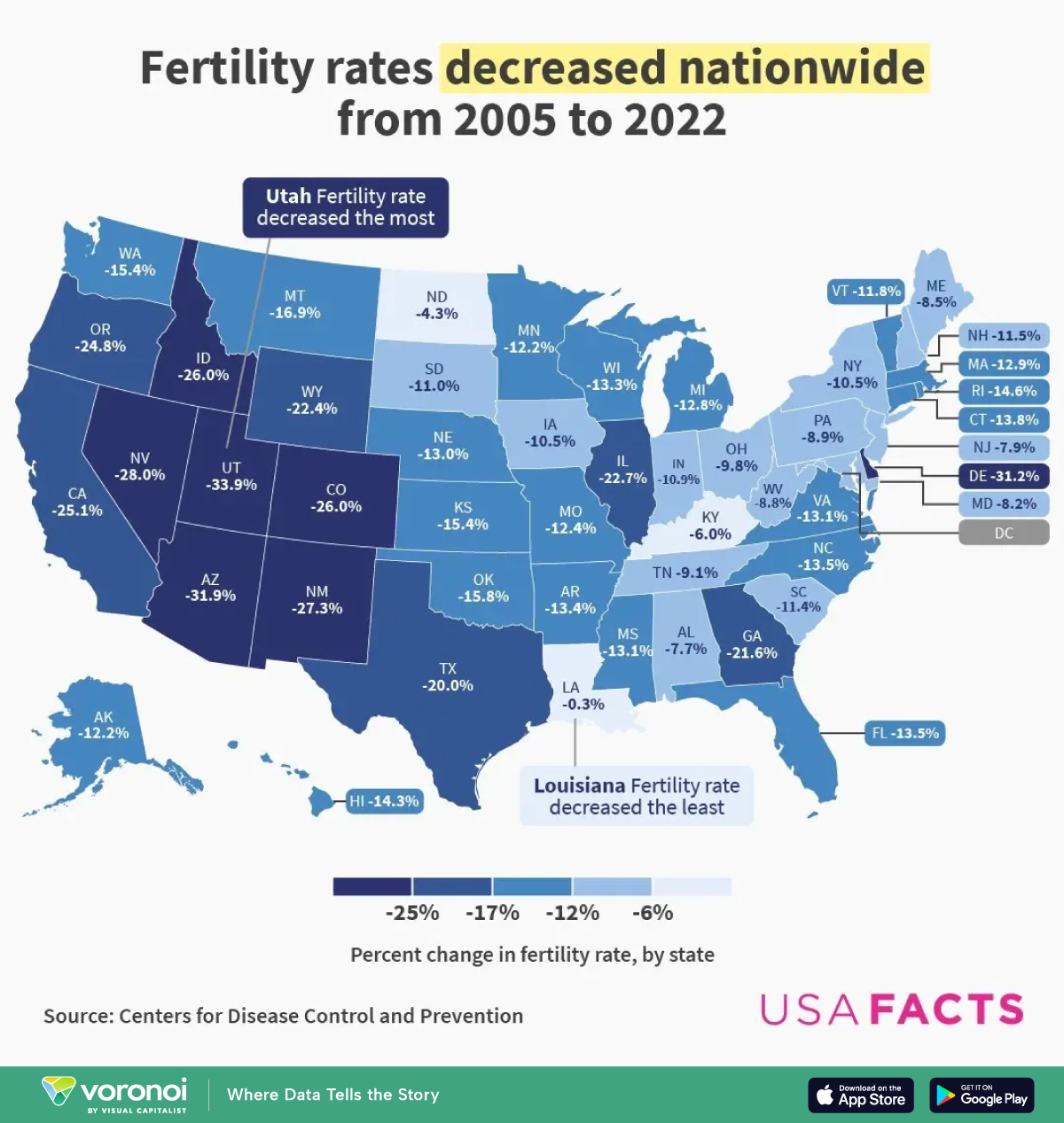
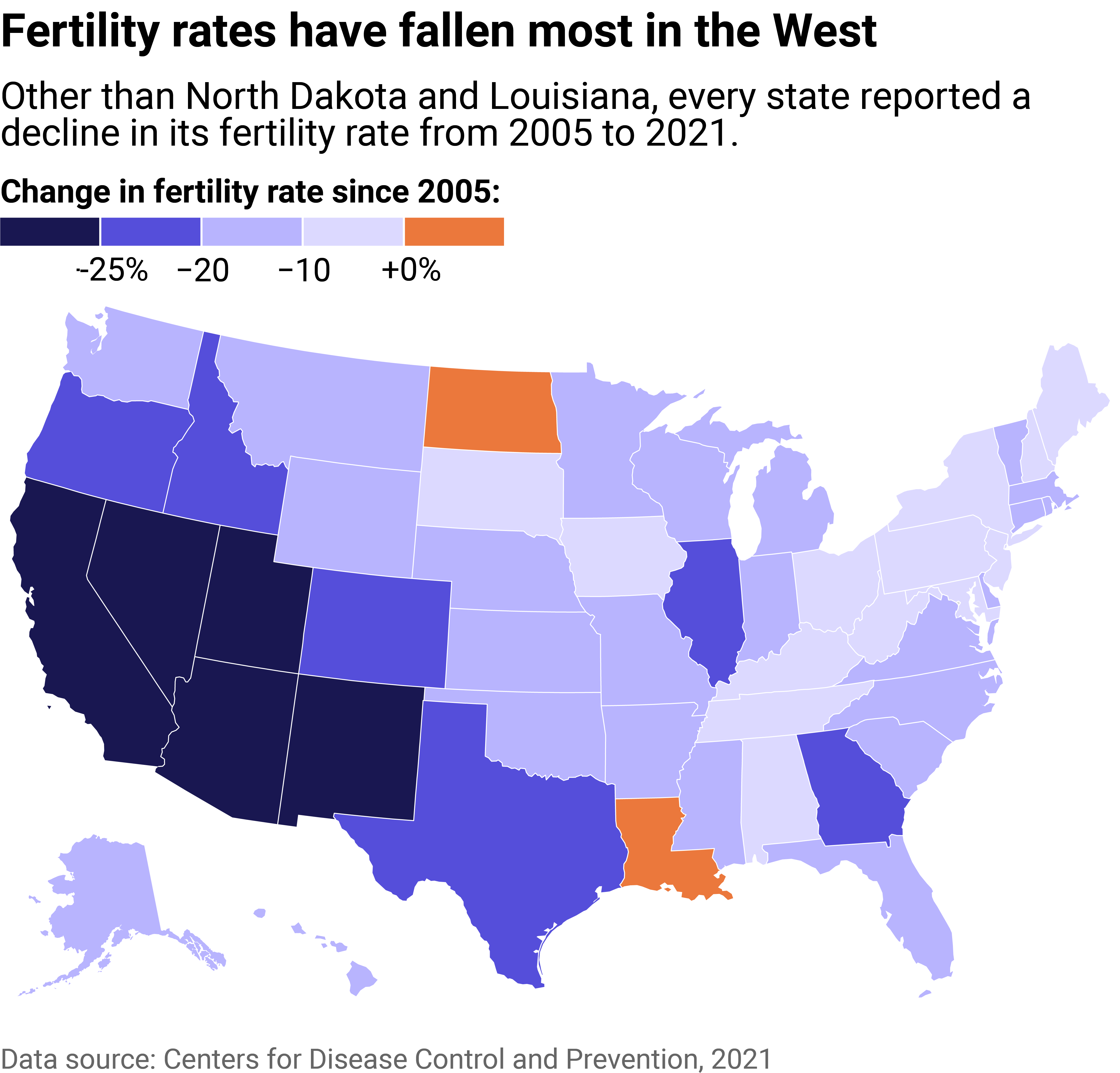
With birthrates declining nationwide and fertility treatments becoming more complex and costly, the failure to mandate coverage in Minnesota highlights a growing crisis: families who want children but cannot afford the path to parenthood. The economic strain is pushing some to delay family planning or forgo biological children altogether, while others take on debt that could take decades to repay.
Why Minnesota Lags Behind Other States on Fertility Coverage
Minnesota is one of just 15 states without any legal requirement for insurers to cover infertility treatments, according to the Minnesota House of Representatives. Twenty-five states have passed laws—either mandating full or partial coverage for IVF, egg freezing, or other fertility services—or requiring insurers to offer coverage as an optional rider. Connecticut, New York, and Massachusetts, for example, require insurers to cover IVF for all policyholders, while other states cap coverage at a set dollar amount per cycle.
In Minnesota, the lack of a mandate means coverage varies wildly. Some employer-sponsored plans offer partial coverage, while others exclude fertility treatments entirely. For couples like the Steins, this inconsistency creates financial uncertainty. IVF cycles can cost between $12,000 and $15,000 per attempt, not including medications, which can add another $3,000 to $5,000. Without insurance support, many families face impossible choices: delay treatment, take on debt, or give up on biological parenthood.
“We were lucky to have a supportive community,” Stein told the committee in April. “But not everyone has that safety net.” Her testimony echoed a broader trend: in states without mandates, fertility care is often a privilege reserved for those with financial resources or flexible employers.
The Human and Economic Cost of Uncovered Fertility Care
The financial strain of infertility treatments is pushing some Minnesotans to extreme measures. A 2025 report from the Minnesota Department of Health (though not publicly available in full) indicated rising use of medical credit cards and personal loans for fertility-related expenses. While exact figures are not yet published, advocates cite anecdotal evidence of families borrowing against homes or retirement savings to afford treatments.
For younger Minnesotans, the stakes are even higher. Egg freezing, a common fertility preservation method, costs between $5,000 and $10,000 per cycle and is often pursued by women in their late 20s and early 30s who delay parenthood for career or financial reasons. Without insurance coverage, many opt out entirely, contributing to Minnesota’s declining birthrate—a trend that has economic implications for the state’s workforce and tax base.
“The decision to have a child is already one of the most expensive in a person’s life,” said Rep. Kotyza-Witthuhn in a statement after the bill’s failure. “When insurance companies can deny coverage for fertility treatments, they’re essentially telling families, ‘Your future depends on your bank account.’”
What Happens Next for Minnesota’s Fertility Coverage Fight?
The failure of HF4609 in April 2026 does not mark the end of the debate. Advocates, including the Resolve: The National Infertility Association, are already planning to reintroduce similar legislation in the 2027 session. In the meantime, families like the Steins continue to navigate a broken system.
For those seeking alternatives, some Minnesota insurers offer voluntary infertility coverage as an add-on, though uptake remains low due to cost. Others turn to clinics that offer payment plans or sliding-scale fees, though these options are not widely available. Crowdfunding platforms like GoFundMe have also seen a rise in campaigns for fertility treatments, though the emotional and logistical burden of public fundraising is not a sustainable solution.
“We need systemic change,” Stein said in a follow-up interview. “No family should have to choose between medical debt and the dream of having a child.”
Key Takeaways
- Minnesota is one of 15 states without infertility coverage mandates, leaving families to pay out-of-pocket for treatments like IVF, which can cost $12,000–$15,000 per cycle.
- 25 states require insurers to cover fertility treatments, either fully or partially, creating a patchwork of access across the U.S.
- Families are turning to debt, crowdfunding, and community support to afford care, with some delaying parenthood or forgoing biological children due to cost.
- Legislative efforts in Minnesota have stalled, but advocates plan to reintroduce bills in 2027, citing rising medical debt and declining birthrates.
- Egg freezing and fertility preservation are particularly affected, with costs ranging from $5,000 to $10,000 per cycle and no state mandate for coverage.
What You Can Do
If you’re a Minnesotan affected by infertility coverage gaps, here are steps to take:

- Check your insurance policy: Some plans offer optional infertility riders—contact your provider to explore options.
- Research payment assistance programs: Clinics like Minnesota Family Clinic offer sliding-scale fees or financial aid.
- Stay updated on legislation: Follow Rep. Kotyza-Witthuhn’s office and Minnesota House committees for future infertility coverage bills.
- Advocate for change: Share your story with lawmakers or organizations like Resolve to push for statewide mandates.
The next critical checkpoint for infertility coverage in Minnesota will be the 2027 legislative session, when advocates aim to reintroduce bills like HF4609. Until then, families continue to face a system that treats fertility care as a luxury rather than a necessary medical service.
Have you or someone you know struggled with infertility costs in Minnesota? Share your story in the comments below or on our social media channels. Together, One can push for policies that ensure no family has to choose between debt and the dream of parenthood.
Worth a look