In the landscape of 1990s British cinema, few films have managed to capture the global imagination quite like Four Weddings and a Funeral. Released in 1994, the romantic comedy remains a landmark in film history, not only for its critical acclaim but for its profound impact on the careers of those involved, most notably launching Hugh Grant into international superstardom. As audiences continue to revisit this classic, the community opinion surrounding the film remains as vibrant and analytical as ever, reflecting its status as a cornerstone of the genre.
The film, written by Richard Curtis and directed by Mike Newell, follows the life of Charles—portrayed by Hugh Grant—and his circle of friends as they navigate a series of social events, culminating in the titular weddings and the somber reality of a funeral. According to the Academy of Motion Picture Arts and Sciences, the film received two Academy Award nominations for the 67th Oscars, including Best Picture and Best Original Screenplay, cementing its legacy as a high-water mark for British independent cinema.
The Cultural Significance of a Rom-Com Icon
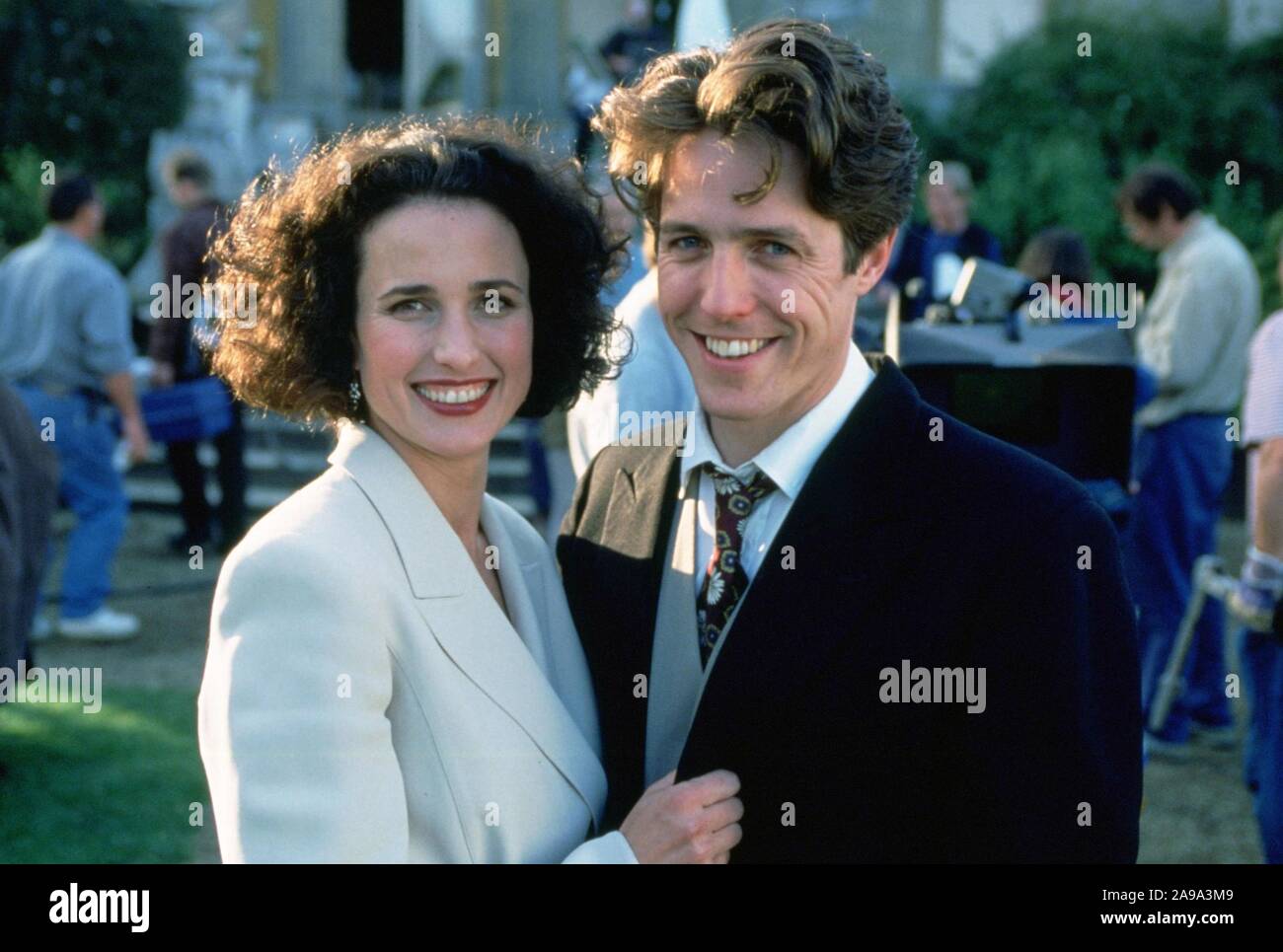
For many viewers, Four Weddings and a Funeral serves as the definitive template for the modern romantic comedy. Its blend of sharp, witty dialogue and poignant emotional beats resonated deeply with audiences in the mid-1990s. The film’s success is often attributed to the chemistry between Grant and his co-star, Andie MacDowell, alongside a stellar ensemble cast that captured the complexities of friendship and commitment.
Beyond its charm, the film is frequently cited for its contribution to British cultural exports. It was a significant commercial success, grossing over $245 million worldwide against a production budget of approximately $4.4 million, according to data from the The Numbers. This immense return on investment helped redefine the economic potential of independent films, proving that character-driven narratives could compete with major studio blockbusters.
Hugh Grant’s Breakout Moment
The role of Charles is widely considered the pivotal moment that transformed Hugh Grant from a working actor into a global household name. His portrayal of the bumbling, self-deprecating Englishman established an archetype that would define his career for the following decade. Critics and fans alike often point to his performance as the catalyst for the “Grant persona,” characterized by hesitant speech and charming vulnerability.
In an era where action-heavy films dominated the box office, the success of Four Weddings and a Funeral signaled a shift in audience preferences. It proved that there was a massive, untapped appetite for stories that leaned into the nuances of human relationships, heartbreak, and humor. This influence is still observed in contemporary rom-com writing, which frequently references the film’s structure and tonal balance.
Community Perspectives and Enduring Appeal
Discussions regarding the film in online forums and community hubs often highlight its “rewatchability.” Despite being over three decades old, the film is frequently described by modern audiences as a “comfort watch.” This enduring appeal is bolstered by its sharp script, which avoids the saccharine tropes that often plague the genre, opting instead for a more grounded, albeit stylized, look at love and loss.
The film’s soundtrack, featuring the iconic “Love Is All Around” by Wet Wet Wet, also played a significant role in its cultural footprint. The song spent 15 weeks at number one on the UK Singles Chart, as documented by the Official Charts Company, creating a cultural phenomenon that extended far beyond the cinema screen.
Key Takeaways on the Legacy of Four Weddings and a Funeral
- Commercial Impact: The film set a new standard for independent film profitability, grossing hundreds of millions globally.
- Genre Evolution: It successfully blended comedy and tragedy, influencing the tone of subsequent romantic comedies for years.
- Star Power: It remains the primary vehicle that established Hugh Grant as a leading man in Hollywood.
- Cultural Resonance: The film’s themes regarding the evolution of adult friendships continue to be cited as relatable to diverse generations of viewers.
Reflecting on the Film’s Future
As we look back on the film’s history, Four Weddings and a Funeral occupies a unique space in film studies and public memory. It represents a moment when British comedy found a universal language that resonated with viewers from Los Angeles to London. While the film industry has shifted toward digital distribution and streaming, the classic appeal of this story remains unchanged.
For those interested in the ongoing critical discourse, archives of film reviews and retrospectives are available through the British Film Institute (BFI), which maintains comprehensive records on the production and reception of this British classic. Whether you are a long-time fan or a first-time viewer, the film continues to offer a masterclass in screenwriting and ensemble performance.
We invite our readers to share their thoughts on the film. How has your perspective on Four Weddings and a Funeral changed since your first viewing? Join the conversation in the comments section below and let us know your favorite scene or character moment.
- Gyeongbuk Empowers Young Entrepreneurs with Access to Major E-commerce Platforms
- Who Are McFly? Meet the Members of the Iconic British Band
- Janel Grant Lawsuit Against Vince McMahon and WWE Officially Closed (newsdirectory3.com)
- Thea Energy Wins $20M DOE Grant to Scale Fusion Magnet Manufacturing (archynewsy.com)