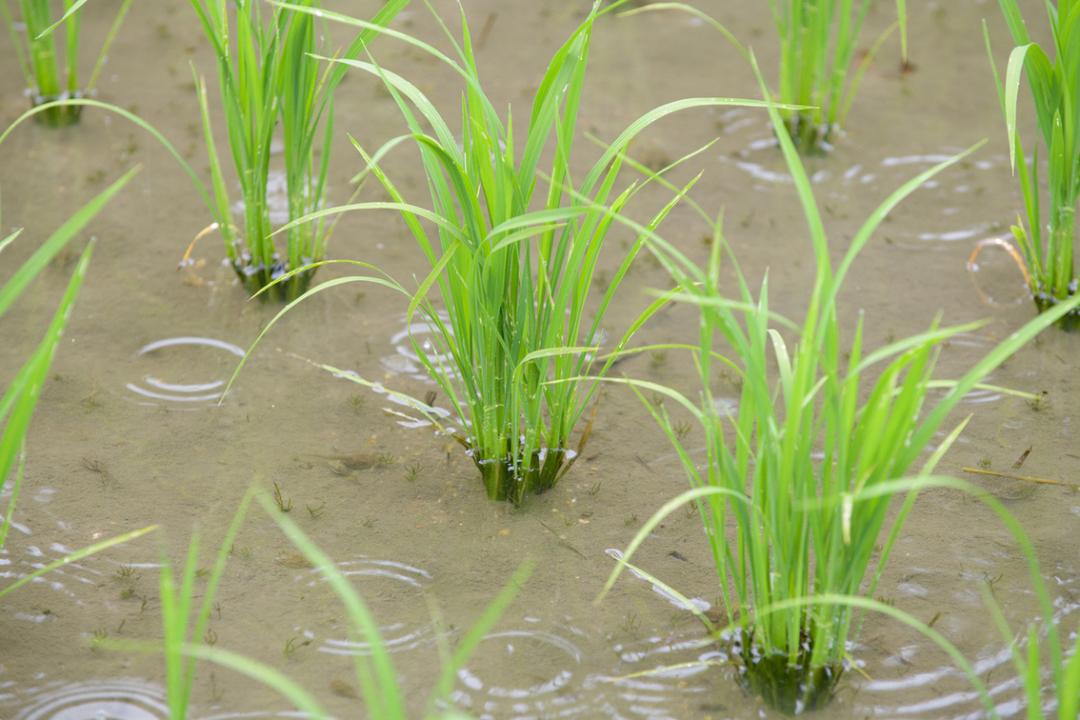
Plant seeds can perceive the sound of rainfall and react by accelerating their germination rate by up to 40%, according to recent biological research examining how plant biology interacts with environmental acoustics. Scientists studying acoustic signals in nature have discovered that specific sound frequencies mimic the mechanical vibrations of approaching storms, triggering rapid physiological responses in dormant flora long before physical moisture fully saturates the soil.
This remarkable sensory adaptation allows vegetation to maximize survival rates in arid and semi-arid environments where water is scarce and fleeting. By detecting acoustic cues through specialized mechanoreceptors, seeds prepare their cellular machinery for growth ahead of time, ensuring they capitalize instantly on precipitation events.
How Acoustic Cues Trigger Rapid Seed Germination
For decades, botanists understood that moisture and temperature served as the primary triggers for breaking seed dormancy. However, recent laboratory experiments reveal that acoustic waves generated by raindrops striking the ground act as an early warning system. Researchers monitoring germination cycles observed that when seeds are exposed to audio frequencies matching the sound spectrum of rain—typically ranging between 100 and 500 hertz—metabolic activity spikes significantly.
This auditory perception relies on mechanosensitive ion channels located within the outer cell layers of the seed coat. When sound waves ripple through the surrounding soil particles, these microscopic cellular gates open, initiating a cascade of biochemical signals. As a result, water uptake accelerates, enzymatic processes break down stored starches faster, and root emergence happens up to 40% more quickly than in quiet control environments.
Ecological Implications for Arid and Semi-Arid Ecosystems
In dryland ecosystems, timing is everything. A light, brief shower might dampen only the surface soil, causing vulnerable seedlings to sprout prematurely without enough sustained moisture to complete their life cycle. By evolving the capacity to interpret specific acoustic signatures of heavy or sustained rainfall, plants filter out false alarms.
Ecologists note that this acoustic sensitivity helps species adapt to erratic climate patterns. When a storm approaches, the low-frequency rumble travels through the earth faster than water can percolate downward. Seeds that tune into these environmental soundtracks gain a distinct evolutionary advantage over those relying solely on chemical saturation.
Future Directions in Agricultural Technology
Agronomists and agricultural engineers are now exploring how to harness plant bioacoustics to improve crop yields in drought-prone regions. Field tests involving controlled acoustic stimulation aim to see if artificial sound application can prep seeds before planting, potentially reducing irrigation costs and improving crop resilience in unpredictable weather conditions.
As research into plant neurobiology and sensory ecology advances, scientists continue to map out the full spectrum of environmental sounds that influence flora development. Future studies will focus on isolating the exact frequencies that produce the strongest growth response across different staple crops, opening new pathways for sustainable farming.
Researchers plan to publish further findings on acoustic plant signaling during the upcoming international botanical symposiums scheduled for later this year. Share your thoughts on this discovery in the comments below, and join the discussion on the future of agricultural technology.
Worth a look