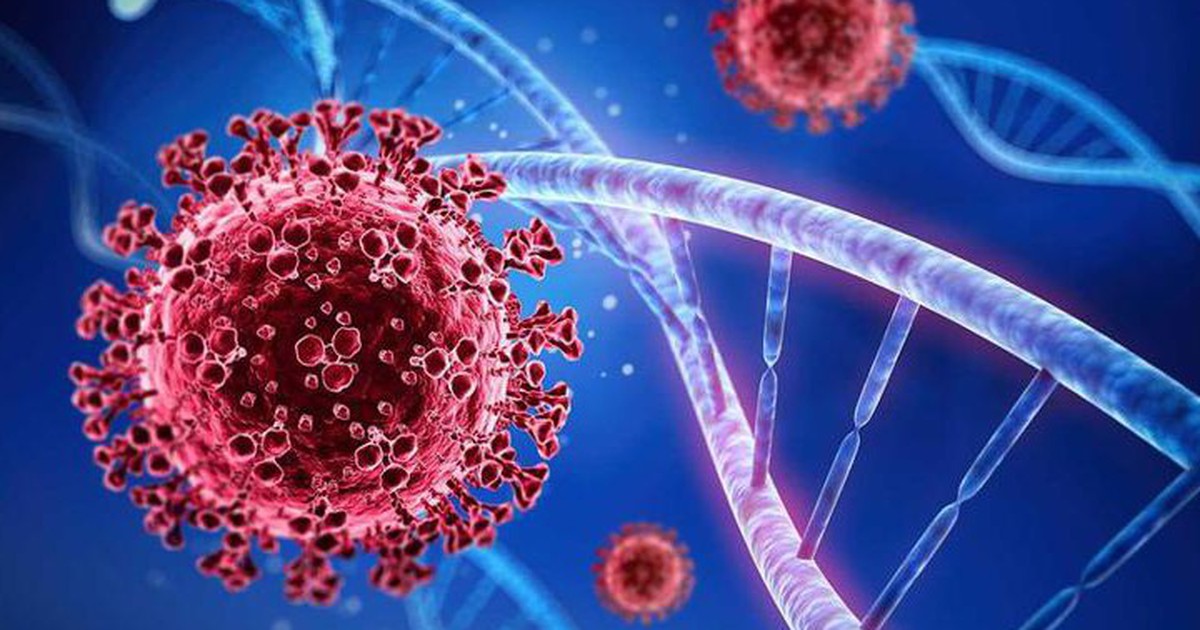
Vietnam’s Ministry of Health has officially updated its classification of infectious diseases, categorizing 15 specific illnesses under the “Group A” designation. This classification encompasses diseases that are highly dangerous, have the potential to spread rapidly, and pose a severe threat to public health, requiring immediate intervention from health authorities. According to the Vietnam Ministry of Health, this regulatory update is designed to streamline emergency responses and enhance the country’s capacity to manage outbreaks of emerging and re-emerging pathogens.
The Group A list includes a spectrum of viral and bacterial threats that range from well-known global concerns to rare but lethal infections. By maintaining this list, the Vietnamese government ensures that local health departments and hospitals operate under a standardized protocol for surveillance, reporting, and patient isolation. As a physician, I recognize that these legislative frameworks are essential for maintaining global health security, particularly as climate change and increased international travel continue to alter the transmission dynamics of infectious disease.
Understanding the Pathogens Designated as Group A
The Ministry of Health’s designation includes diseases that meet the criteria of high transmissibility and high mortality rates. Among the 15 diseases identified are several that have historically triggered international public health emergencies. Notable inclusions on the list are:

- Nipah virus disease: A zoonotic virus that can cause severe respiratory illness and fatal encephalitis in humans, often transmitted via fruit bats or contaminated food products, as noted by the World Health Organization.
- West Nile virus infection: A mosquito-borne flavivirus that primarily affects the nervous system, potentially leading to neuroinvasive disease.
- Yellow fever: A viral hemorrhagic disease endemic to parts of Africa and South America, preventable through vaccination but dangerous in unvaccinated populations.
- Severe Acute Respiratory Syndrome (SARS): A viral respiratory disease caused by the SARS-associated coronavirus, which gained global prominence during the 2003 outbreak.
The classification serves as a legal trigger for mandatory reporting. Under the Law on Prevention and Control of Infectious Diseases in Vietnam, any suspected or confirmed case of a Group A disease must be reported to the health authorities within 24 hours. This requirement enables the rapid deployment of specialized medical teams to contain localized clusters before they escalate into wider community transmission.
Public Health Impact and Global Surveillance
The decision to formalize this list of 15 diseases is part of a broader commitment to the International Health Regulations (IHR) established by the World Health Organization. By aligning national policies with international standards, Vietnam aims to improve its early warning systems. The inclusion of diseases like SARS and Nipah highlights a strategic focus on “One Health”—a collaborative approach that recognizes the interconnectedness of human, animal, and environmental health.
For the average citizen, this classification does not imply an immediate threat but rather a heightened state of readiness. The Ministry of Health utilizes these designations to allocate resources, such as diagnostic reagents, personal protective equipment (PPE), and specialized treatment facilities. In my professional experience at Charité, I have seen how such clear-cut regulatory definitions allow hospital systems to pivot quickly during an outbreak, ensuring that clinicians are not guessing at protocols when minutes count.
Next Steps for Healthcare Providers
Following the ministry’s announcement, regional health centers are expected to conduct updated training for frontline staff regarding the diagnosis and management of these 15 pathogens. The Ministry of Health has signaled that it will continue to monitor global epidemiological trends to update the list as necessary. The next phase of this implementation involves the integration of electronic reporting systems to ensure that data flows from rural clinics to national health databases in real-time.

Public awareness campaigns are also expected to emphasize the importance of vaccination for preventable diseases on the list, such as yellow fever, and vector control measures for mosquito-borne illnesses. For those interested in tracking the latest health advisories, the official portal of the Vietnam Ministry of Health remains the primary source for verified data and safety guidance. If you have questions about how these regulations impact local travel or public health safety in your region, please share your thoughts or concerns in the comments below.