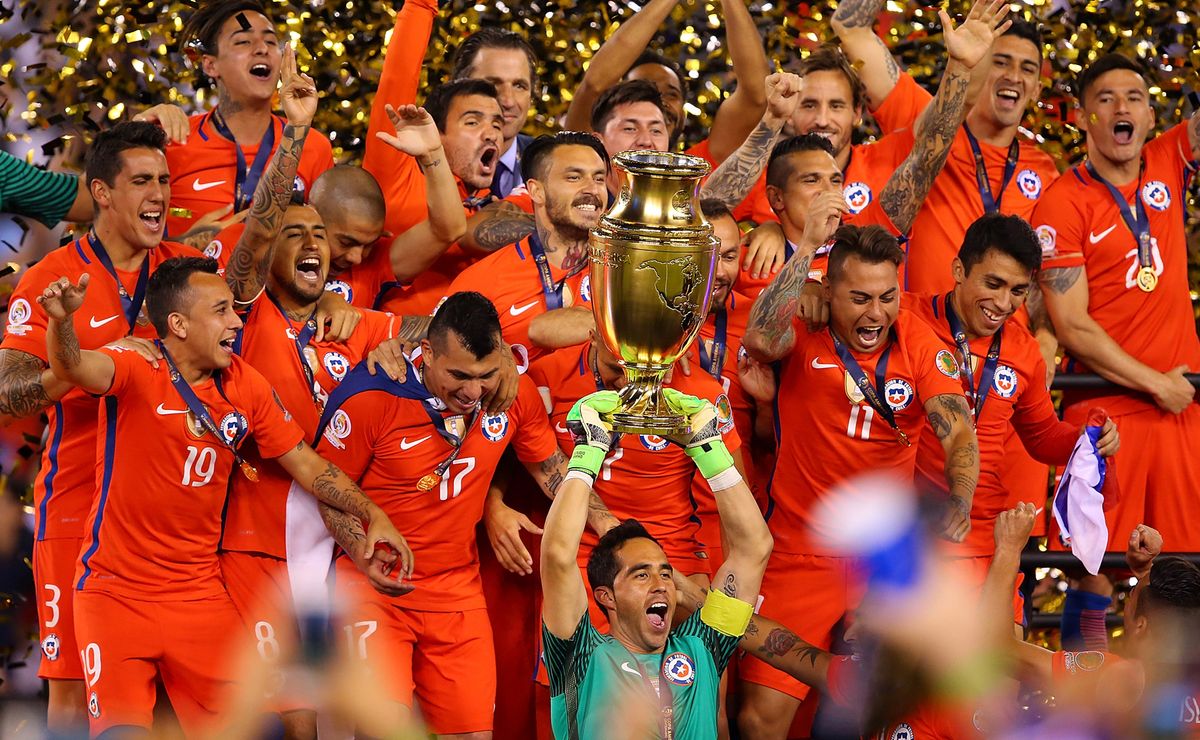
The 2026 FIFA World Cup, set to be hosted jointly by Canada, Mexico, and the United States, has begun to generate significant engagement from global financial institutions looking to capitalize on the tournament’s massive reach. As part of these promotional efforts, Banco de Chile has launched a campaign allowing customers to participate in World Cup-related activations by using their Visa credit cards. According to official bank communications, the promotion requires users to register and select their predicted tournament champion, with qualifying transactions starting at $3,000 CLP.
This initiative reflects a broader trend of financial services providers leveraging major international sporting events to drive consumer spending and loyalty program engagement. By tying credit card usage to the FIFA World Cup, banks aim to increase transaction volumes while offering customers access to exclusive rewards or experiences associated with the sport. The 2026 tournament is notable for its expanded format, which will feature 48 teams—an increase from the 32-team format used in previous cycles—as confirmed by FIFA’s official tournament documentation. This expansion is expected to result in a total of 104 matches, significantly increasing the duration and commercial footprint of the event compared to the 2022 Qatar World Cup.
Participation Mechanics and Financial Integration
For customers participating in the Banco de Chile promotion, the mechanism involves both digital registration and active credit card usage. The bank specifies that the campaign is linked to Visa-branded credit cards. Participants must register their intent through the bank’s official channels and make a selection regarding the tournament’s eventual winner. The threshold for participation is a minimum transaction amount of $3,000 CLP per purchase, according to the bank’s promotional guidelines. This entry-level requirement is designed to be accessible to a wide base of retail banking customers.

Financial institutions often utilize these structured incentives to influence consumer behavior during high-profile events. By requiring a specific transaction value, the bank ensures a baseline of activity that contributes to total credit card processing volumes. Such campaigns are common in the Chilean market, where banks frequently partner with international payment networks like Visa to provide exclusive benefits. According to the Financial Market Commission (CMF), which regulates the Chilean banking sector, all promotional campaigns must adhere to strict transparency requirements regarding terms, conditions, and the handling of customer data.
The Economic Impact of the 2026 World Cup
The 2026 World Cup is projected to have a substantial economic impact on the host nations, with FIFA estimating that the tournament will generate billions in revenue through broadcasting rights, sponsorship deals, and ticket sales. Beyond the immediate host countries, the tournament serves as a global marketing platform for financial services. As reported by the World Bank, major sporting events often serve as catalysts for infrastructure development and increased tourism spending, though the long-term economic benefits remain a subject of debate among economists.

For a regional bank like Banco de Chile, the strategy is to align its brand with the global visibility of the World Cup. By offering incentives to cardholders, the institution is essentially subsidizing consumer engagement in exchange for increased brand affinity and transaction processing fees. This “gamification” of financial services allows the bank to maintain a competitive edge in a digital-first market where consumers are increasingly looking for value-added services beyond standard banking products.
Understanding the Regulatory Framework for Promotions
In Chile, promotional contests and sweepstakes are subject to the Law on Consumer Protection (Ley 19.496). This legislation mandates that all terms and conditions of a promotion must be clearly stated to the consumer before they participate. This includes the duration of the campaign, the specific criteria for winning, and how prizes are awarded. The National Consumer Service (SERNAC) serves as the primary watchdog, ensuring that institutions do not engage in misleading advertising or unfair contract terms.
Customers interested in participating should regularly check the bank’s official website for updates on the promotion’s status and any changes to the terms of service. It is essential for participants to verify that their specific credit card type is eligible, as institutional promotions often have exclusions for certain card tiers or account types. Furthermore, consumers should be aware of the security risks associated with digital promotions; it is recommended to only access contest registration pages through verified, official bank domains rather than third-party links.
What Happens Next
The tournament is scheduled to take place across 16 host cities in North America, with the final match set for July 19, 2026, at MetLife Stadium in New Jersey, as announced by FIFA officials. For those participating in bank-led promotions, the next checkpoint involves the verification of entries following the conclusion of the tournament’s group stages, when the field of potential “champions” narrows significantly. Customers are encouraged to monitor their email and the bank’s mobile app for notifications regarding the progress of their predictions.

As the countdown to the 2026 kickoff continues, further promotions and financial products linked to the tournament are expected to emerge. These initiatives will likely continue to focus on digital engagement and card-based rewards, reflecting the ongoing digitization of the retail banking experience. Readers interested in following the financial developments surrounding the 2026 World Cup are encouraged to share their thoughts or ask questions in the comments section below, as we continue to track how global events influence local market trends.