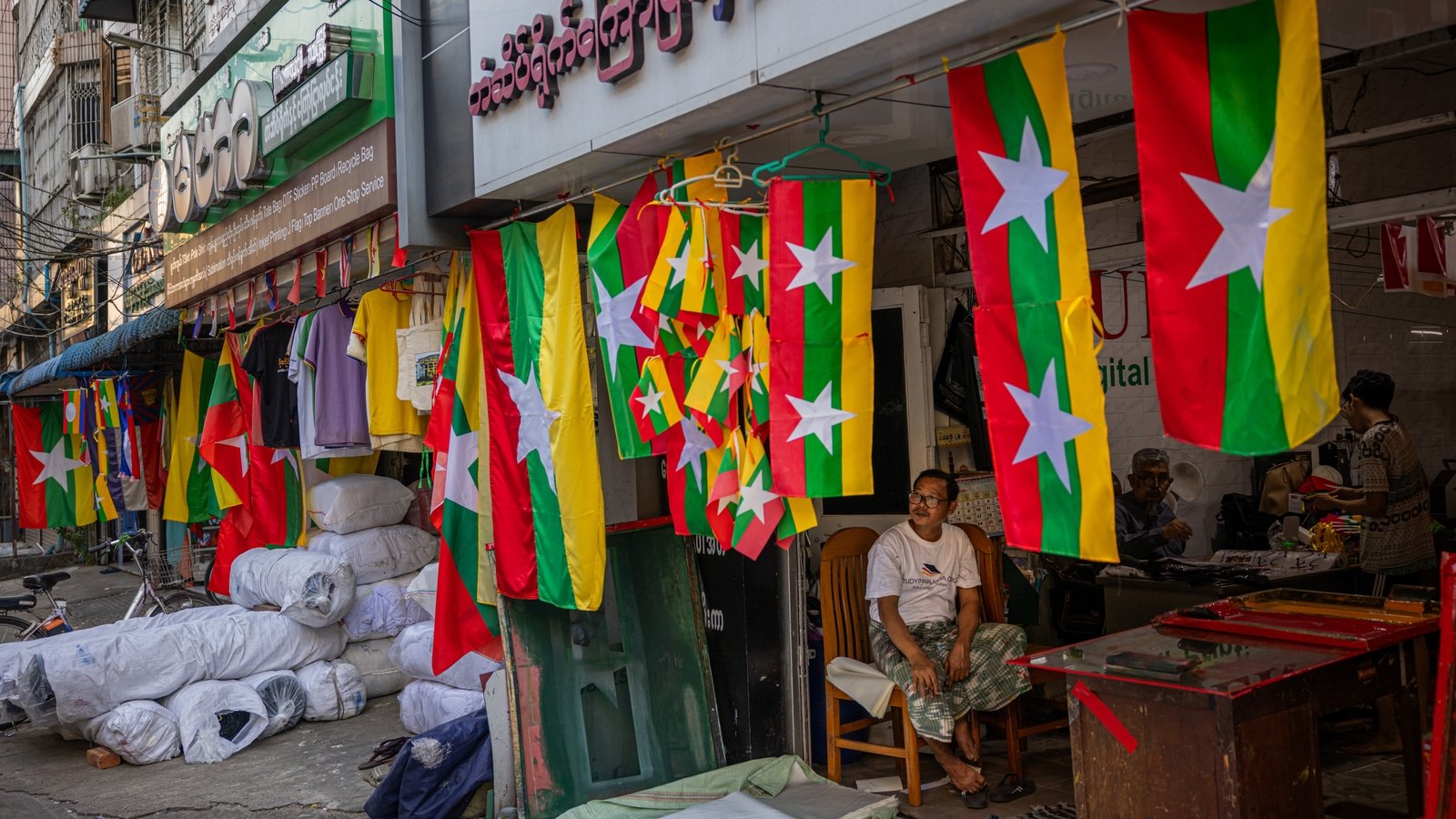
Myanmar’s Shadow Election: A Nation Gripped by Crisis and Facing a Bleak Future
Myanmar is poised to hold a general election on November 2nd, 2024, under the shadow of military rule and a deepening humanitarian catastrophe. While the junta insists the polls represent a pathway back to normalcy, widespread fear, coercion, and a brutal civil war cast a long shadow over the process. This article provides a comprehensive overview of the situation, examining the political context, the dire humanitarian crisis, and the fragile state of Myanmar’s economy. We will delve into the complexities facing the nation, drawing on UN reports, World Bank assessments, and on-the-ground accounts to provide a nuanced and authoritative analysis.
A Contested Election Under Duress
The election is being held under a framework established by the tatmadaw, Myanmar’s military, following the February 2021 coup that ousted the democratically elected government led by Aung San Suu kyi. The junta has established new political parties and regulations, effectively barring the National League for Democracy (NLD), Suu Kyi’s party, from participating.
The legitimacy of the election is widely questioned both domestically and internationally. Many view it as a thinly veiled attempt by the military to consolidate power, rather than a genuine transition towards civilian rule. the junta claims the election is free from coercion, a claim demonstrably contradicted by reports of intimidation and restrictions on political activity.
The atmosphere of fear is palpable.A 34-year-old resident, speaking anonymously, revealed his family’s reluctance for him to vote, fearing potential inclusion in the Tatmadaw‘s 2024 conscription scheme. This fear is compounded by the risk of arrest for simply not voting,highlighting the coercive environment surrounding the polls.
State-run media, like the Global New Light of Myanmar, attempts to frame the election as a positive step, arguing that it represents an “exit strategy” from the state of emergency. Though, this narrative fails to address the basic concerns about fairness, inclusivity, and the military’s continued dominance. Judging the election by “Western standards,” as the state media suggests is inappropriate, ignores universal principles of democratic governance and free and fair elections.
A Humanitarian Crisis of Epic Proportions
Beyond the political turmoil, Myanmar is facing a humanitarian crisis of staggering scale. Driven by the intensifying civil war and exacerbated by natural disasters like the recent earthquake in March, the situation is among the most severe in Asia.
The junta’s deliberate suppression of data regarding the food crisis has hindered aid efforts. Researchers have faced pressure to withhold data on hunger, and aid workers have been restricted from publishing critical findings.This lack of transparency has significantly hampered the ability to respond effectively to the growing needs.
Key statistics paint a grim picture:
* Aid Funding Gap: Only 12% of the required funds for humanitarian assistance have been received, leaving the UN severely under-resourced. US cuts to aid are further compounding the crisis.
* Population in Need: An estimated 20 million of Myanmar’s 51 million people require humanitarian assistance.
* Poverty: Soaring inflation and a collapsing currency have pushed roughly half the population below the poverty line.
* Displacement: Over 3.6 million people have been displaced from their homes due to the conflict.
* Civilian Casualties: The UN estimates over 6,800 civilians have been killed since the coup.
* Food Insecurity: More than 16 million people are acutely food insecure, making Myanmar the fifth-largest group needing aid globally – designated a “hunger hotspot of vrey high concern” by the World Food Program (WFP).
* Malnutrition: Over 540,000 children are projected to suffer from acute malnutrition this year, a 26% increase from the previous year. One in three children under five already suffers from stunted growth.
These figures represent not just statistics, but the suffering of millions of individuals and families struggling to survive.The ongoing conflict disrupts agricultural production, restricts access to markets, and impedes the delivery of essential aid.
Economic Fallout and Emerging Trends
Myanmar’s economy, once considered a rising star in the region, has been devastated by the coup, civil war, and natural disasters.However, recent data suggests a glimmer of hope, with the World Bank projecting GDP growth to rebound to 3% in the next fiscal year.
This projected growth is largely attributed to post-earthquake reconstruction efforts and targeted aid to the hardest-
Related reading