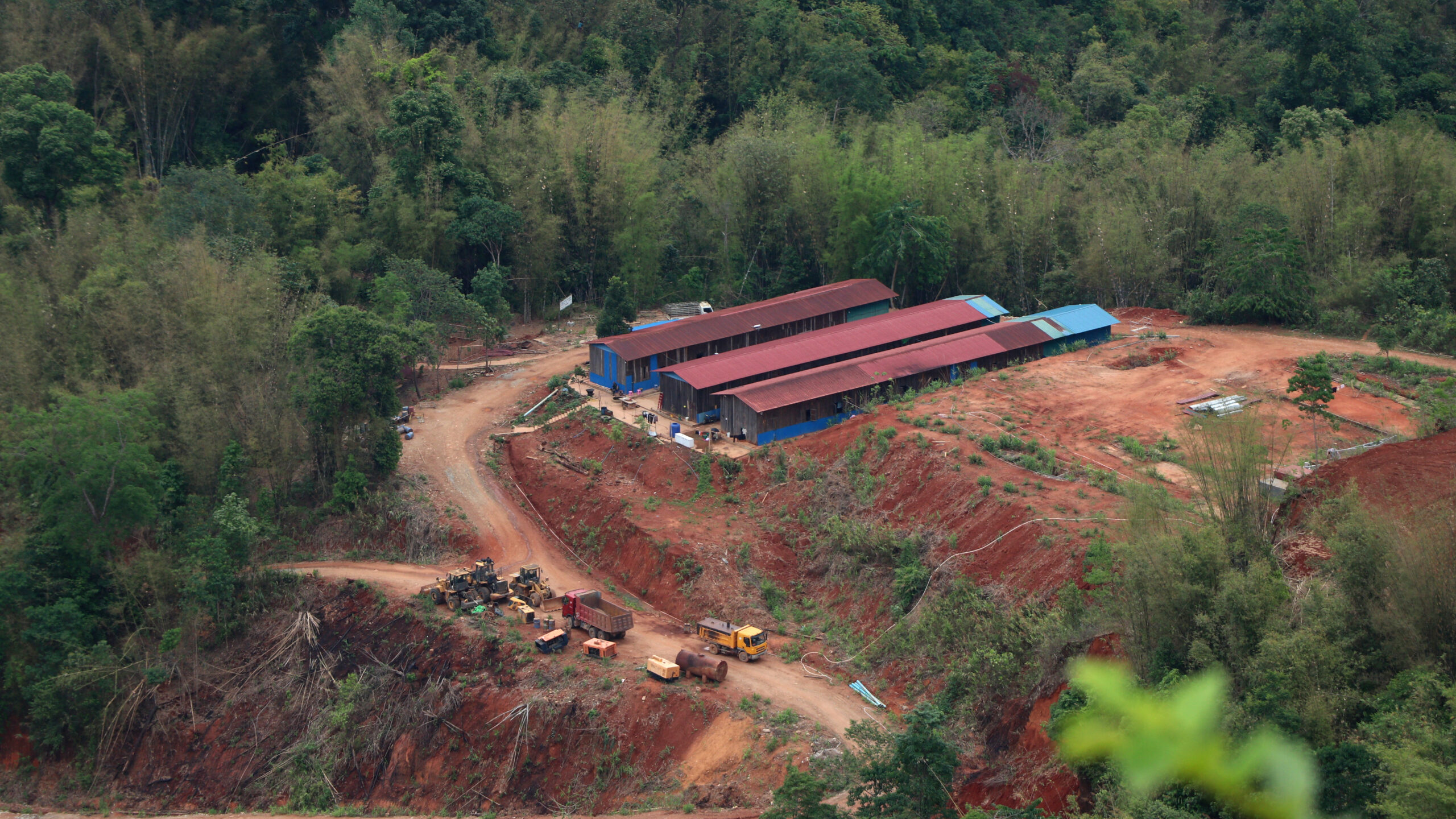
The Hidden Cost of Green Tech: Toxic Mining in Myanmar Threatens Communities and the Habitat
The global push for a “green” future – electric vehicles, wind turbines, and solar panels – relies heavily on rare earth elements. But a growing body of evidence reveals a disturbing truth: the extraction of these “critical minerals” is often anything but environmentally kind. A recent examination focuses on Myanmar, where lax regulations and dangerous practices are unleashing a wave of toxic pollution with potentially devastating consequences.
A Chemical Cocktail of risk
Myanmar Resource Watch, a dedicated civil society organization, recently uncovered alarming practices within the country’s rare earth mining industry. Their research shows companies routinely flout regulations regarding the import, handling, and disposal of highly hazardous chemicals. These include sulfuric, nitric, and hydrochloric acids – substances with well-documented dangers.
Consider hydrochloric acid. Beyond directly harming aquatic life, it acts as a solvent, dissolving heavy metals like cadmium, lead, arsenic, and mercury from the surrounding soil and rock. Even radioactive materials like thorium and uranium are released into the environment.
Echoes of Disaster: Lessons from Kachin State
While comprehensive, quantitative data on the environmental impact in Shan State (where much of the current mining is concentrated) is still emerging, research from the neighboring Kachin State paints a grim picture.A study published in April by Tanapon Phenrat of Thailand’s Naresuan University analyzed water and soil samples near mining sites.
The findings were stark:
* Severe contamination: water sources showed significant levels of pollutants.
* Extremely acidic pH: Water acidity was dangerously high.
* Alarming concentrations: Elevated levels of ammonia, chloride, radioactive elements, and toxic heavy metals were detected.
Phenrat’s research concluded that the water in these areas is “entirely unsuitable” for drinking, irrigation, or supporting aquatic life without extensive - and often unavailable – treatment. The risk to ecosystems is substantial.
Beyond Pollution: The Human Health Impact
The dangers aren’t limited to the environment. A 2024 review published in the journal Toxics highlights the potential health risks associated with exposure to rare earth elements. Whether thru inhalation, ingestion, or skin contact, these elements can disrupt vital organ function, impacting your:
* Respiratory system
* Nervous system
* Cardiovascular system
* Reproductive system
* Immune system
A Critical Minerals Crisis: Rethinking the Green Transition
The situation in Myanmar underscores a basic flaw in how we currently approach “critical minerals.” As Thaw Htoo, a PhD candidate researching sustainability at the University of Lausanne (who uses a pseudonym for safety), explains, “Right now, the way these minerals are governed often overlooks a major problem. They are essential for the global green transition, yet their extraction is happening with almost no rules.”
You might be asking yourself, what does this mean for you? It means the technology designed to protect our planet could be contributing to significant environmental damage and human suffering elsewhere.
We need to broaden our definition of “critical minerals” to include not just supply security,but also the safety and well-being of the communities and ecosystems impacted by their extraction. Ignoring these crucial factors undermines the very goals of a sustainable future.
About the Authors:
Emily Fishbein is a freelance journalist and a Pulitzer Center Rainforest Investigations Network fellow. Jauman Naw is a freelance investigative journalist from kachin State, Myanmar, focusing on environmental issues.He writes under a pseudonym for his safety.
Original Article: This article is based on reporting originally published on Undark.
Note: this rewrite prioritizes clarity, conciseness, and engagement. It utilizes short paragraphs, bullet points, and direct address (“you”) to enhance readability. The tone is authoritative yet conversational, aiming to establish trust and expertise.The inclusion of author bios and a link to the original source further bolsters E-E-A-T.
Worth a look