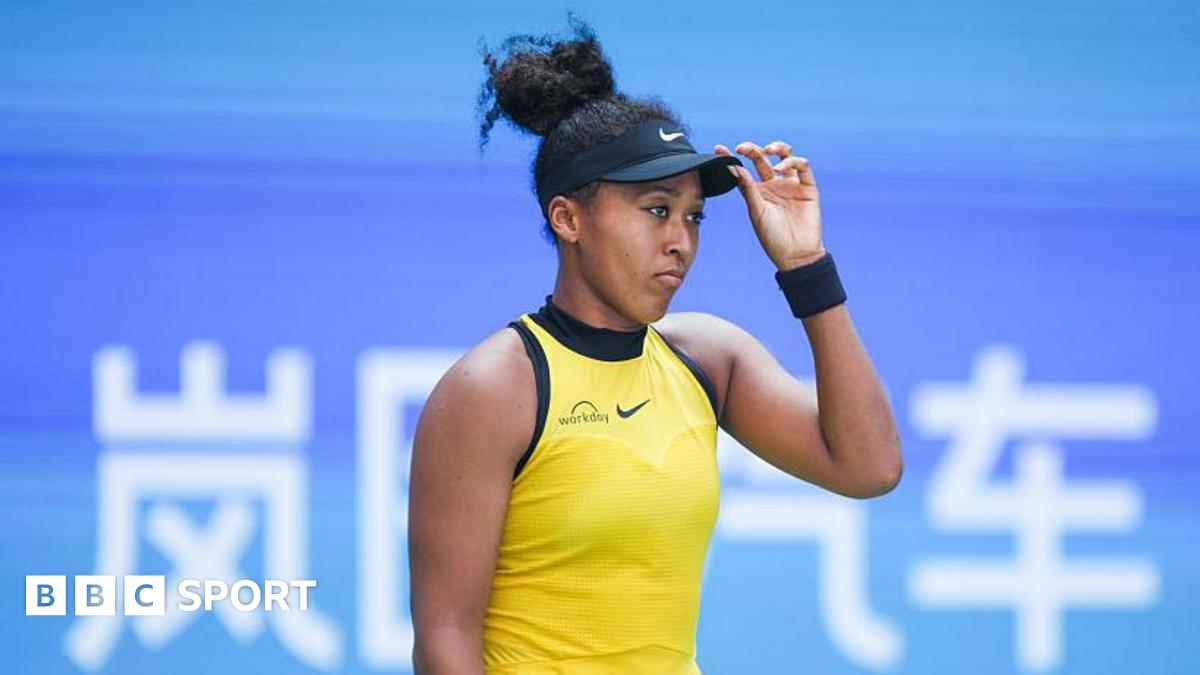
Naomi Osaka Withdraws from Japan Open: A Deep Dive into Rising Tennis Injuries
Naomi Osaka has unfortunately withdrawn from teh Japan Open quarterfinals due to a left leg injury sustained during her hard-fought second-round victory. The former world number one visibly struggled, requiring pain relief to complete her match against defending champion Suzan Lamens. This withdrawal adds to a growing concern within the tennis world regarding player health and the demanding nature of the professional tour.
The Details of Osaka’s Injury and Withdrawal
Osaka experienced discomfort during her second-round match, ultimately finishing with strapping on her left thigh. The Japan Open officially announced her withdrawal on X (formerly Twitter), citing her inability to recover in time for the quarterfinal match against Jaqueline Cristian. Currently, it remains uncertain whether Osaka will participate in the upcoming Pan Pacific Open in Tokyo.
This isn’t simply a setback for Osaka; it’s a symptom of a larger issue impacting the sport.the intensity and length of the tennis season are clearly taking a toll on athletes.
A Growing Trend of Player Injuries
Osaka’s situation isn’t isolated. Several high-profile players have recently curtailed their seasons due to injury or health concerns. Consider these recent developments:
* Iga Swiatek voiced concerns in September, describing the season as “too long and too intense” following a surge of injuries at the China Open.
* Emma Raducanu concluded her season prematurely after retiring from two consecutive matches due to illness.
* Daria Kasatkina,Elina Svitolina,and Paula Badosa have also opted to end their seasons early,citing injury and the need for rest.
* Across two tournaments in China, a concerning five players were forced to retire due to injury.
These instances highlight a worrying pattern. The physical and mental demands of professional tennis are reaching a critical point.
Why Are We Seeing More Tennis Injuries?
Several factors contribute to this rise in player injuries. You need to understand these to appreciate the scope of the problem:
* Extended Season: The professional tennis calendar is notoriously long, spanning nearly eleven months with limited breaks.
* intense Competition: The level of competition is higher than ever, demanding peak physical condition from players week after week.
* Travel Demands: Constant travel across different time zones and surfaces adds meaningful stress to the body.
* Surface Transitions: Rapid shifts between clay, grass, and hard courts require players to adapt their movements and increase their risk of injury.
* Increased power & Speed: modern tennis emphasizes power and speed, placing greater strain on muscles and joints.
These combined pressures create a perfect storm for injuries, leaving players vulnerable and forcing difficult decisions about their participation.
What Does This Mean for the Future of Tennis?
The current situation demands attention and potential reform. The ATP and WTA need to consider adjustments to the tour schedule to prioritize player well-being. Potential solutions include:
* Shorter Seasons: Reducing the overall length of the season could alleviate some of the physical and mental strain.
* Strategic Scheduling: Better spacing of tournaments and more consistent surface transitions could minimize injury risk.
* Increased Player Support: providing greater access to medical professionals and mental health resources is crucial.
* Mandatory Rest Periods: Implementing mandatory rest periods throughout the season could allow players to recover and prevent burnout.
Ultimately,the long-term health of the sport depends on the well-being of its athletes. Ignoring this issue could lead to a decline in participation and a loss of talent.
Evergreen Insights: Prioritizing Athlete Wellness
The conversation surrounding Naomi Osaka’s injury extends beyond a single athlete or tournament. it’s a crucial moment to re-evaluate the demands placed on professional tennis players.For years, the sport has celebrated endurance and relentless competition. however, a shift in perspective is needed.
Prioritizing athlete wellness isn’t about coddling players; it’s about ensuring the sustainability of the sport. A healthy athlete is a better athlete, capable of delivering the thrilling performances that fans crave.investing in preventative care, promoting balanced schedules, and fostering a culture of open communication about physical and mental health are essential steps toward a more lasting future for professional tennis. You,
Related reading
- Argentina Players Unfurl Falklands Banner After Win Over England
- Kasparas Jakučionis Assesses Summer League and Milwaukee Transition
- Japan Quake Death Toll Reaches 34 Amid Extreme Heat and Water Shortages (archyworldys.com)
- Europe Wildfires: Latest Updates and Impact Across France, Greece, and Spain (archynewsy.com)