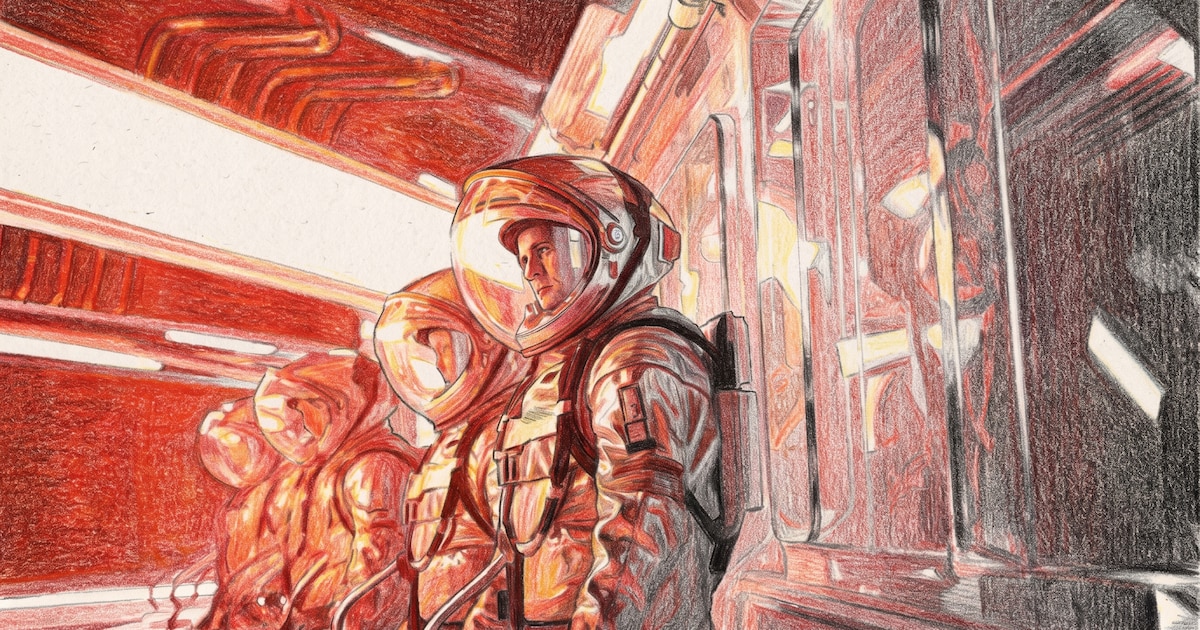
NASA is currently recruiting healthy, motivated U.S. citizens to participate in an upcoming analog mission designed to simulate the rigors of long-duration spaceflight to the Moon and Mars. The agency is seeking volunteers to live and work within a confined habitat at the Johnson Space Center in Houston, Texas, for a duration of one year, as part of the ongoing Crew Health and Performance Exploration Analog (CHAPEA) series.
These simulated missions are vital to the agency’s Artemis program, providing researchers with critical data regarding how isolation, confinement, and remote living environments affect human physiology and cognitive performance. According to the official NASA recruitment portal, the data gathered during these year-long deployments will help scientists develop the strategies and technologies necessary to sustain astronauts during future crewed missions to the Martian surface.
Who Can Apply for the CHAPEA Mission?
The selection process for the CHAPEA analog is rigorous, mirroring the standards required for professional astronauts. To be considered for the mission, applicants must meet several specific criteria, including physical and professional qualifications. According to NASA’s project requirements, candidates must be U.S. citizens or permanent residents between the ages of 30 and 55 who are in good physical health and free of dietary restrictions or motion sickness.
Professional requirements for the role include:

- A master’s degree in a STEM field—such as engineering, biological science, physical science, computer science, or mathematics—from an accredited institution.
- At least two years of professional experience in a STEM field or a minimum of pilot-in-command time on jet aircraft.
- Candidates who have completed two years of work toward a doctoral program in a STEM field, or who have completed a medical degree or a test pilot program, are also eligible to apply.
The agency emphasizes that these missions are designed to be as realistic as possible. Participants will be tasked with performing “Marswalks,” conducting scientific research, maintaining the habitat, and managing the psychological stresses associated with living in a small, isolated group for an extended period.
Living in the Mars Dune Alpha
The setting for these simulations is Mars Dune Alpha, a 3D-printed habitat located at the Johnson Space Center. The structure is designed to mimic the environmental challenges of a Martian base, including limited communication with the outside world, resource constraints, and the routine maintenance of life-support systems. According to the NASA mission overview, the habitat includes private crew quarters, a kitchen, dedicated areas for medical, recreation, fitness, and work activities, and a simulated “exterior” environment for spacewalks.

Because the mission is a high-fidelity simulation, participants must navigate the same challenges they would face on a real mission. This includes a 22-minute communication delay between the habitat and “Mission Control,” reflecting the time it takes for radio signals to travel between Earth and Mars. By isolating volunteers for 365 days, NASA aims to observe the long-term effects of high-stress living conditions on team cohesion and individual health.
Why These Simulations Matter
Analog missions serve as a testbed for the hardware and behavioral protocols that will eventually support human exploration of deep space. With the Moon-to-Mars strategy, NASA is moving beyond low-Earth orbit, necessitating a deeper understanding of human biology in extreme environments. As noted by the NASA Human Research Program, the insights gained from previous and upcoming CHAPEA missions directly inform how the agency will manage medical emergencies, nutrition, and daily operational schedules for future Martian explorers.
The agency has previously completed and is currently running iterations of these studies to collect diverse data sets. Because the environment is strictly controlled, researchers can introduce specific variables—such as equipment failures or simulated emergencies—to measure how a crew responds under pressure without putting actual astronauts in harm’s way.
How to Submit an Application
Interested individuals can find the formal application portal on the official NASA CHAPEA website. The agency periodically opens these windows for recruitment as they prepare for subsequent mission rotations. Applicants are required to provide a background check, and those selected for the final phases of the process will undergo medical evaluations and psychological screening.
While the mission is voluntary, participants are compensated for their time and contribution to the space program. Specific details regarding the stipend and legal agreements are provided to candidates during the formal interview process. For those interested in the future of space exploration, these simulations offer a unique opportunity to contribute to the success of the Artemis era from the ground level.
The agency continues to provide updates on mission milestones through its official news channels. For those who wish to stay informed, checking the NASA Newsroom for the latest mission announcements and application deadlines is recommended. Readers are invited to share their thoughts on the challenges of long-term space isolation in the comments section below.