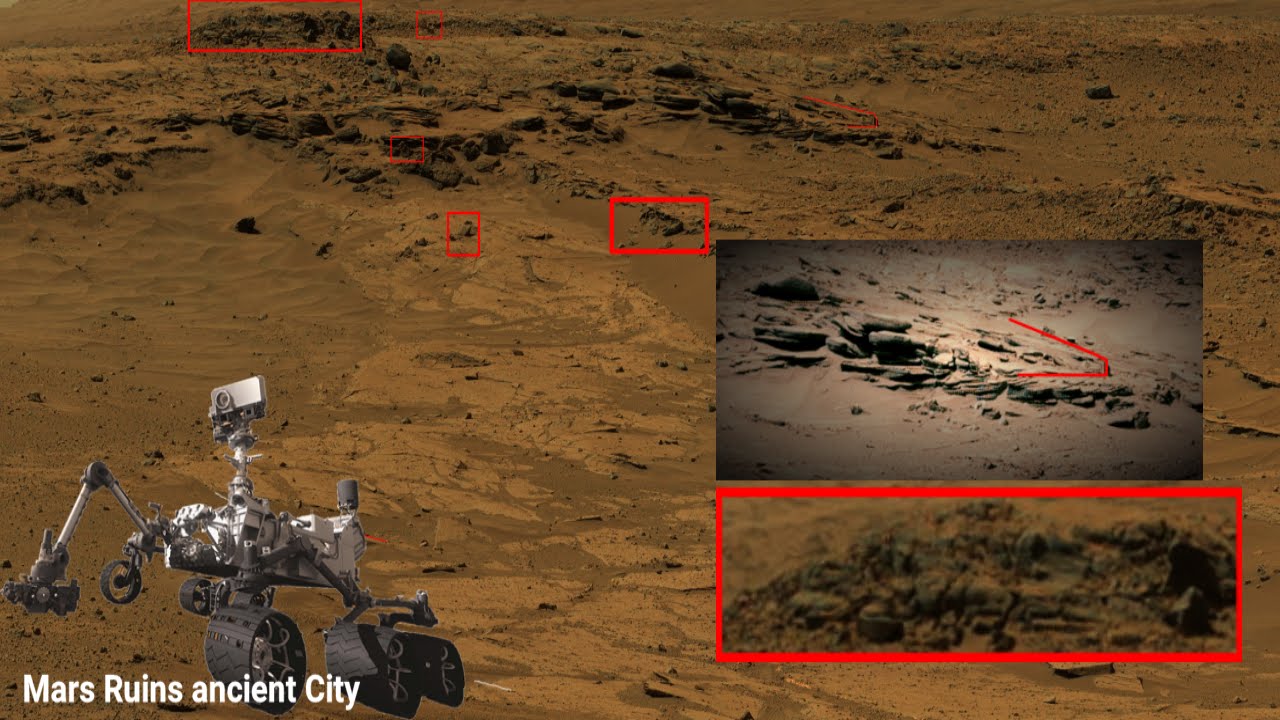
When the NASA Mars Reconnaissance Orbiter (MRO) captured high-resolution images of a peculiar geological formation in the planet’s southern polar region, the internet was quick to label it the “Inca City” of Mars. For space enthusiasts and casual observers alike, the striking, geometric ridges appear remarkably like the ruins of an ancient civilization. However, as we peel back the layers of planetary science, the truth reveals a story of volcanic activity and tectonic shifts that are far more fascinating—and scientifically significant—than any terrestrial architecture.
As a technology editor who has spent nearly a decade tracking both software innovation and the hardware we send to the stars, I often remind our readers that our human tendency to find patterns in the unknown—a phenomenon known as pareidolia—is our greatest strength in imagination, but our greatest challenge in scientific rigor. The so-called Inca City, officially known as Angustus Labyrinthus, is a prime example of how geological processes can mimic the hand of intelligent design.
The Mars Reconnaissance Orbiter, which has been operational since its arrival in 2006, serves as our primary eye in the sky. By utilizing the High Resolution Imaging Science Experiment (HiRISE) camera, scientists can map the Martian surface with unprecedented clarity. The images that sparked the recent public interest show a series of intersecting ridges that form near-perfect squares and hexagons, creating a grid-like pattern that bears a striking resemblance to the stone walls of Inca ruins in Peru.
The Geological Reality Behind the “Ruins”
Despite the viral claims suggesting a lost Martian civilization, the scientific community has reached a firm consensus regarding the formation of these structures. According to data provided by NASA’s Jet Propulsion Laboratory, the features are not built; they are carved by the planet’s own volatile history. The area is located near the edge of the south polar cap, a region defined by dramatic seasonal cycles of carbon dioxide ice sublimation.

The prevailing theory among planetary geologists is that these ridges are the result of ancient volcanic processes. Millions of years ago, molten rock or magma likely intruded into a fractured crust. As the subsurface cooled and solidified into dikes, the surrounding softer material eroded away over eons, leaving behind the hardened, grid-like walls we see today. This process of differential erosion is common on Earth, but the unique conditions on Mars—specifically the lack of plate tectonics and the extreme atmospheric shifts—allow these features to remain remarkably preserved.
the HiRISE team at the University of Arizona, which manages the camera responsible for these high-resolution captures, has categorized these features as part of a complex system of troughs and ridges. The “Inca City” is effectively a geological laboratory that helps researchers understand the thermal history of the Martian crust. By studying these ridges, scientists can infer the composition of the subsurface and the heat flow during Mars’ early, more active periods.
Pareidolia and the Digital Age
Why do we keep seeing “cities” and “faces” on Mars? From the infamous 1976 “Face on Mars” captured by Viking 1 to these recent geometric formations, our cognitive wiring is hard-coded to recognize structures that imply purpose. In the age of social media, these images are often stripped of their scientific context and repackaged as mysteries of an ancient, lost world.
As an editor, I find it vital to distinguish between sensationalist headlines and the genuine wonder of planetary discovery. The fact that Mars possesses natural formations that can mimic human engineering is not a disappointment; It’s a testament to the complexity of the solar system. When we look at the high-resolution images provided by the MRO, we aren’t looking at a failed civilization, but at a planet that has undergone massive, violent, and beautiful transformations that we are only just beginning to map.
For those interested in exploring the raw data, NASA maintains an extensive, publicly accessible archive of all MRO imagery. Engaging with these files provides a much clearer picture of the Martian landscape than any curated social media clip. You can view the latest findings and mission updates at the official NASA Mars Exploration website, which serves as the gold standard for verified mission data.
What Lies Ahead for Martian Exploration
The mission of the Mars Reconnaissance Orbiter continues to be a cornerstone of our understanding of the Red Planet. While the MRO is currently in its extended mission phase, its ability to provide high-fidelity orbital data remains critical for planning future robotic landings and potential human exploration. The data gathered from sites like Angustus Labyrinthus will inform where we send our next generation of rovers, such as those that might follow in the tracks of the Perseverance rover.
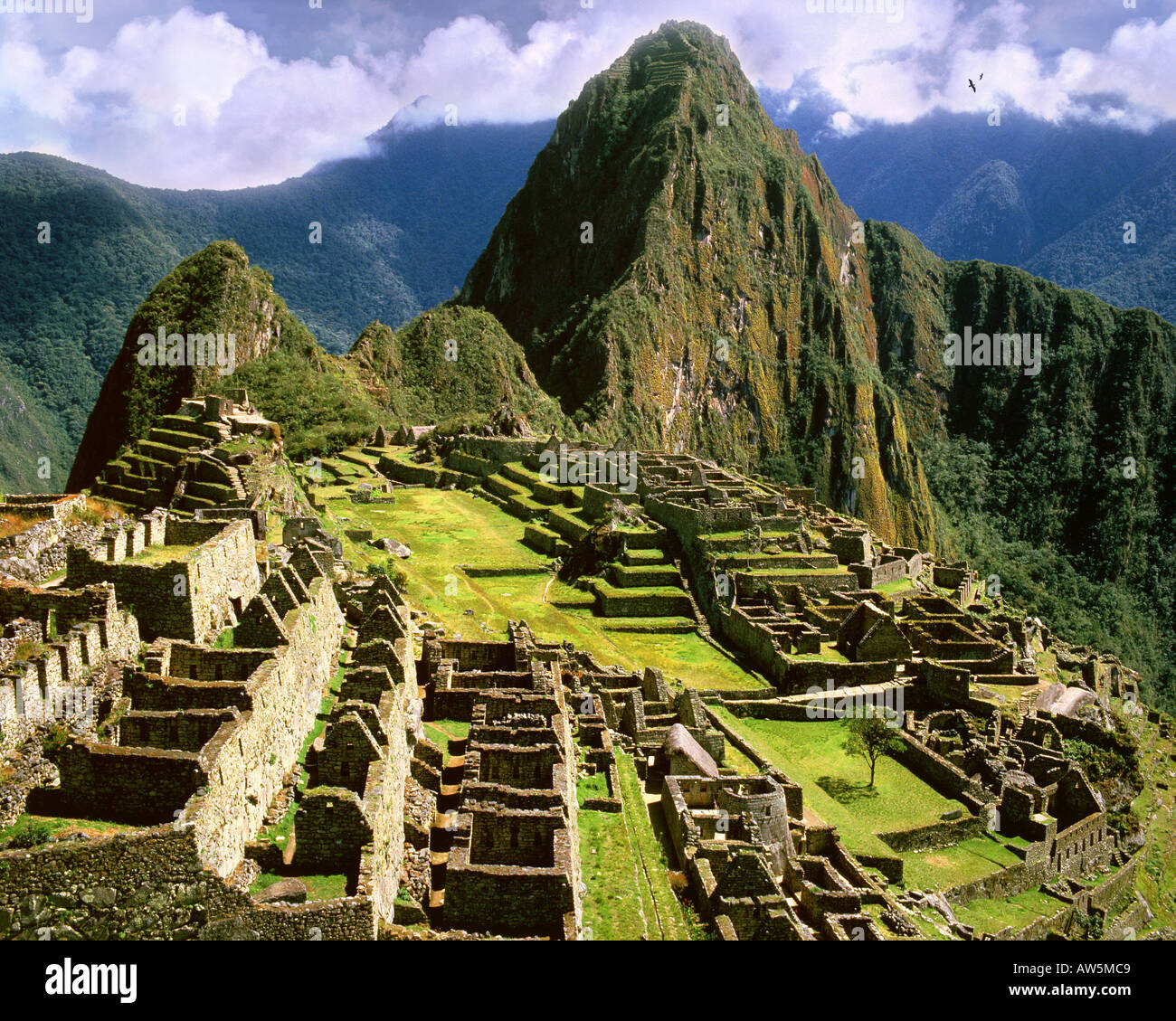
Looking forward, the next major milestone in Mars exploration involves the ongoing efforts to analyze the samples collected by the Perseverance rover, which are intended for future return to Earth. While the MRO focuses on global mapping and site characterization, the return of physical samples will allow us to test the chemical composition of the Martian crust in laboratories here on Earth, potentially confirming the volcanic origins of features like the Inca City with absolute certainty.
The mystery of the “Inca City” on Mars is, in many ways, a reminder of how far we have come in our ability to observe other worlds. We have transitioned from grainy, low-resolution photographs to seeing the Martian surface in such detail that we can debate the origins of individual rock formations. As we continue to push the boundaries of what is possible in space exploration, I encourage our readers to stay curious, remain skeptical of viral claims, and continue to follow the official data streams from our space agencies.
What are your thoughts on how we interpret these planetary anomalies? Do you find the geological explanation as awe-inspiring as the myth, or does the mystery hold more appeal? Share your perspective in the comments below, and don’t forget to follow our Tech section for more updates on the intersection of space exploration and cutting-edge data analysis.
Related reading