
Travelers navigating the Dutch road network this week should prepare for significant delays, as a combination of regional German holidays and seasonal traffic patterns creates a heightened risk of congestion. Dutch motoring organization ANWB has issued warnings regarding increased traffic volumes, particularly on major arterial routes leading toward the coast and throughout the province of Limburg.
The influx of holidaymakers from Germany, many of whom are taking advantage of the Pentecost (Pfingsten) holiday period, is expected to impact transit times significantly. As these travelers head toward popular coastal destinations and inland tourist regions, road users in the Netherlands are advised to check real-time traffic updates before commencing their journeys to avoid extended travel delays.
Understanding the Impact of Regional Holidays on Traffic
Traffic patterns in the Netherlands are frequently influenced by the holiday calendars of neighboring countries. Because the Pentecost holiday is a public holiday in Germany, it triggers a predictable movement of travelers across the border. Historically, this leads to a surge in cross-border traffic, with many visitors opting for the Dutch coast for extended weekend trips. The ANWB traffic center monitors these movements closely, utilizing data from road sensors and incident reports to provide up-to-date guidance for motorists.
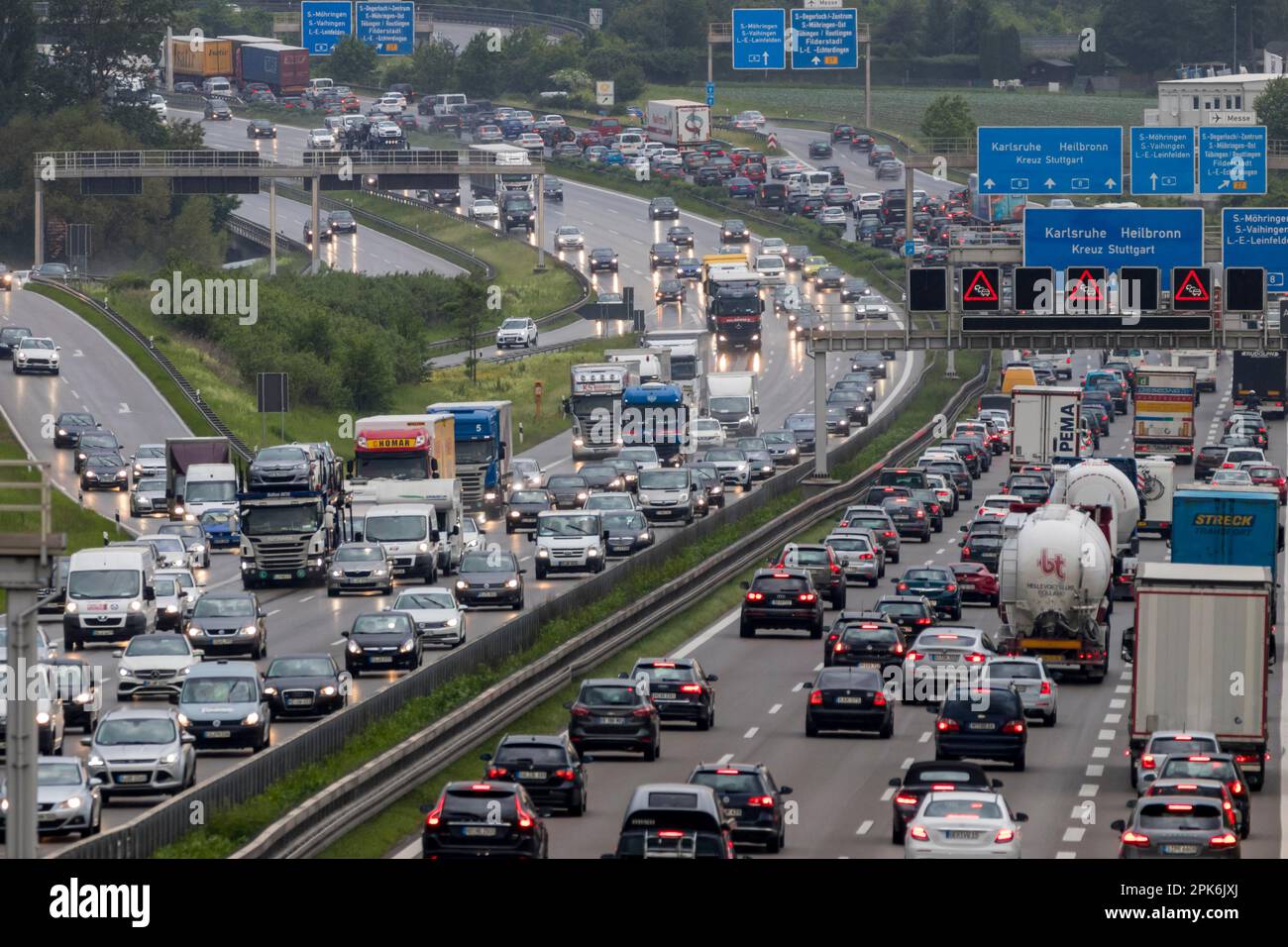
The primary concern for regional authorities is the concentration of vehicles on specific corridors. Roads connecting German border regions to the Dutch coast often experience “stop-and-go” traffic as volume exceeds the design capacity of these motorways. Motorists should anticipate that travel times on these routes may be longer than usual, particularly during peak departure and arrival windows.
High-Traffic Zones and Strategic Planning
The province of Limburg, due to its geographic proximity to the German border, is particularly susceptible to these traffic spikes. Major motorways such as the A67 and A73 often serve as primary transit routes for international travelers. According to official traffic monitoring updates provided by Rijkswaterstaat, the Dutch executive agency for infrastructure and water management, proactive traffic management is often implemented to mitigate the impact of such surges, though high volumes remain inevitable during peak holiday periods.

For those planning to travel, the following strategies can help minimize frustration:
- Consult Real-Time Data: Always check live traffic maps via the ANWB or Rijkswaterstaat websites before departing.
- Adjust Departure Times: If possible, avoid traveling during the late afternoon on the day before the holiday or the morning of the holiday itself, as these times typically see the highest concentration of vehicles.
- Monitor Local Advisories: Road works or temporary lane closures can exacerbate congestion; staying informed about local infrastructure status is essential.
Infrastructure and Future Outlook
The Dutch road network is designed to handle significant load, but the convergence of local commuters and international holiday traffic creates a unique stress test for the system. Infrastructure planners continue to evaluate the capacity of border-crossing motorways to address the recurring nature of these holiday-related traffic jams. While long-term infrastructure projects are ongoing, immediate relief for drivers relies largely on informed route planning and the distribution of traffic across different time windows.

As the holiday period progresses, authorities will continue to provide updates via electronic signage and digital channels. Drivers are encouraged to maintain a safe following distance and remain patient, as emergency services may also face delays in reaching incidents due to the increased volume of traffic.
For the latest developments regarding road conditions and potential delays, commuters should monitor the official ANWB traffic news portal. We will continue to provide updates as new information regarding road safety and traffic flow becomes available. If you have encountered significant delays or have information regarding local road conditions, please share your experiences in the comments section below.
Worth a look