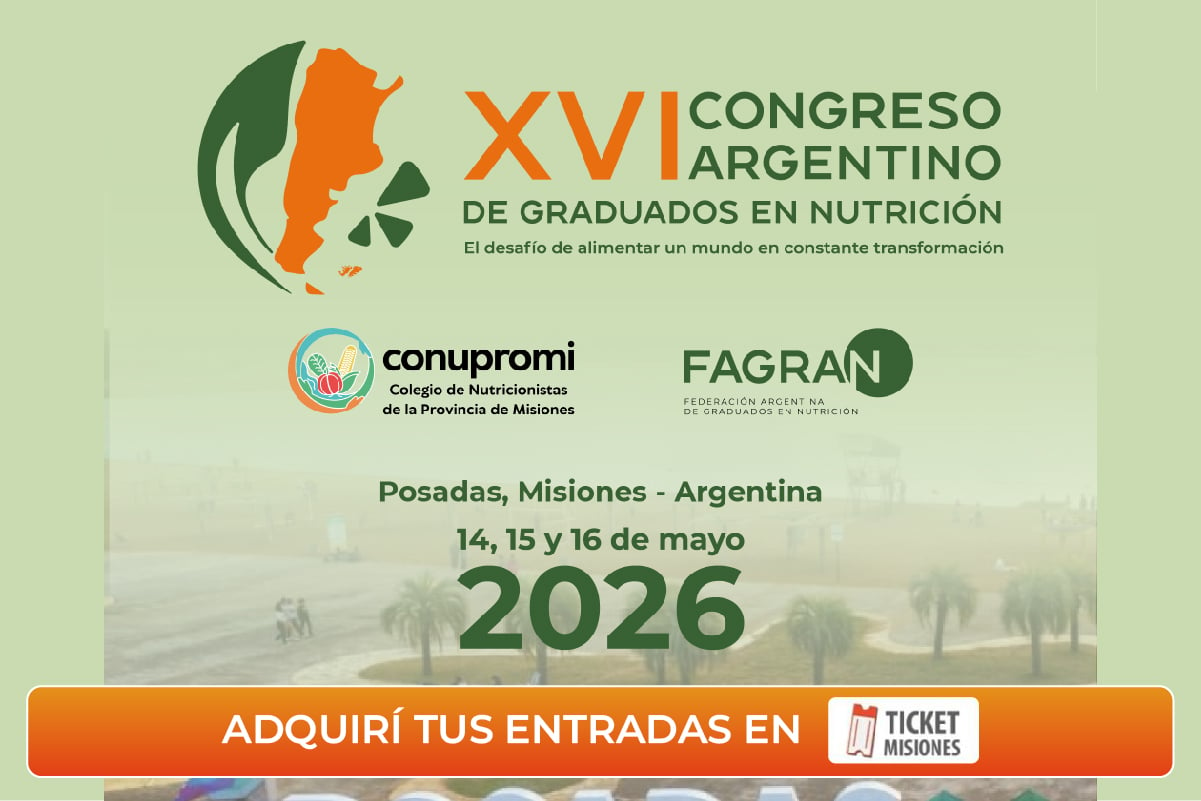
In the heart of Argentina’s northeastern region, the city of Posadas, Misiones is set to become the epicenter of the country’s nutritional discourse as it hosts the XVI Congreso Argentino de Nutrición from May 14 to 16, 2026. This landmark event, organized by the Congreso Argentino de Nutrición in collaboration with local institutions, marks the first time the congress is being held in the province of Misiones. With a focus on addressing Argentina’s unique nutritional challenges—from rising obesity rates to food insecurity—the conference promises to bring together scientists, policymakers, and healthcare professionals for three days of critical discussions, research presentations, and collaborative problem-solving.
The congress, themed around “Nutrición para la Realidad Argentina” (Nutrition for Argentina’s Reality), arrives at a pivotal moment for the country. Argentina has long grappled with paradoxical public health challenges: while urban areas face epidemics of obesity and diet-related chronic diseases, rural and low-income populations contend with malnutrition and micronutrient deficiencies. According to the latest data from the World Health Organization (WHO), nearly 60% of Argentine adults are either overweight or obese, while child malnutrition remains a persistent issue in provinces like Misiones. This dual burden demands innovative solutions, and the congress aims to bridge the gap between research and real-world application.
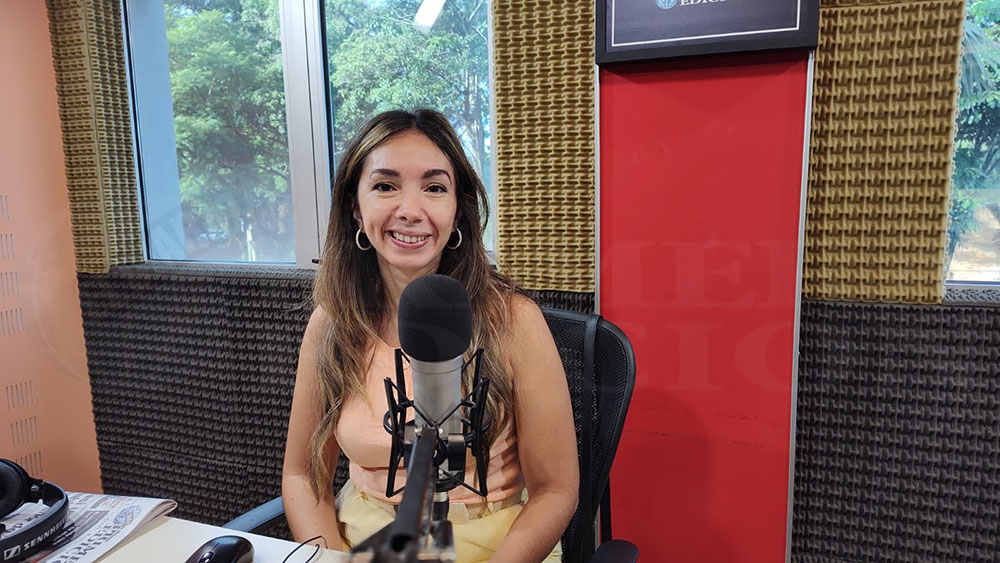
Dr. Ana María López, a leading nutritionist and member of the organizing committee, emphasized the importance of regional focus: “Misiones is not just a host but a case study. The province’s unique agricultural landscape—rich in fruits, vegetables, and organic produce—offers lessons for sustainable nutrition policies that can be replicated nationwide.” The event will feature keynote addresses from international experts, workshops on community nutrition programs, and debates on policy interventions to combat food deserts and promote healthier diets.
The Congress’s Three Pillars: Science, Policy, and Community
The XVI Congreso Argentino de Nutrición is structured around three core pillars: scientific innovation, policy advocacy, and community engagement. The first pillar, science, will showcase cutting-edge research on topics such as the gut microbiome’s role in metabolic health, the impact of ultra-processed foods on Argentine diets, and traditional indigenous foods as nutritional solutions. Presentations will include findings from local universities and research institutions, ensuring that the discussions remain grounded in Argentina’s specific context.
The policy pillar will tackle the systemic barriers to nutritional health. Sessions will explore how Argentina’s current food subsidies and agricultural policies either hinder or support public health goals. For example, the country’s recent debates over labeling laws for ultra-processed foods—similar to those in Chile and Brazil—will be a focal point. Attendees will also examine how climate change is reshaping food security in Misiones, where extreme weather patterns threaten crop yields and nutritional stability.
Finally, the community engagement pillar will highlight grassroots initiatives already making a difference. Organizations like Colegio de Nutricionistas de Misiones (COLNUTRIMIS) and Federación Argentina de Graduados en Nutrición (FAGRAN) will present successful programs that integrate nutrition education into schools, workplaces, and underserved communities. One such initiative, “Huertas Urbanas” (Urban Gardens), has transformed vacant lots in Posadas into communal gardens, providing fresh produce and nutrition workshops to families in need.
Who’s Attending: A Gathering of Minds
The congress will draw a diverse audience, including:
- Academics and researchers from universities across Argentina, such as the University of Buenos Aires and the National University of Misiones, presenting original studies on nutrition-related diseases.
- Policymakers from the Ministry of Health and the National Institute of Food Technology (INTA), discussing how to translate research into actionable public health strategies.
- Healthcare professionals, including dietitians and physicians, sharing clinical insights on managing malnutrition and obesity in diverse patient populations.
- Indigenous leaders and community organizers from Misiones, who will bring perspectives on traditional foods and their role in cultural identity and health.
International observers, including representatives from the Food and Agriculture Organization (FAO) and the Pan American Health Organization (PAHO), will also participate, offering global insights on nutrition security.
Why Posadas? The Local and Global Significance
Choosing Posadas as the venue is strategic. Misiones is Argentina’s second-largest producer of citrus fruits, tea, and yerba mate—crops that are not only economically vital but also nutritionally rich. The province’s biodiversity provides a living laboratory for studying how local diets can combat malnutrition. Posadas’s status as a crossroads between northern Argentina and neighboring countries like Paraguay and Brazil positions the congress as a hub for regional collaboration.
For attendees, the location offers logistical advantages. The city’s Government of Misiones has pledged support, including subsidized accommodation for out-of-province participants and partnerships with local hotels to ensure accessibility. The congress will also leverage Posadas’s growing reputation as a destination for health and wellness tourism, attracting international delegates interested in Argentina’s public health innovations.
Key Sessions to Watch
The congress program includes several high-profile sessions that promise to shape the future of nutrition in Argentina:
1. “Ultra-Processed Foods: The Argentine Epidemic”
This session will delve into the rapid rise of ultra-processed foods in Argentina, driven by economic factors and marketing. Speakers will present data on how these foods contribute to obesity, diabetes, and other non-communicable diseases, and propose policy solutions such as front-of-package warning labels and taxes on unhealthy products.
2. “Indigenous Foods and Nutritional Sovereignty”
A panel of indigenous leaders and nutritionists will explore how traditional diets—rich in native grains, fruits, and medicinal plants—can be revived to improve health outcomes. This discussion will also address the cultural and political dimensions of food sovereignty in Argentina.
3. “Climate Change and Food Security in Misiones”
Experts will examine how shifting weather patterns are affecting agricultural productivity in Misiones, particularly for staple crops like yerba mate and citrus. The session will include case studies on adaptive strategies, such as drought-resistant farming techniques and community-based resilience programs.
4. “School Nutrition Programs: Successes and Challenges”
This interactive workshop will analyze Argentina’s national school feeding program, Comer en la Escuela, which provides meals to millions of children. Presenters will share best practices from provinces where the program has reduced hunger and improved academic performance, as well as areas where it has fallen short.
What’s Next? The Road Ahead for Argentina’s Nutrition Agenda
The XVI Congreso Argentino de Nutrición is more than a conference—it is a call to action. As delegates depart Posadas, they will carry with them a shared commitment to turn discussions into tangible change. The organizing committee has already outlined several next steps:
- A policy white paper summarizing key recommendations, which will be submitted to the Argentine Ministry of Health and Congress for consideration.
- The launch of a regional nutrition network connecting Misiones with other provinces to share resources and best practices.
- A public awareness campaign in collaboration with local media to educate communities on healthy eating habits, leveraging the congress’s reach.
For those unable to attend in person, the congress will offer virtual participation options, including live-streamed keynotes and access to research presentations. A digital repository of all presentations and findings will be made available on the official congress website in the weeks following the event.
How to Stay Updated
To follow the congress and its outcomes, visit the official platforms:
- Instagram (@congresonutricionarg) for real-time updates and multimedia content.
- The COLNUTRIMIS website for official announcements and post-congress resources.
- FAGRAN’s portal for policy recommendations and collaborative initiatives.
The XVI Congreso Argentino de Nutrición in Posadas is poised to be a defining moment for Argentina’s nutritional future. By fostering dialogue between science, policy, and community, the event offers a blueprint for addressing the complex challenges that lie ahead. As Dr. López notes, “The time for talk is over. Now, we must act—together.”
What are your thoughts on the intersection of nutrition, policy, and community health? Share your insights in the comments below, and don’t forget to follow World Today Journal for ongoing coverage of this story and more.
- Ted Lasso Season 4: Jason Sudeikis Returns for a Brand New Coaching Challenge on Apple TV
- Heatwave in Lombardy: Health Risks, “Heat Code” Tips, and Weather Forecast
- FDA Approves Groundbreaking mRNA Vaccine Booster for Adults 50+, Boosting Immunity and Protecting Against Chronic Health Risks (archyworldys.com)
- The Future of Health Insurance Coverage and Healthcare Standards (world-today-news.com)