
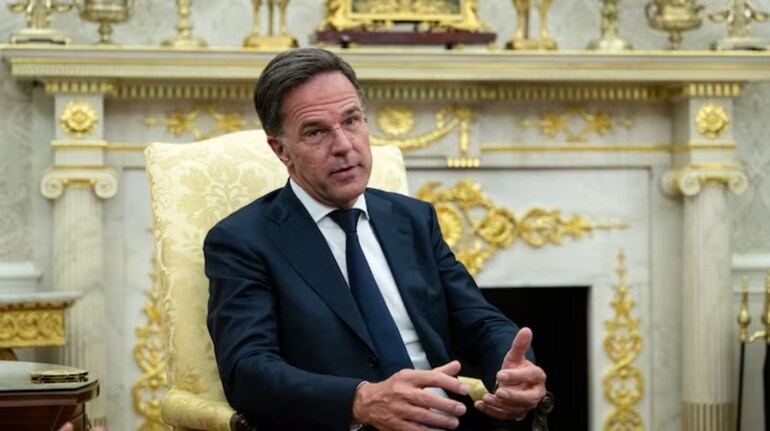
NATO Secretary-General Mark Rutte visited Washington, D.C., this week to engage with President-elect Donald Trump, aiming to address concerns regarding the future of the transatlantic security alliance. The meeting follows repeated public questioning by the incoming U.S. administration regarding the financial contributions of NATO member states and the overall strategic value of the 32-nation coalition. As the alliance prepares for its upcoming annual summit, Rutte’s diplomatic efforts seek to secure continued American commitment to the mutual defense pact established under Article 5 of the North Atlantic Treaty.
The discussions in Washington come at a time when several European capitals are reassessing their defense spending models to align with the alliance’s goal of 2% of GDP. According to official NATO records, the target of 2% was reaffirmed by leaders at the 2014 Wales Summit, though implementation across member states has varied significantly over the last decade. Rutte, who assumed the role of Secretary-General in October 2024, has emphasized that burden-sharing is a prerequisite for maintaining the political cohesion necessary to counter regional security threats, as detailed in his recent policy briefings.
The Financial Pressure on Member States
The core of the current tension involves the disparity in defense expenditure among NATO allies. While the United States remains the largest contributor to the alliance, both in absolute terms and as a percentage of military capability, President-elect Trump has consistently characterized the current arrangement as inequitable. During the transition period, his team has signaled that continued U.S. participation may be contingent upon a more aggressive timeline for European nations to meet or exceed their financial obligations.
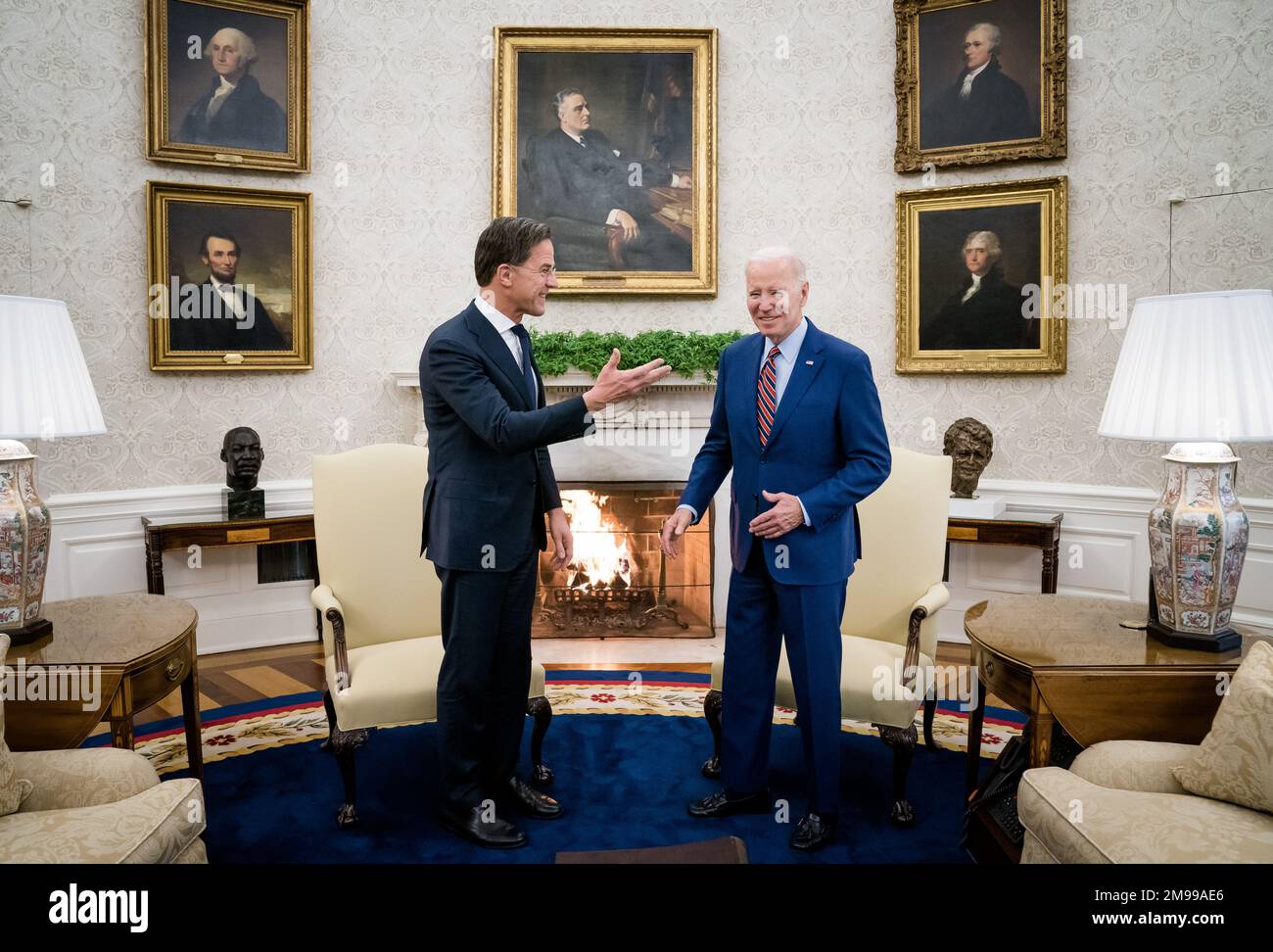
Data from the NATO 2024 annual report indicates that 23 of the 32 member nations are currently meeting the 2% threshold, a notable increase from previous years. However, the incoming administration has suggested that even this level of investment may be insufficient given the current geopolitical landscape in Eastern Europe. Rutte’s strategy involves presenting detailed charts and projections to the Trump transition team, illustrating how European military modernization directly supports U.S. national security interests by reducing the logistical burden on the Pentagon.
Navigating Transatlantic Diplomacy
Rutte’s background as the long-serving Prime Minister of the Netherlands provides him with a specific diplomatic framework for these discussions. Having managed complex coalition governments for over 13 years, he is leveraging his experience to frame the alliance not as a charity, but as a strategic asset that prevents instability which could otherwise require direct, high-cost American intervention. This approach is designed to resonate with an administration that prioritizes “America First” policies while maintaining a focus on global power competition.
The diplomatic challenge is compounded by the upcoming summit, which will serve as a litmus test for the alliance’s unity. Observers note that the Secretary-General must balance the need to appease domestic political pressures in Washington with the necessity of maintaining the confidence of Eastern European allies who view the U.S. security guarantee as an existential requirement. According to the U.S. Department of State, the commitment to the North Atlantic Treaty remains a cornerstone of American foreign policy, though the operational mechanics of that commitment are frequently subject to review during executive transitions.
What Happens Next
The immediate focus for the alliance is the preparation for the upcoming summit, where formal discussions on defense investment and long-term force posture will take place. This gathering of heads of state will be the first major opportunity for the incoming U.S. administration to articulate its specific requirements for the alliance’s future trajectory. All member states are expected to submit updated defense spending plans ahead of the meeting, as mandated by the Vilnius Summit Communiqué.
For the public and stakeholders following these developments, official updates regarding the alliance’s internal policy shifts are typically released via the NATO official portal. As the situation remains fluid, further briefings from the Secretary-General’s office are expected in the coming weeks. We welcome your thoughts on the future of transatlantic relations; please share your perspective in the comments section below.
Related reading
- Iran Warns US Threats Against Civilian Infrastructure Violate Geneva Conventions
- Dallas Catholic Schools Unite in Faith for New School Year
- Dawn of War 4 Release Date Delayed: What to Expect from the Refining Process – Warhammer 40k Strategy Game Update” “Dawn of War 4 Launch Delayed: How the Game’s Delay Will Affect Fans – Warhammer 40k Strategy Game News” “Warhammer 40k Strategy Game Dawn of War 4 Delayed to Refine Experience Ahead of Release – Gaming News Update” “Dawn of War 4 Delayed: What the Delay Means for the Upcoming Warhammer 40k Game – Strategy Game Release News (archyworldys.com)
- Iran Mocks Trump Over Secret Plane Switch Triggered by Missile Threat (time.news)