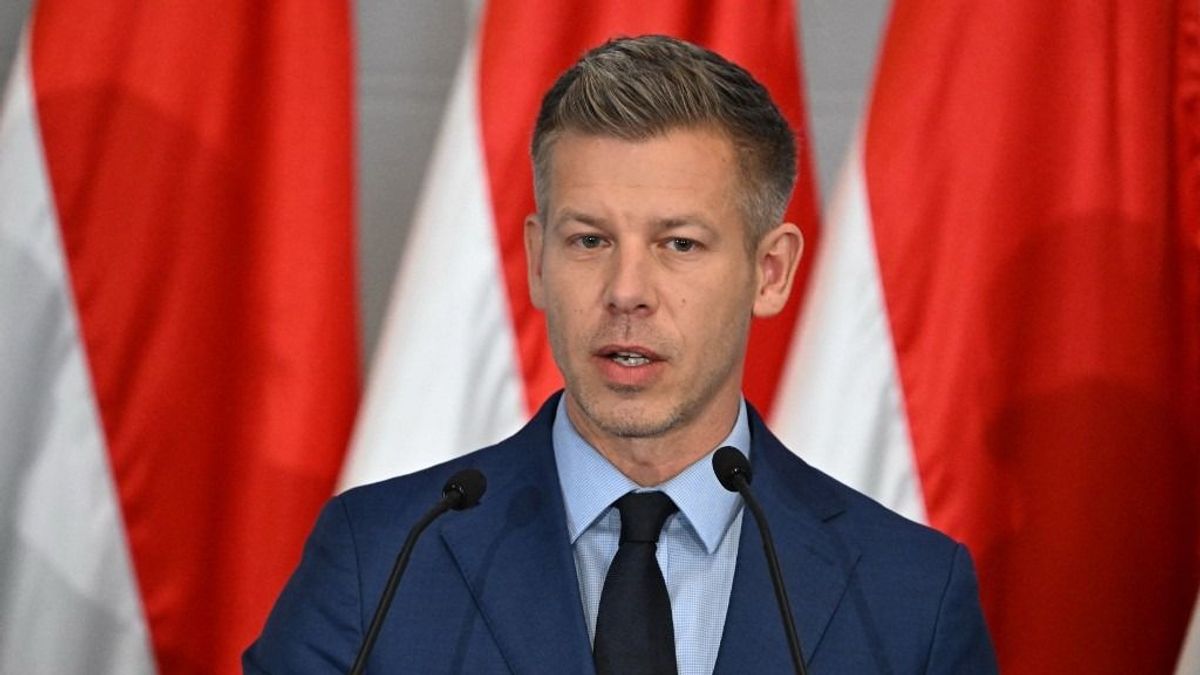
Hungary’s opposition landscape is facing a critical test as Péter Magyar’s newly formed Tisza Party navigates internal pressures that could lead to a split. Magyar, a former Fidesz ally turned prominent critic of Prime Minister Viktor Orbán, has rapidly risen in national polls since launching his party in early 2024. His ascent has positioned the Tisza Party as a potential challenger to Fidesz’s long-standing dominance, but recent analyses suggest growing tensions within its ranks over ideological direction and leadership style.
The party’s name draws from the Tisza River, Hungary’s second-longest waterway, symbolizing a break from the past and a flow toward renewal. Magyar’s background as a former state secretary under Orbán and a disillusioned Fidesz insider has lent him credibility among voters seeking change, particularly after his public resignation from government in 2023 citing democratic backsliding. Still, his rapid rise has also attracted scrutiny from both pro-government commentators and skeptical opposition figures who question whether the party can maintain cohesion as it scales.
Recent commentary from Hungarian media outlets has highlighted concerns about the Tisza Party’s internal dynamics, particularly regarding the influence of former left-wing and liberal figures within its structure. Some analysts argue that the party’s broad appeal—spanning disillusioned Fidesz voters, centrist liberals, and segments of the former opposition—may create inherent tensions over policy priorities, ranging from economic reform to judicial independence and media freedom. These debates reach as the party prepares for upcoming electoral contests, including the 2026 parliamentary elections, where it aims to deny Fidesz a supermajority.
Magyar himself has consistently emphasized a platform rooted in anti-corruption, institutional reform, and a pro-European foreign policy, distancing himself from both Fidesz’s nationalist rhetoric and the more ideologically rigid positions of some traditional opposition parties. In interviews, he has framed his movement as a “big tent” effort to unite Hungarians disenchanted with polarization, though he has also stressed the need for clear boundaries on democratic norms and rule of law.
The challenges facing the Tisza Party reflect broader difficulties in uniting Hungary’s fragmented opposition, which has struggled to present a unified alternative to Fidesz since 2010. While Magyar’s personal popularity remains high in polling data, sustaining a coherent party structure that balances inclusivity with ideological clarity will be crucial to his long-term political viability. As of April 2025, no formal schism has occurred, but ongoing debates about candidate selection, policy platforms, and internal governance suggest the party is at a pivotal juncture.
Hungarian voters will continue to watch closely as the Tisza Party defines its identity in the months ahead. Its ability to navigate internal differences while offering a credible alternative to over a decade of Fidesz rule could significantly shape the country’s democratic trajectory. For now, Magyar maintains that his focus remains on rebuilding trust in institutions and preparing for free and fair elections—a goal that, if achieved, would mark a significant departure from recent political trends in Hungary.