Escalating Tensions: Israel and Iran Exchange Strikes, Raising Fears of Wider Conflict
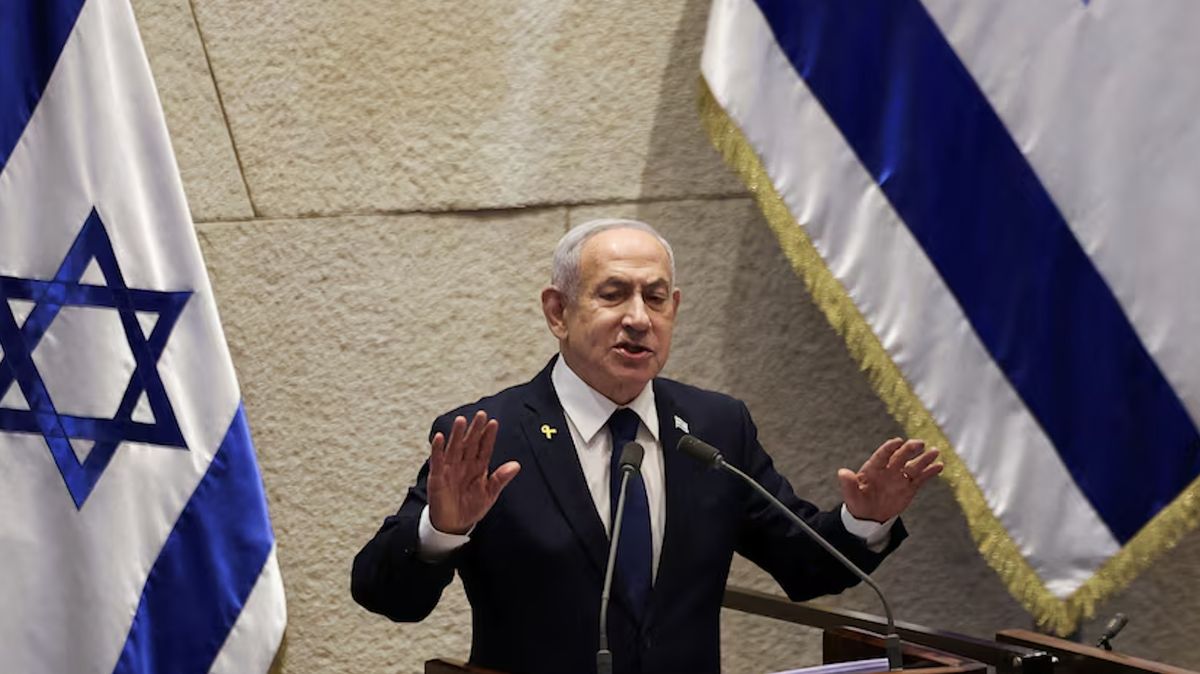
The Middle East is bracing for further escalation as Israel and Iran engage in direct military exchanges, marking a significant intensification of a long-simmering conflict. Recent strikes, confirmed by both nations, have targeted military facilities and infrastructure, raising concerns about a wider regional war. Israeli Prime Minister Benjamin Netanyahu has vowed to continue operations against Iran, framing the actions as necessary to dismantle what he views as an existential threat. The situation remains highly volatile, with international actors urging restraint and seeking diplomatic solutions. This latest confrontation follows years of covert operations and proxy conflicts between the two countries, primarily focused on Iran’s nuclear program and its support for regional militant groups.
Netanyahu’s rhetoric has been particularly forceful, signaling a willingness to pursue a sustained campaign against Iran. He has called on members of the Iranian Revolutionary Guard to lay down their arms, promising leniency if they comply. Addressing the Iranian people, Netanyahu asserted that Israel seeks to liberate Iran, not divide it, and envisions a future where peace could exist between the two nations. He similarly highlighted growing solidarity with other Middle Eastern countries who have been targets of Iranian aggression, claiming many are now seeking cooperation with Israel. These statements come amidst a backdrop of heightened military activity and a declared second phase of Israel’s operation against Iran, with reports indicating over 300 targets have been struck in recent days.
Israel’s Offensive and Iran’s Response
The Israeli military announced the commencement of the second phase of its operation against Iran on Saturday, reportedly targeting numerous sites across the country. According to reports, a refinery south of Tehran was among the targets hit, marking the first reported strike on civilian industrial infrastructure within Iran since the conflict’s escalation. The Times of Israel reports on the full extent of Netanyahu’s message.
In response to the Israeli strikes, the Iranian Revolutionary Guard claimed to have retaliated by attacking an Israeli oil refinery in Haifa. Although, Israel has denied any damage resulting from the attack, according to The New York Times. A senior member of the Iranian Revolutionary Guard, Mohammad Reza Nakdi, reportedly stated that “the opportunity has arisen to eliminate Israel,” as reported by Iranian state television.
International Reactions and Potential for Regime Change
The escalating conflict has drawn international concern, with calls for de-escalation and a return to diplomatic efforts. The United States has reaffirmed its support for Israel’s security while urging restraint. Netanyahu also acknowledged the support of former U.S. President Donald Trump, recalling a December conversation where Trump reportedly stated, “Bibi, we must prevent Iran from obtaining nuclear weapons at all costs.” He further asserted that relations between the U.S. And Israel have never been stronger.
The possibility of regime change in Iran as a result of the ongoing conflict is being widely discussed. CNN reports that Netanyahu has suggested that Israel’s operation could lead to a change in leadership in Iran, but analysts remain divided on the likelihood of such an outcome. The internal dynamics within Iran, the strength of the current regime, and the potential for widespread unrest are all factors that will influence the situation. The potential for a shift in power within Iran is a complex issue with far-reaching implications for regional stability.
The Broader Regional Context
Israel’s actions are not occurring in a vacuum. The conflict is deeply intertwined with the broader geopolitical landscape of the Middle East, including ongoing conflicts in Syria, Yemen, and Lebanon. Netanyahu expressed solidarity with other countries in the region that have been targeted by Iranian attacks, noting that many are now engaging in dialogue and seeking cooperation with Israel. This suggests a potential realignment of alliances in the region, with some Arab states increasingly viewing Iran as a common threat. The potential for the conflict to spill over into these existing conflicts remains a significant concern.
The situation is further complicated by Iran’s nuclear program. Israel has long maintained that a nuclear-armed Iran poses an unacceptable threat to its security and has repeatedly stated its willingness to accept action to prevent Iran from acquiring such weapons. The collapse of the Joint Comprehensive Plan of Action (JCPOA), also known as the Iran nuclear deal, in 2018 has heightened tensions and increased the risk of proliferation. The international community remains divided on how to address Iran’s nuclear ambitions, with some advocating for a return to the JCPOA and others favoring a more confrontational approach.
Key Takeaways
- Israel and Iran are engaged in direct military exchanges, escalating a long-standing conflict.
- Prime Minister Netanyahu has vowed to continue operations against Iran, framing them as essential to national security.
- The international community is urging restraint and seeking diplomatic solutions to de-escalate the situation.
- The possibility of regime change in Iran is being discussed, but its likelihood remains uncertain.
- The conflict has broader regional implications, potentially leading to a realignment of alliances.
As the situation continues to unfold, the international community will be closely monitoring developments and seeking ways to prevent a wider regional war. The next steps in this crisis remain uncertain, but the potential consequences are significant. Further updates and analysis will be provided as the situation evolves. We encourage readers to share their thoughts and perspectives in the comments section below.
Worth a look