
The geopolitical landscape of the Middle East has entered a period of profound tension, characterized by a stark divergence between military escalation and diplomatic maneuvering. As the region grapples with the volatility of ongoing conflicts, two distinct and potentially conflicting tracks have emerged: an intensified Israeli military campaign in Lebanon and a high-stakes diplomatic effort to reach a settlement between the United States and Iran.
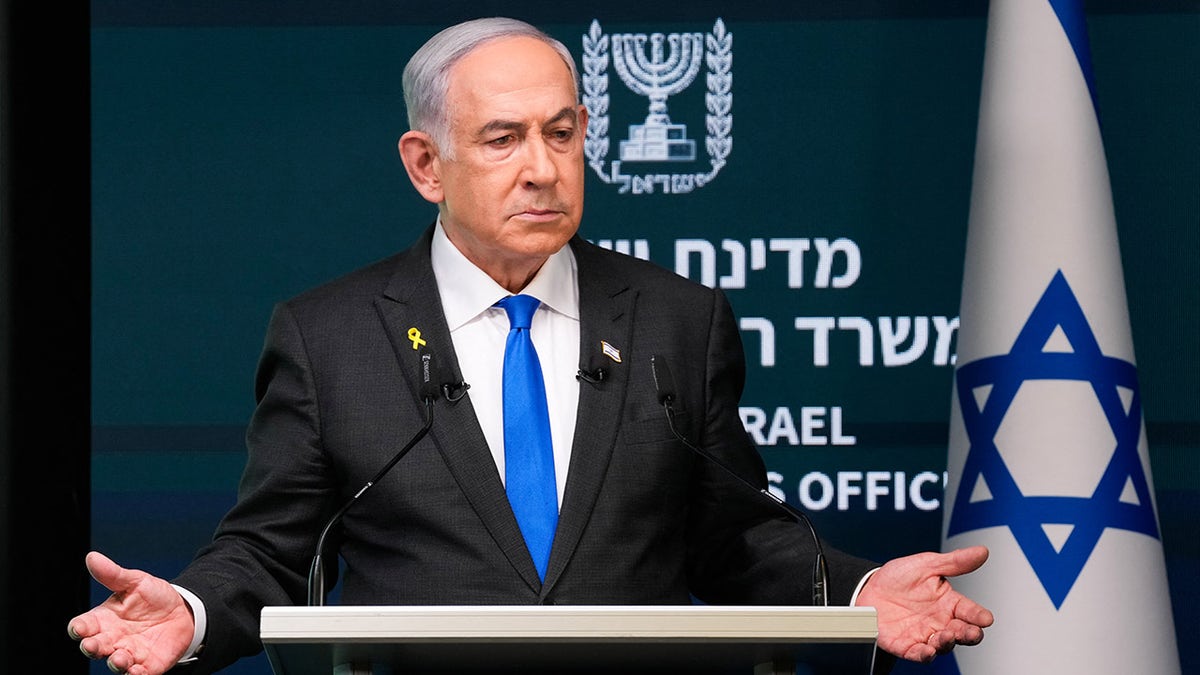
In a move that underscores the intensity of the current security environment, Israeli Prime Minister Benjamin Netanyahu has signaled that Israel is prepared to escalate its military operations against Hezbollah infrastructure in Lebanon. This announcement comes at a critical juncture, as international mediators work to navigate the complex interests of regional powers in an attempt to stabilize the theater of conflict.
The simultaneous progression of these two tracks—military pressure on the northern border and diplomatic negotiations in the shadows—creates a volatile environment where a single miscalculation could undermine months of international effort. For observers and policymakers alike, the central question is whether the drive for military security will ultimately facilitate or frustrate the path toward a broader regional de-escalation.
Netanyahu Signals Intensified Operations in Lebanon
The decision to intensify the offensive against Hezbollah in Lebanon represents a significant shift in the operational tempo of the Israeli military. According to recent indications from the Prime Minister’s office, the focus of these operations will be the systematic targeting of Hezbollah’s infrastructure. This includes the degradation of command-and-control centers, weapons storage facilities, and the logistical networks that sustain the group’s presence along the Lebanese-Israeli border.

For the Netanyahu administration, the rationale for an intensified offensive is rooted in the necessity of neutralizing immediate threats to Israel’s northern communities. The ongoing friction with Hezbollah has created a persistent security vacuum that the Israeli government is seeking to address through direct military action. By targeting the group’s infrastructure, the military aims to diminish Hezbollah’s capability to launch sustained attacks, thereby creating the security conditions necessary for long-term stability.
However, this escalation carries inherent risks. The targeting of infrastructure in Lebanon often has cascading effects on the civilian landscape and the broader stability of the Lebanese state. As the Israeli Defense Forces (IDF) increase their operational footprint, the risk of a wider conflagration grows, potentially drawing more actors into a conflict that has already caused significant regional strain.
The Shadow of Diplomacy: US and Iran Negotiations
While military activity intensifies on the ground, a parallel and arguably more complex process is unfolding in the diplomatic arena. Reports indicate that the United States and Iran are currently engaged in efforts to finalize the terms of an agreement intended to bring an end to active hostilities.

This diplomatic track is viewed by many international analysts as a vital lifeline for regional stability. The goal of these negotiations is to establish a framework that addresses the core security concerns of both Washington and Tehran, potentially providing a mechanism to de-escalate the long-standing tensions that fuel proxy conflicts across the Middle East. The finalization of such an agreement would represent a landmark achievement in international diplomacy, offering a structured way to manage regional competition through dialogue rather than direct or proxy confrontation.
The timing of these negotiations is particularly sensitive. The attempt to finalize terms comes even as kinetic military actions are being ramped up. This creates a paradoxical environment where the diplomatic momentum being sought by the United States must compete with the immediate military imperatives driving the Israeli government’s actions in Lebanon.
A High-Stakes Collision of Objectives
The intersection of Israel’s military objectives and the US-Iran diplomatic efforts creates a landscape of competing priorities. The success of the diplomatic track depends largely on the ability of the participating parties to create a sense of predictability and restraint. Conversely, the intensification of military operations is designed to project strength and enforce security through force.
The potential for these two tracks to collide is significant. If military escalations in Lebanon are perceived as being incompatible with the spirit of the US-Iran negotiations, it could jeopardize the diplomatic progress. For example, if an intensified offensive leads to an unforeseen escalation involving Iranian-aligned assets, the window for a diplomatic settlement may close rapidly.
the role of Hezbollah as a non-state actor adds a layer of complexity that traditional state-to-state diplomacy often struggles to accommodate. Even if a framework is reached between Washington and Tehran, the implementation of such an agreement would require a degree of coordination and compliance from Hezbollah that remains hard to guarantee under current conditions.
Key Takeaways: The Dual Tracks of Middle East Stability
- Military Escalation: Prime Minister Netanyahu has indicated an intent to intensify the Israeli offensive against Hezbollah infrastructure in Lebanon to address security threats.
- Diplomatic Momentum: The United States and Iran are simultaneously working toward finalizing terms for an agreement to end hostilities.
- Strategic Tension: The primary challenge lies in the potential for military actions to disrupt the diplomatic progress being attempted by international mediators.
- Regional Risk: The divergence between these two tracks increases the risk of miscalculation, which could lead to a broader regional conflict.
As the situation develops, the international community will be watching closely to see which track gains the upper hand. The coming weeks will likely determine whether the Middle East moves toward a period of managed de-escalation or descends into a more widespread and uncontained conflict.

Next Checkpoint: The international community awaits further updates regarding the specific terms of the US-Iran negotiations and any official statements from the Israeli security cabinet regarding the timeline of the Lebanon offensive.
What are your thoughts on the interplay between these military and diplomatic efforts? Share your perspectives in the comments below and share this report with your network.