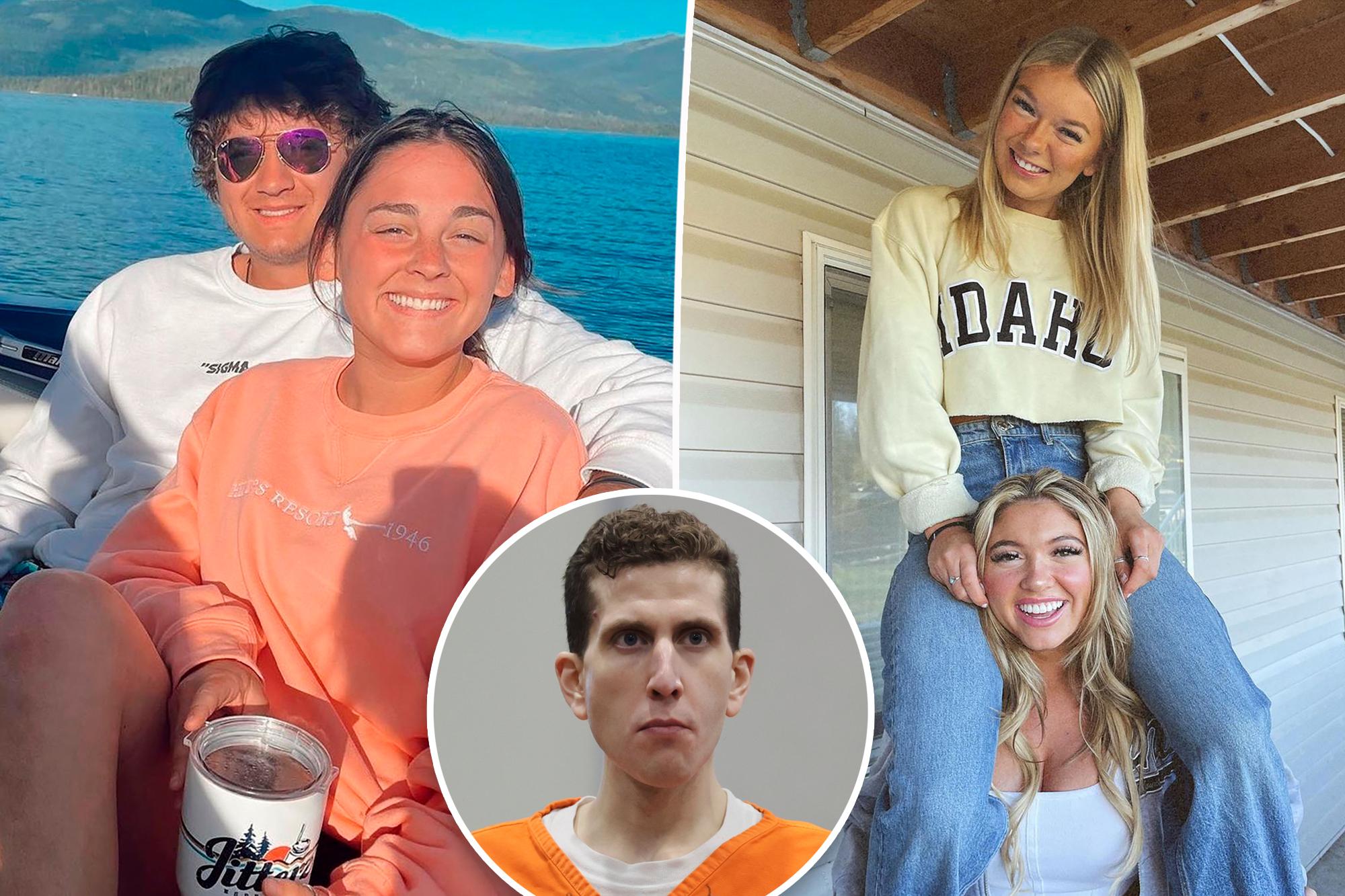
Netflix released a three-part documentary, The Idaho Murders: College Nightmare
, exploring the 2022 killings of four University of Idaho students.
A harrowing new true-crime docuseries is thrusting the 2022 University of Idaho student slayings back into public view. Netflix released the three-part series, examining the brutal killings that shook the small college town of Moscow, Idaho. The project features investigative procedural scrutiny, police body-camera footage, and extensive interviews commemorating the four victims.
The release coincides with a dramatic legal about-face. Just a year after pleading guilty to the murders and receiving four consecutive life sentences without the death penalty, 31-year-old Bryan Kohberger filed a petition to challenge his conviction and revoke his guilty plea.
Unseen Body-Camera Footage and Panic Over University Text Alerts
The documentary provides a stark look at the immediate aftermath of the killings through raw police footage. Officers are shown entering the off-campus residence, navigating a living room filled with empty bottles and solo cups before discovering the victims on the upper floors. Capt. Roger Lanier of the Moscow Police Department noted that the attack marked the first homicide in the small city in seven years and the first major crime scene for many of his younger officers.
Chaos unfolded outside the house as surviving roommates Dylan Mortensen and Bethany Funke called the authorities. Bodycam footage captures the surviving roommates and friends sitting on a curb outside while police secured the area. During the emergency call, Funke tearfully told dispatchers, Something’s happened in our house and we don’t know what,
adding that her friends were not waking up
and passed out,
unaware they were already dead.
Tensions rose among students when the university issued an emergency text alert before police could brief the victims’ friends directly. When the officer replied that he was unaware of the message, the friend explained that a warning had gone out to the entire university. Blaine Eckles, the Dean of Students at the University of Idaho, admitted he was flabbergasted when police told him they had four dead students, noting that internal protocols required immediate notification to student phones. Cooper Atkinson, a friend of victim Ethan Chapin, recalled that the alert used the heavy word homicide,
plunging the campus into immediate panic while rumors and accusations circulated online.
Surviving Roommate’s Encounter With the Killer
The docuseries revisits the terrifying moments inside the house on the night of November 13, 2022, when Kohberger entered through a sliding kitchen door at around 4 a.m.
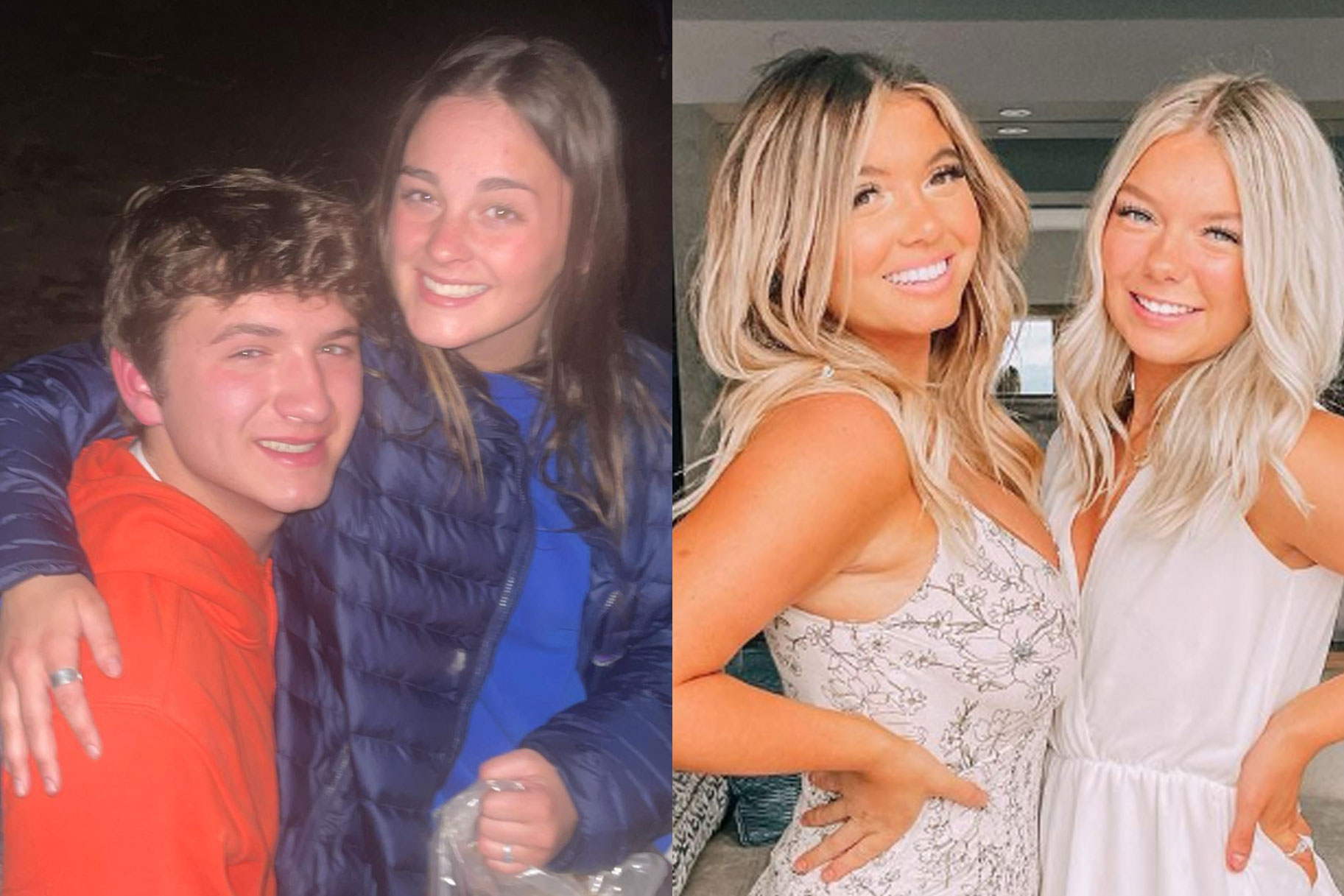
I locked my door, because I was so scared. I remember hearing this guy’s voice that I didn’t recognize saying, ‘You’re going to be OK.
Dylan Mortensen, surviving roommate
Investigators later established that Kohberger headed to the third floor to kill Madison Mogen and Kaylee Goncalves. He subsequently encountered Xana Kernodle and Ethan Chapin in second-floor rooms.
Academic Background and Potential Theories on Motive
Because Kohberger offered only brief yes-or-no answers during his July 2025 guilty plea, he never provided an explicit motive for the slayings. The documentary explores potential explanations, focusing on his background as a criminology doctoral student at Washington State University and his previous master’s studies at DeSales University under forensic psychology professor Katherine Ramsland.
Former FBI Special Agent Ed Jacobson speculated in the series that Kohberger may have translated an academic fascination with crime into real-world action. Classmates from his serial killer course recalled him taking copious notes and engaging deeply in mock crime scene projects. Ramsland herself reflected in a separate interview on whether her coursework could have inadvertently inspired him, while noting that Kohberger never directly addressed any motive theories.
Legal Obstacles Facing the New Innocence Claim
Kohberger’s sudden push to withdraw his guilty plea faces steep judicial hurdles. Legal experts cited by CNN have pointed out that overturning a guilty plea is exceptionally difficult because statements made under oath during a court proceeding are legally presumed to be true. To succeed, Kohberger would need to demonstrate that his defense counsel acted negligently or coerced him.
Meanwhile, the victims’ families continue to process the ongoing legal maneuvers.