
Researchers exploring the biological link between mind and body reveal how neural circuits in the brain’s reward system influence immune responses, while separate studies show mRNA cancer vaccines rely on backup dendritic cells and lung tumors communicate with the brain to influence the immune system.
Neural Networks and the Immune System
The biological bridge connecting mental state and physical health has long fascinated researchers, yet the exact physiological mechanisms remain under investigation.
The reward system comprises neural networks tied to motivation, positive expectation, learning, and pleasure. Dopamine-producing neurons, particularly those within the ventral tegmental area (VTA), project widely across the brain to influence decision-making and behavior.
Prof. Asya Rolls stated via Hayadan that their working hypothesis is that when there is a goal and motivation, we recruit the body’s resources to fulfill that objective, including our immune system.
Prof. Asya Rolls, Tel Aviv University, via Hayadan
Further experiments from the same laboratory previously demonstrated that the brain can maintain a neural representation of past inflammation. When investigators reactivated specific neurons in the insular cortex of mice after gut inflammation had subsided, the inflammatory response reappeared in the same organ without any new external trigger. Suppressing those same neurons reduced intestinal inflammation markers, suggesting the brain stores a functional memory of immune states.
Washington University Findings on mRNA Cancer Vaccines
Building on the vaccine technologies that addressed SARS-CoV-2 during the COVID-19 pandemic, scientists are adapting mRNA platforms to target cancers such as melanoma, small-cell lung cancer, and bladder cancer. ScienceDaily reported that a study from Washington University School of Medicine in St. Louis, published in Nature, uncovered an unexpected backup mechanism in how these experimental vaccines activate immune defenses.
Investigators traditionally believed that a specific subset of dendritic cells known as cDC1 was the primary driver for preparing T cells to attack virus-infected or malignant cells. However, experiments using mouse models that lacked cDC1 cells revealed that the animals still generated strong T cell responses and successfully eliminated sarcoma tumors in connective tissues. The research identified cDC2 cells as a secondary population capable of stepping in to activate T cells and restrict tumor growth.
Kenneth M. Murphy explained via ScienceDaily that by dissecting which immune cells are involved and how they coordinate the response, they are offering vaccine developers some additional mechanistic insights to consider in their goal of optimizing these vaccines against tumor proteins.
Kenneth M. Murphy, MD, PhD, Eugene Opie Centennial Professor of Pathology & Immunology at WashU Medicine, via ScienceDaily
Lung Tumors and Neural Circuits
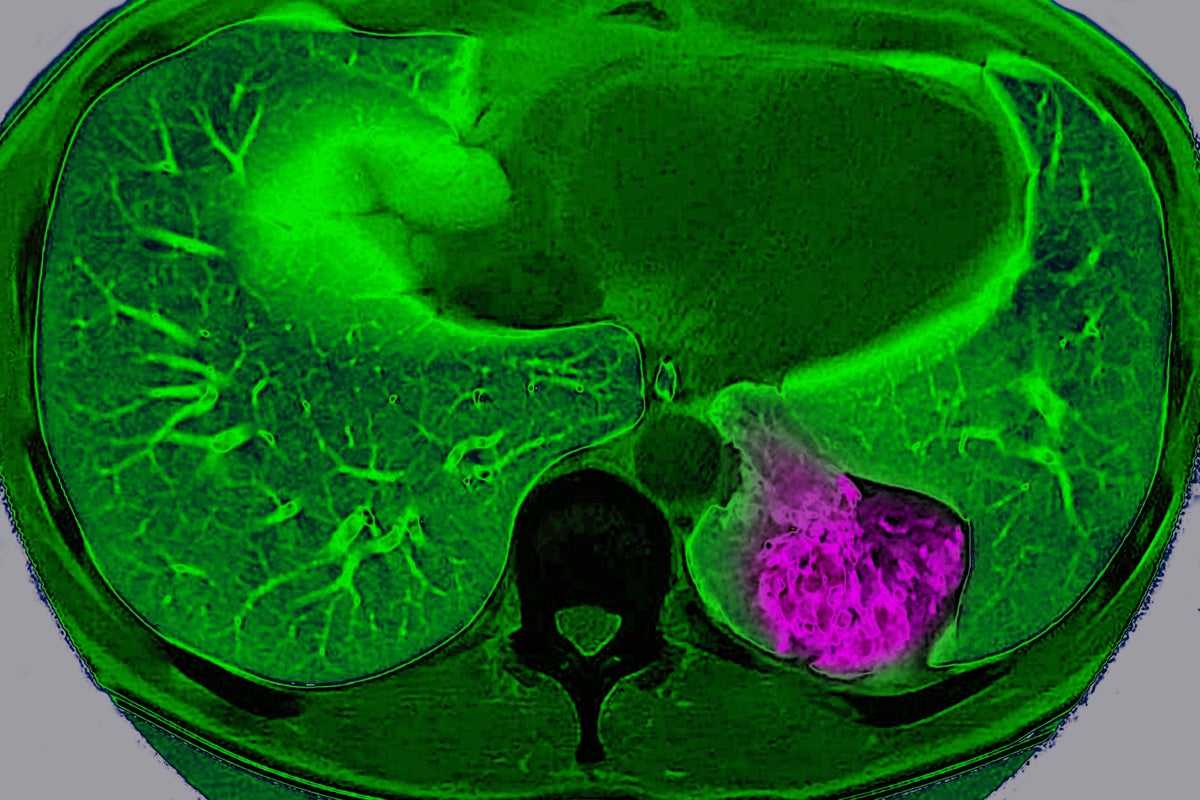
While vaccine developers seek to harness immune cells, Scientific American detailed a mechanism in which tumors actively communicate with the central nervous system. Published in Nature, a study involving researchers at the University of Pennsylvania demonstrated that lung cancer tumors in mice can use nerve endings to communicate and send signals to the brain through a complex neuroimmune circuit.
Prior to this study, most focus had been on the local interaction between the nerve endings and the tumor.
Chengcheng Jin noted via Scientific American that prior to their study, most of the focus had been on this local interaction between the nerve endings and the tumor.
Chengcheng Jin, assistant professor of cancer biology at the University of Pennsylvania, via Scientific American
Researchers demonstrated that these tumors in mice can communicate way beyond their close vicinity.
Navigating the Blood-Brain Barrier in Neuro-Oncology
Investigating immune dynamics within the central nervous system also requires understanding the vascular interface that restricts cell movement between the bloodstream and neural tissue. Frontiers in Oncology outlined how tumor-driven signaling and vascular remodeling can compromise the integrity of the blood-brain barrier (BBB) in primary and secondary brain cancers.
Changes in barrier permeability permit a selective influx of immune cells into the tumor immune microenvironment, where local cellular interactions influence therapeutic resistance and immune evasion. Researchers are evaluating advanced modeling tools, including single-cell and spatial omics, high-resolution imaging, and organoid models, to better define the molecular checkpoints governing immune cell migration across the neurovascular interface.
Worth a look