
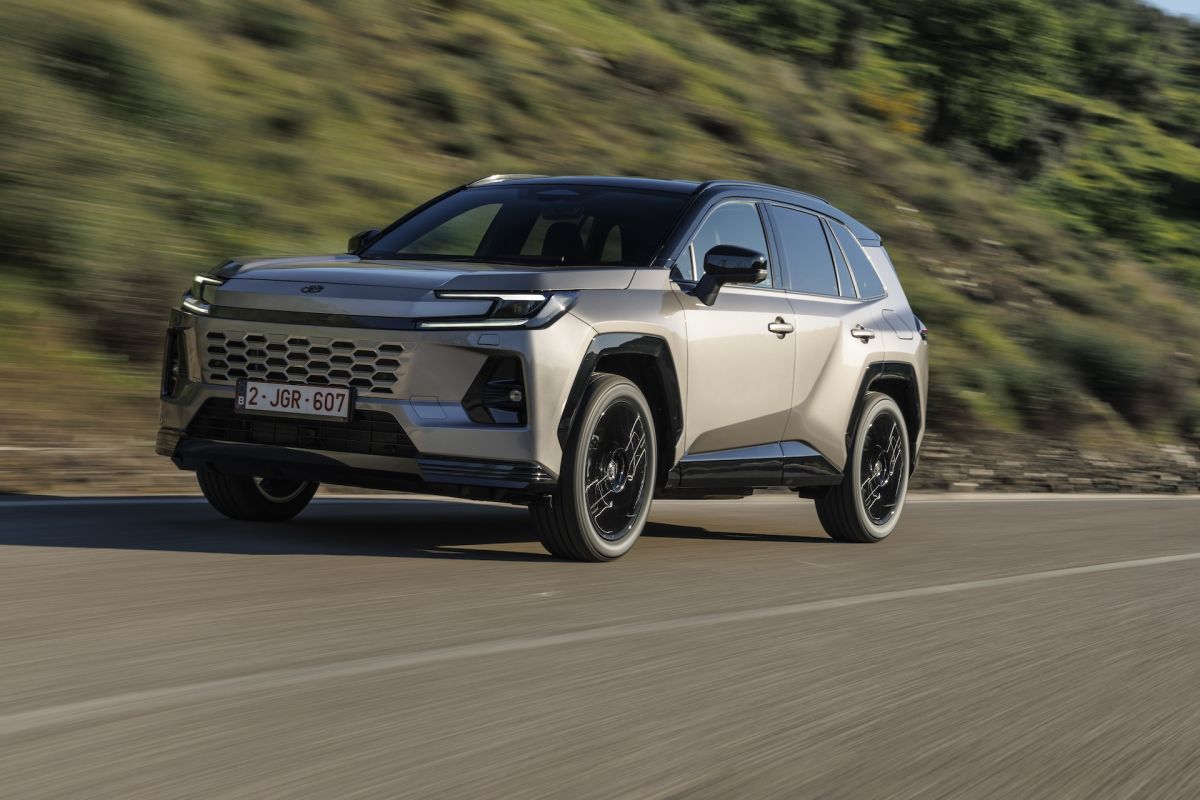
The automotive landscape in Latvia is witnessing a significant shift as the latest iteration of one of the world’s most recognized compact SUVs arrives on the market. The introduction of the sixth-generation Toyota RAV4 marks a strategic evolution for the brand, blending updated design aesthetics with a continued focus on versatility and efficiency for the Baltic region.
For consumers and industry analysts, the arrival of this new generation is more than just a model refresh; it represents Toyota’s ongoing effort to maintain dominance in the crossover segment. By introducing a redesigned chassis and updated powertrain options, the manufacturer aims to meet the increasing demand for vehicles that balance urban agility with off-road capability.
As the Chief Editor of Business at World Today Journal, I have observed how the shift toward hybrid and electrified powertrains is reshaping global automotive markets. The launch of the sixth-generation RAV4 in Latvia is a localized reflection of this broader economic trend, where sustainability and long-term value retention become the primary drivers for consumer purchasing decisions.
Design Evolution and Technical Specifications
The sixth-generation Toyota RAV4 introduces a more aggressive and modern design language compared to its predecessor. The exterior is characterized by sharper lines and a more prominent grille, signaling a departure from the softer curves of previous iterations. This “evolution into revolution” approach is intended to attract a younger demographic while retaining the reliability that longtime Toyota owners expect.

Inside, the vehicle emphasizes digital integration and ergonomic comfort. The updated dashboard incorporates larger screens and a more intuitive user interface, reflecting the global trend toward “software-defined vehicles.” These enhancements are designed to improve driver safety and connectivity, providing a more seamless experience for those navigating both the dense traffic of Riga and the rural roads of the Latvian countryside.
Market Impact and Consumer Expectations
The RAV4 has long been a benchmark for the compact SUV category. In the Latvian market, where road conditions can vary significantly between seasons, the vehicle’s reputation for durability is a key competitive advantage. The introduction of the sixth generation is expected to stimulate the local secondary market as current owners of older models upgrade to the latest technology.
From a business perspective, the deployment of the new RAV4 allows Toyota to leverage its hybrid technology more effectively. As European emissions standards tighten, the push toward electrified options is no longer optional but a necessity for market viability. The sixth-generation model is positioned to bridge the gap for drivers who are not yet ready to transition to fully electric vehicles (BEVs) but seek the efficiency of a hybrid system.
The Competitive Landscape in the Baltic Region
The arrival of the new RAV4 places it in direct competition with other established crossovers. While the source highlights the “revolutionary” nature of this update, the success of the vehicle will depend on how it balances pricing with the added value of its new features. In a market sensitive to fuel costs and maintenance expenses, the RAV4’s efficiency ratings will be a primary point of comparison for buyers.
the ability of the vehicle to handle diverse terrains—a requirement for many Latvian drivers—remains a core selling point. The sixth generation continues to offer various drivetrain configurations, ensuring that the vehicle remains a practical choice for those requiring all-wheel-drive capabilities for winter conditions.
Key Takeaways for Potential Buyers
- Generational Leap: The sixth-generation RAV4 moves beyond incremental updates to offer a more significant overhaul in design and technology.
- Digital Integration: Enhanced infotainment and driver-assistance systems are central to the new interior experience.
- Strategic Positioning: The model serves as a critical tool for Toyota to maintain its market share in the Baltic region amidst a shifting energy landscape.
- Versatility: The vehicle continues to target the “all-rounder” segment, appealing to both urban commuters and outdoor enthusiasts.
The next confirmed checkpoint for the Latvian market will be the official rollout of delivery schedules and final pricing tiers across authorized dealerships. Interested buyers are encouraged to contact local representatives for specific configuration availability and test-drive bookings.
We invite our readers to share their thoughts on the new Toyota RAV4 in the comments below. Do you believe the shift toward hybrid crossovers is the most viable path for the Baltic automotive market?