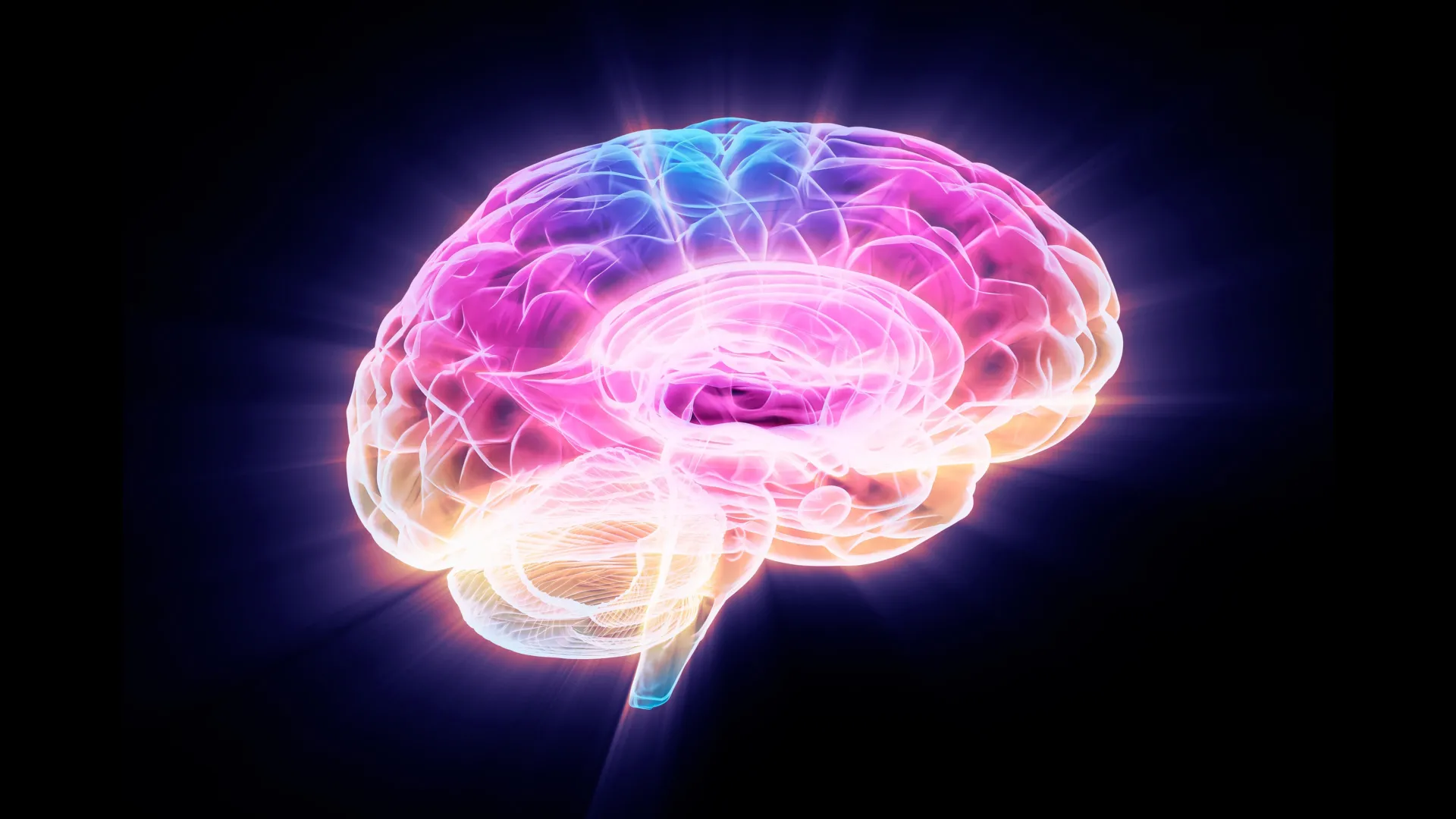
In the evolving landscape of longevity research, scientists are increasingly looking toward the hypothalamus—a minor but powerful region of the brain—as a central command center for systemic aging. A recent study has identified a specific protein, known as Menin, which appears to play a critical role in regulating these aging processes. By investigating the biological mechanisms that govern how we age, researchers have uncovered evidence suggesting that the decline of this protein may trigger a cascade of age-related issues, ranging from cognitive impairment to physical degradation.
This discovery, published in the journal Nature, offers a compelling look at how targeted interventions might one day alter the trajectory of biological decline. The research, led by scientists at the University of Washington, provides a detailed look at how Menin levels influence the hypothalamus and, by extension, the health of the entire organism. For those following advancements in medical science, this research represents a significant step forward in understanding the molecular foundations of aging, as detailed in the full findings from the University of Washington study.
The Role of Menin in Hypothalamic Function
The hypothalamus acts as a master regulator of the body’s endocrine system, influencing everything from metabolism to sleep cycles. The researchers found that as mice aged, the expression of the Menin protein in the hypothalamus decreased significantly. This reduction was not merely a side effect of aging; rather, it appeared to be a driver of the aging process itself. When Menin levels dropped, the hypothalamus began to malfunction, leading to an increase in systemic inflammation, a decline in memory and a measurable loss of bone density.
By using viral vectors to restore Menin levels in the hypothalamus of older mice, the research team observed a reversal of several of these age-related symptoms. The mice showed improvements in cognitive function and physical health markers, suggesting that the hypothalamus retains a degree of plasticity even in older age. This ability to “reset” certain aspects of the aging process by targeting a single protein highlights the hypothalamus as a high-value target for future therapeutic development.
D-Serine and Cognitive Enhancement
One of the most intriguing aspects of the study involves the role of D-serine, an amino acid that acts as a neurotransmitter. The researchers discovered that the decline of Menin in the hypothalamus led to a reduction in the production of D-serine. By supplementing the diet of the mice with D-serine, the researchers were able to boost cognitive performance, effectively bypassing some of the negative effects associated with the loss of Menin.

This finding is particularly notable because it suggests that simple, targeted interventions may be sufficient to improve cognitive outcomes in aging populations. While the transition from mouse models to human clinical applications is a complex and lengthy process, the identification of D-serine as a potential cognitive enhancer opens new avenues for research into nutritional and pharmacological strategies for healthy aging. As noted by the researchers, the study underscores the importance of maintaining proper neurotransmitter balance to preserve brain health as we age.
What This Means for Future Research
The implications of this study reach beyond the specific protein or amino acid identified. It reinforces the concept that aging is not a monolithic process, but rather a series of regulated events that can, in theory, be modulated. By focusing on the hypothalamus, scientists are identifying the “control knobs” of the body. The National Institute on Aging (NIA) continues to support extensive research into these biological pathways, aiming to translate findings from laboratory models into interventions that can improve the quality of life for the human population.
However, it is vital to approach these findings with appropriate scientific caution. Biological pathways in mice do not always translate directly to human physiology. Clinical trials will be necessary to determine if similar mechanisms are at play in humans and whether supplementing with D-serine or manipulating Menin levels would be safe or effective in a clinical setting. For those interested in the latest updates, the U.S. National Library of Medicine’s clinical trials database provides a registry for ongoing human research into aging and cognitive health.
Key Takeaways for Readers
- Hypothalamic Control: The hypothalamus plays a primary role in systemic aging, acting as a regulator for inflammation, bone health, and cognition.
- Menin Protein: Declining levels of Menin are linked to accelerated aging markers, and its restoration has shown promise in reversing these trends in laboratory models.
- Nutritional Intervention: D-serine, a naturally occurring amino acid, was found to boost cognitive function in aging mice, suggesting potential for further study in human cognitive health.
- Scientific Context: While promising, these results are currently limited to preclinical research; further human-focused studies are required to confirm safety, and efficacy.
As the scientific community continues to explore the mechanisms of the aging brain, we remain committed to reporting on verified breakthroughs that hold the potential to redefine our understanding of health. Future updates will be contingent upon the publication of human clinical trial data, which remains the gold standard for medical validation. We invite our readers to share their thoughts and experiences in the comments section below, and to subscribe to our newsletter for continued coverage of medical innovation.