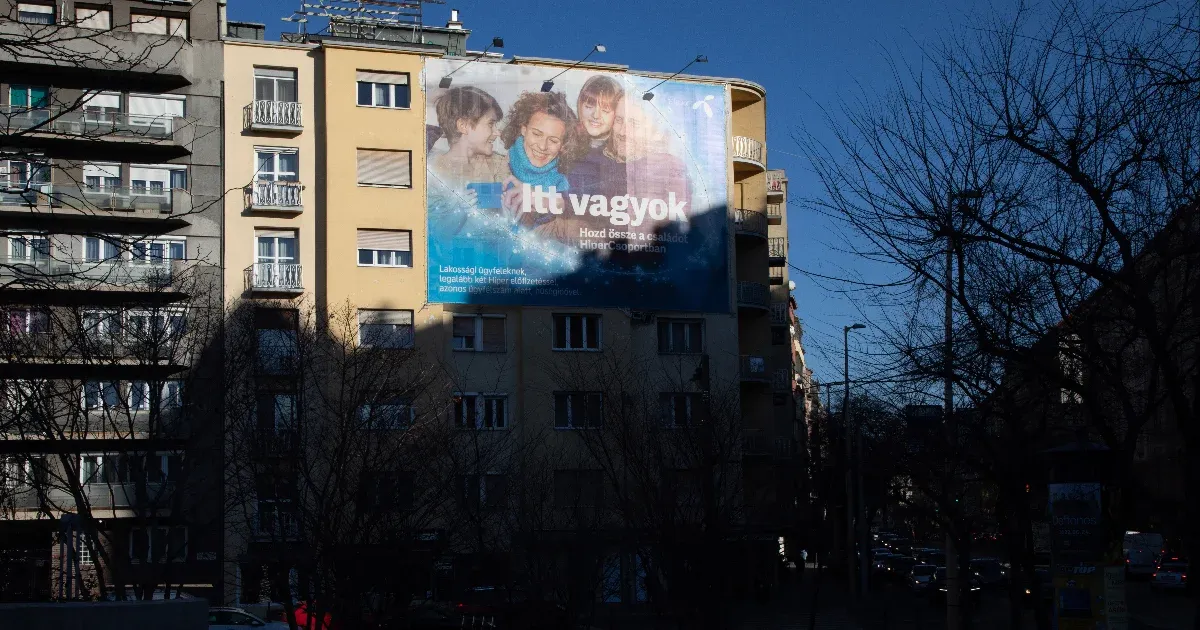
In a significant shift for Hungary’s urban landscape and political communication environment, new legislative proposals have been introduced that target the proliferation of large-format outdoor advertisements, commonly referred to as “gigaplakátok.” The legislative package, which has drawn considerable attention from policymakers and local government officials alike, aims to impose stricter regulations on public space advertising and, in some instances, demands the removal of existing large-scale structures by September 30.
As the debate over visual pollution and the influence of political messaging in public spaces intensifies, this move represents a broader effort to re-evaluate the regulatory framework governing urban aesthetics and political transparency. The legislative intent appears to be twofold: curbing the dominance of massive, often politically charged, outdoor displays and providing local municipalities with greater autonomy to manage their own streetscapes. According to official parliamentary documentation, the proposed changes are part of a wider series of amendments currently being reviewed by the Hungarian National Assembly, which also touch upon the future of the Sovereignty Protection Office and various property management issues in Budapest’s districts.
For those following Hungarian political developments, the official records of the Hungarian Parliament serve as the primary source for tracking the progress and specific language of these bills. As these proposals move through the committee stages, the potential impact on both private advertising firms and political parties remains a point of significant contention.
Legislative Scope and the September Deadline
The core of the current legislative effort centers on the physical removal of large-format advertisements that fail to meet new, stricter safety and aesthetic standards. The September 30 deadline serves as a critical checkpoint for property owners and advertising agencies to bring their installations into compliance. Failure to do so could result in significant administrative penalties and the mandatory dismantling of non-compliant structures.
The proposal is not merely about size; it addresses the content and placement of these displays. By tightening the regulations, the government is responding to long-standing complaints from local residents and urban planners who argue that the unchecked growth of these signs has negatively impacted the architectural character of cities. There is an ongoing discussion regarding the role of these billboards in political campaigning, with some factions calling for a total ban on advertisements that are perceived as promoting social division or hate speech.
The legislative process, as outlined by the Hungarian Government portal, requires that these proposals undergo multiple readings and committee reviews before they can be enacted into law. The involvement of local municipal leaders is particularly noteworthy, as many mayors have expressed a desire for greater legal authority to regulate the advertising landscape within their districts, effectively giving them the power to control what appears on their streets.
Political Implications and the Sovereignty Protection Office
The debate surrounding these billboards is inextricably linked to the broader political climate. Alongside the billboard regulations, the legislative package includes proposals that would significantly alter the status of the Sovereignty Protection Office. Established to monitor and prevent foreign influence in Hungarian political affairs, the office has become a focal point for criticism from opposition parties, who argue that its powers are overly broad and susceptible to political abuse.

The Tisza Party, a prominent opposition movement, has actively campaigned for the dissolution of the office, even suggesting modifications to the Fundamental Law of Hungary to achieve this goal. The intersection of these issues—billboard regulation and the oversight of political influence—highlights the high stakes currently at play in the national assembly. While the billboard issue focuses on the physical environment, the debate over the Sovereignty Protection Office strikes at the heart of the country’s democratic institutions and the rules governing political discourse.
Key Issues Under Consideration
- Regulatory Oversight: Strengthening the ability of local councils to dictate the size and placement of outdoor media.
- Content Standards: Implementing stricter definitions for what constitutes “hate-inducing” or inappropriate public messaging.
- Institutional Reform: Assessing the mandate and necessity of the Sovereignty Protection Office in the current political context.
- Urban Planning: Addressing the long-term impact of high-density advertising on historical and residential districts.
What Happens Next: A Timeline for Policy Review
As we look toward the coming weeks, the primary focus for observers remains the parliamentary calendar. The legislative process is expected to follow a strict schedule as the government aims to finalize these changes before the end of the autumn session. For those interested in the technical details of the proposed amendments, the parliamentary website provides the full text of the proposals, allowing for a granular analysis of the expected changes.
The next major milestone will be the committee report, which will summarize the feedback from various stakeholders, including advertising industry representatives and municipal associations. If the bill proceeds, it will then move to a final vote in the plenary session. Should it pass, the implementation phase will begin immediately, with the September 30 deadline acting as the first major hurdle for those currently operating large-format signage.
This is a developing story, and the implications for both the advertising industry and the political landscape in Hungary are substantial. We will continue to monitor the progress of these bills and provide updates as they move through the legislative process. Readers are encouraged to keep a close watch on official announcements from the Hungarian Parliament for any changes to the implementation timeline or specific regulatory requirements.
As a journalist who has spent over 16 years investigating the intersection of policy and public interest, I find this moment to be a crucial case study in how urban policy can serve as a proxy for broader political debates. Whether these changes will lead to a cleaner urban environment or simply shift the nature of political conflict remains to be seen. I invite our readers to join the conversation in the comments section below—how do you view the balance between municipal control of public space and the right to free expression in advertising?
- Yankees living in the ‘calm before the storm’ as market, needs take shape before trade deadline
- Entenda as regras do TSE para vídeos e imagens com IA nas eleições – CNN Brasil
- Get Microsoft Office on Mac for Only $43 (newsdirectory3.com)
- UK Home Office Rejects Jerusalemite Woman’s Visa While Approving Husband’s (archynewsy.com)