In the digital age, the glow of a smartphone screen has become a ubiquitous feature of family life, often acting as a silent third party at the dinner table or during playtime. However, a significant shift in public health guidance is emerging from Sweden, where health authorities have issued a stark call to action: parents are being urged to prioritize face-to-face interaction over digital engagement to foster healthier child development. This initiative represents a growing global concern regarding the impact of parental screen time on the emotional and cognitive well-being of the youngest members of society.
The push to reduce parental screen usage near children is part of a broader strategy by the Swedish Public Health Agency—Folkhälsomyndigheten—to address the complexities of modern digital parenting. By encouraging guardians to “put the phone away,” officials are not merely suggesting a digital detox but are highlighting the necessity of undistracted presence for effective attachment and social-emotional learning. This guidance arrives as part of updated recommendations that emphasize a balanced approach to technology, acknowledging that while screens are an inescapable part of contemporary life, they should not displace the foundational human connections required during early childhood.
As we navigate this evolving landscape, it is essential to distinguish between the technology itself and the behaviors surrounding its use. For parents globally, the Swedish directive serves as a mirror, prompting a necessary conversation about how our own digital habits shape the environments in which our children grow, learn, and develop their sense of self. This represents not about demonizing technology; it is about reclaiming the quality of our interpersonal relationships in an era of constant connectivity.
The Science of Presence: Why Attention Matters
The core of the Swedish health guidance rests on the concept of “serve and return” interaction, a term frequently used by child development experts to describe the back-and-forth exchanges between children and their caregivers. When a child makes a gesture, a sound, or a facial expression, they are “serving” an interaction; the caregiver’s response is the “return.” Research consistently shows that these interactions are the building blocks of brain architecture. When a parent is distracted by a smartphone—a phenomenon often termed “technoference”—this vital cycle is broken or delayed, which can lead to increased frustration for the child and a diminished sense of security.

In their latest advisory, the Swedish authorities noted that excessive screen use by adults can interfere with the essential emotional availability that children require to feel secure. According to the American Academy of Pediatrics, which has long advocated for mindful media use, parental engagement is the single most significant factor in how children process digital information. The Swedish approach aligns with this, suggesting that the most effective way to manage a child’s screen time is to model healthy boundaries oneself, ensuring that the home remains a space where physical presence is prioritized over digital notifications.
Beyond the developmental impact, there is the matter of social modeling. Children are observant imitators; they learn how to interact with the world by watching the adults around them. If a child consistently sees a parent prioritizing a screen over their company, they are likely to internalize that behavior as the standard for social interaction. By creating “phone-free zones” or designated times for tech-free family interaction, parents can provide a tangible example of how to balance the digital world with the reality of human connection.
Understanding the Swedish Recommendations
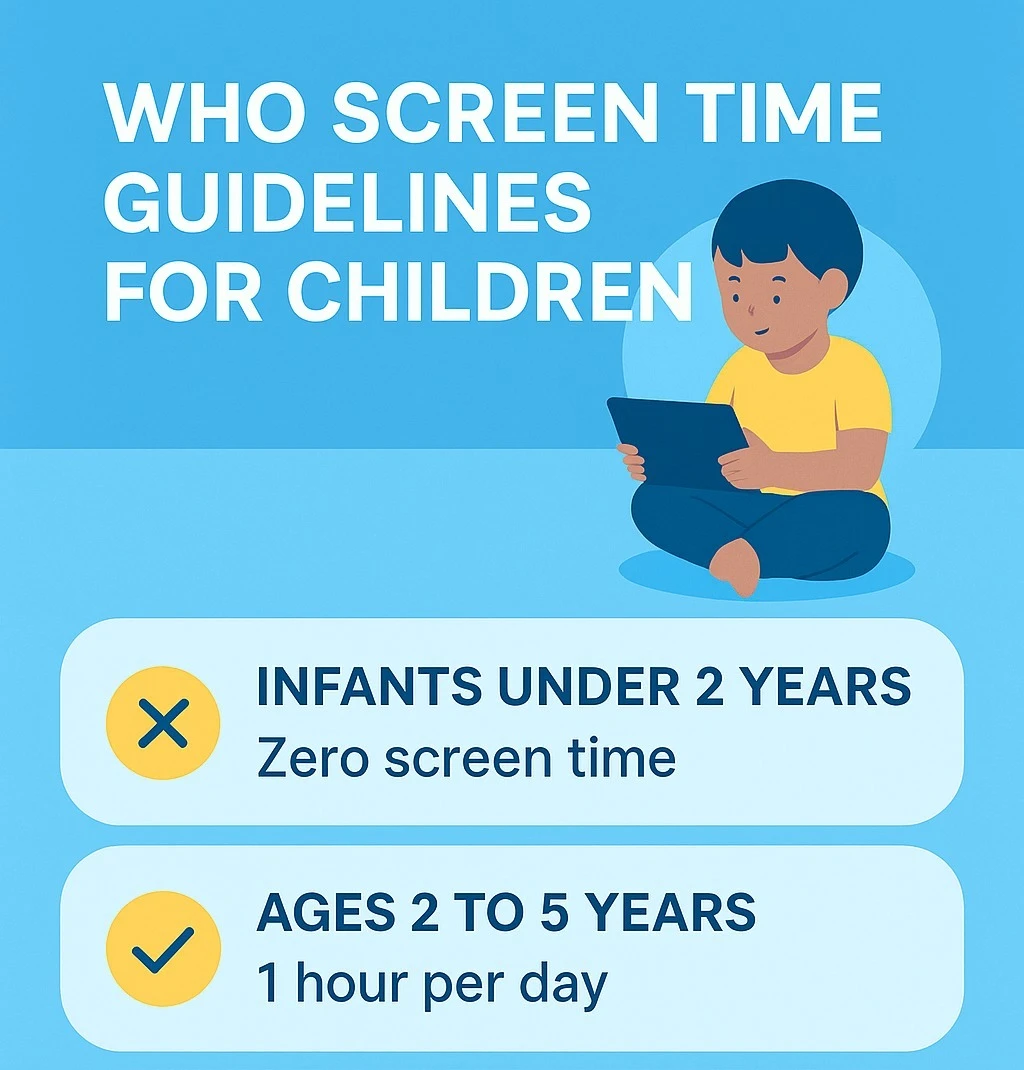
The Swedish Public Health Agency’s recent guidelines are comprehensive, covering not just the duration of screen time but the quality and context of the interaction. The agency suggests that for the youngest children, especially those under the age of two, screen time should be avoided entirely, except for occasional video calls with family members. This recommendation is based on the consensus that children at this developmental stage learn best through active, three-dimensional interaction with their environment and caregivers, rather than through two-dimensional digital interfaces.
For school-aged children, the guidance shifts toward moderation and active supervision. The OECD has highlighted that the quality of digital engagement is just as important as the quantity, urging families to focus on interactive and creative uses of technology rather than passive consumption. The Swedish authorities echo this sentiment, suggesting that parents should be actively involved in what their children are viewing and doing online, rather than using screens as a digital pacifier or a way to occupy a child for extended periods without supervision.
these guidelines are not legal mandates but rather informed recommendations designed to support public health. They reflect a growing awareness in the Nordic region—and increasingly across Europe—that the digital environment is a significant social determinant of health. By providing clear, evidence-based advice, the Swedish government is empowering parents to make informed decisions that align with the long-term developmental needs of their children, rather than reacting to the pressures of a tech-saturated culture.
Global Perspectives on Digital Parenting
Sweden is not alone in its concern. Across the globe, educational institutions and health bodies are grappling with the same questions. In France, for example, the government has implemented strict policies regarding mobile phone use in schools, aiming to limit distractions and encourage social interaction among students during breaks. Similarly, various initiatives in the United Kingdom and Canada are focusing on digital literacy as a core component of the curriculum, teaching children—and by extension, their parents—how to navigate the digital world with intention and critical thinking.
The common thread across these international efforts is the recognition that the digital revolution has outpaced our social norms. We are living in a period of transition where the tools we use have become so sophisticated that they demand a high level of cognitive and emotional regulation. For parents, this means the challenge is twofold: managing the child’s exposure and managing one’s own habits. The World Health Organization has provided extensive guidelines on sedentary behavior and sleep, which are intrinsically linked to healthy screen habits, emphasizing that physical activity and quality sleep should always take precedence over screen-based entertainment.
the Swedish call to “put the phone away” is an invitation to reclaim time. It is a reminder that the most valuable resource we have to offer our children is our undivided attention. While the digital world offers convenience, information, and entertainment, it cannot replicate the nuance, empathy, and complexity of a conversation held without the interference of a screen. As we move forward, the success of these initiatives will depend on our collective ability to create a culture where being “offline” is not viewed as a deficit, but as an essential component of a balanced, healthy life.
Key Takeaways for Families
- Prioritize Eye Contact: Engaging in face-to-face interaction is crucial for a child’s social-emotional development and secure attachment.
- Model Healthy Habits: Children learn by observing; parents who set clear boundaries for their own phone use set the standard for their children.
- Create Tech-Free Zones: Designate specific times or areas in the home—such as the dinner table or the bedroom—where screens are not permitted.
- Active Engagement: When screens are used, focus on interactive, creative, and educational content rather than passive consumption.
- Age-Appropriate Limits: Follow established health guidelines regarding screen time, which generally advise minimal to no screen time for children under two years old.
The Swedish Public Health Agency is expected to continue monitoring the impact of these guidelines and will likely provide further updates as new research on digital well-being emerges. For parents seeking to implement these changes, local health clinics and pediatricians remain the best resources for personalized advice and support. We invite our readers to join the conversation below: how do you manage the balance between the digital world and family time in your own home? Share your strategies and thoughts in the comments section below.