Promising,But Not a Cure: New Research on Remyelination in Multiple Sclerosis
Multiple Sclerosis (MS) is a complex and often debilitating autoimmune disease affecting the central nervous system. If you or a loved one is navigating an MS diagnosis, you understand the challenges of progressive disability – tremors, speech difficulties, muscle stiffness, and the potential need for mobility aids. But recent research offers a glimmer of hope, focusing on a process called remyelination – essentially, repairing the protective coating around nerve fibers. Let’s break down the latest findings and what they mean for you.
Understanding the Core Problem: Myelin Breakdown
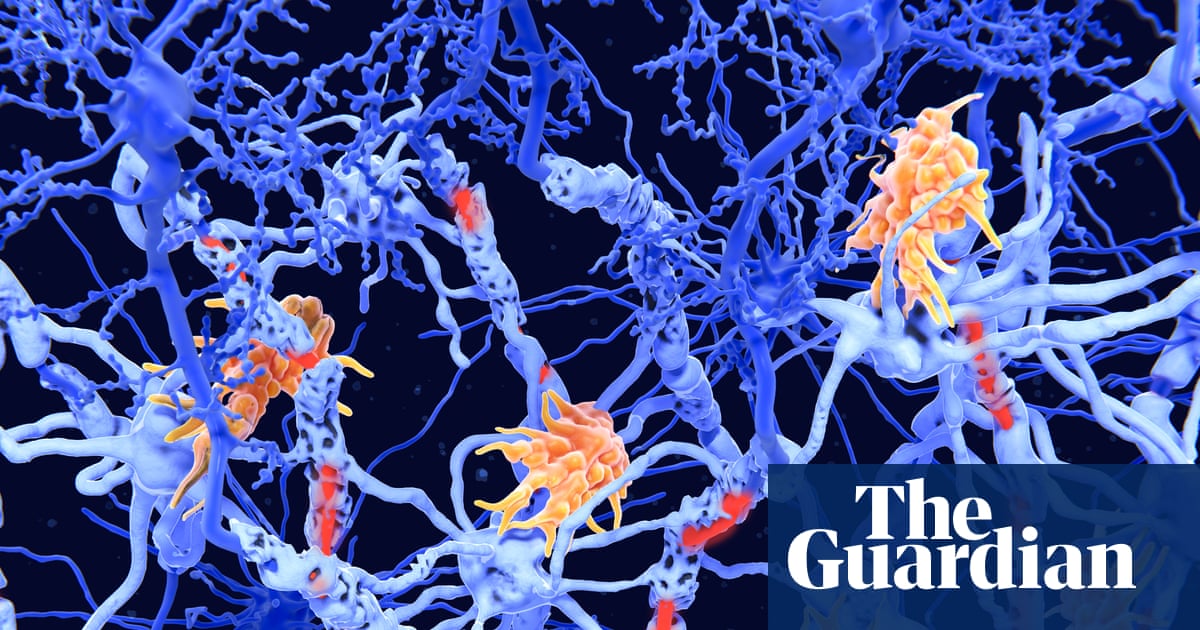
In MS, the immune system mistakenly attacks myelin, the fatty substance insulating nerve fibers.This damage disrupts interaction between the brain and the body, leading to the symptoms we associate with the disease. As myelin degrades, nerve fibers themselves can begin to die off, resulting in irreversible disability.The goal of remyelination therapies is to halt this progression and potentially restore lost function.
Clemastine & Metformin: A Combination Under Scrutiny
For the past decade, scientists have been investigating clemastine, an antihistamine, for its potential to stimulate myelin repair. Early studies suggested it could “reinvigorate” these repair mechanisms. However, the initial ReBuild trial at the University of California, San Francisco, showed only a modest betterment in nerve function.
now, a new trial – the CCMR Two trial, funded by the MS Society – has explored combining clemastine with metformin, a common diabetes drug. Research indicated metformin might enhance clemastine’s effects. Here’s what the Cambridge trial revealed:
* The Study: 70 individuals with relapsing MS participated, with half receiving clemastine and metformin, and the other half a placebo, for six months.
* how it Was Measured: Researchers measured the speed of electrical signals traveling between the eyes and the brain. Slower signals indicate myelin damage and inflammation.
* The Results: The drug combination did speed up these signals compared to the placebo – but only by a small margin: 1.3 milliseconds.
What Does This Mean for You?
While the results are encouraging, it’s crucial to understand the nuances. As Dr. Cunniffe, a lead researcher, explained, the drugs demonstrate a “biological effect” promoting remyelination. Though, patients did not experience noticeable improvements in vision or overall disability during the six-month trial.
This isn’t a setback, but a realistic assessment. Emma Gray, Director of Research at the MS Society, emphasizes these are “positive proof of concept results” that warrant further investigation. Notable clinical benefits likely require longer treatment durations.
Important Considerations & Cautions
* Don’t Self-Medicate: Researchers strongly advise against attempting to obtain these drugs outside of a clinical trial. They are still under evaluation, and side effects – like fatigue (from clemastine) and diarrhea (from metformin) – were observed in the trial.
* Remyelination Isn’t Regeneration: These therapies aim to repair existing myelin, not regenerate nerves that have already died. Early intervention is key.
* Long-Term Outlook: The MS Society rightly points out that six months is a relatively short timeframe to expect substantial clinical improvement. Longer studies are needed to assess the true potential of this approach.
Why Remyelination Remains a Crucial Focus
Experts like Professor Jonah Chan at UCSF believe remyelination is the “critical path” to preventing permanent disability in MS. It represents the most immediate hope for restoring function, although realistic expectations are vital.
Chan stresses the need for continued, rigorous research, validating potential compounds in the lab and then testing them in clinical trials.Optimism is important, but so is acknowledging setbacks and learning from them.
The Future of MS Treatment
The CCMR Two trial,while not a breakthrough,reinforces the importance of pursuing remyelination therapies. It highlights the need for:
* Continued Research: Exploring new compounds and combinations to maximize remyelination potential.
* Longer-Term Trials: Assessing the sustained effects of these therapies over extended periods.
* Personalized Approaches: Identifying wich patients are most likely to benefit from remyelination strategies.
If you’re living with MS, stay informed, discuss these
Worth a look