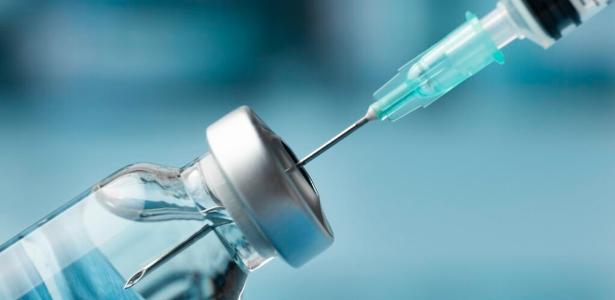
Brazil’s Ministry of Health has officially incorporated the pneumococcal 20-valent conjugate vaccine (PCV20) into the National Immunization Program (PNI), marking a significant expansion in the public health strategy to prevent severe pneumococcal diseases. This new vaccine, which provides protection against 20 different strains of the Streptococcus pneumoniae bacteria, is now available free of charge through the Unified Health System (SUS) for children, replacing the previously used 10-valent version.
The transition to the PCV20 vaccine aims to reduce the incidence of invasive diseases such as pneumonia, meningitis, and otitis media in the pediatric population. According to the Brazilian Ministry of Health, this upgrade is part of a broader commitment to modernize the national immunization schedule by introducing vaccines with broader serotype coverage. In the private sector, where this vaccine has been available for some time, doses can cost as much as R$ 600, highlighting the economic impact of this new public policy for Brazilian families.
Why the Shift to PCV20 Matters for Public Health
The primary advantage of the PCV20 vaccine over its predecessor is the breadth of protection it offers. While the 10-valent vaccine (PCV10) was effective against the most common strains circulating in Brazil, the 20-valent version expands coverage to include additional serotypes that have become increasingly prevalent in recent epidemiological surveillance reports. The Streptococcus pneumoniae bacterium remains a leading cause of childhood morbidity, and by increasing the number of covered strains, the government expects to see a decrease in hospitalizations related to severe respiratory and neurological infections.
Medical experts emphasize that vaccination remains the most effective tool to prevent these infections. By providing the vaccine via the SUS, the Ministry of Health ensures that children from all socioeconomic backgrounds have access to the same level of protection previously restricted to those who could afford private healthcare services. This move aligns with the World Health Organization’s (WHO) recommendations for expanding pneumococcal coverage in national immunization programs to address evolving bacterial resistance and shifting strain prevalence, as detailed in the WHO guidance on pneumococcal disease.
Who is Eligible and Where to Find the Vaccine
The rollout of the PCV20 vaccine is targeted specifically at the pediatric population, integrated into the routine vaccination schedule managed by the Ministry of Health. Parents and guardians should consult their local Basic Health Unit (UBS) to verify the specific vaccination calendar for their region, as the distribution process is managed by state and municipal health departments in coordination with the federal government. The Ministry of Health’s official portal provides updated information on the national vaccination schedule and the specific requirements for pediatric doses.
It is important to note that the vaccine is administered in a multi-dose schedule, and completing the series is essential for long-term immunity. Healthcare providers at local clinics are prepared to update vaccination records and provide guidance on the transition from the previous 10-valent vaccine to the new 20-valent formulation. For families with children who have already started their vaccination series with the older version, local health authorities will provide instructions on how to complete the schedule with the new formulation to ensure optimal coverage.
Understanding the Impact on Pediatric Care
The introduction of the PCV20 vaccine serves as a critical update to the Brazilian pediatric immunization landscape. Pneumococcal disease, which includes conditions ranging from mild ear infections to life-threatening bacterial meningitis, remains a significant concern for public health officials. By targeting 20 strains, the government is addressing a wider spectrum of the disease, which is essential for long-term control of bacterial transmission in school and community settings.
The move also reflects a shift in how Brazil manages its vaccine procurement. By negotiating large-scale purchases for the public health system, the government is able to secure the vaccine at a significantly lower cost per dose compared to the retail market prices, which often reach R$ 600 per dose in private clinics. This centralized purchasing power is a cornerstone of the SUS, ensuring that high-quality medical innovations are accessible as a fundamental right rather than a luxury service. Ongoing monitoring by the Brazilian Health Regulatory Agency (ANVISA) ensures that the vaccine meets all safety and efficacy standards required for distribution within the country.

As the national rollout continues, health authorities will monitor the impact of the new vaccine on hospital admission rates for pneumonia and meningitis. Further updates regarding the availability of the vaccine in specific municipalities will be released by local health secretariats as supply chains are finalized. Residents are encouraged to check the official government health channels for the most current information regarding their local vaccination status and to bring their children’s vaccination cards to their nearest clinic to ensure all records are current.