
Visma-Lease a Bike secured a victory in the team time trial at the Tour de l’Ain on Tuesday, despite an early setback involving star rider Wout van Aert. The Belgian cyclist was dropped by his teammates after approximately eight kilometers, forcing the professional cycling team to reorganize their strategy mid-race to maintain their pace and clinch the stage win.
The team time trial, a technical discipline requiring precise coordination, saw the squad navigate the course without Van Aert for the majority of the distance. According to reports from the race, the team’s tactical adjustments allowed them to cross the finish line with the fastest time, although the circumstances surrounding Van Aert’s early exit prompted questions regarding his current physical preparation and form. The victory marks a notable result for the team in the lead-up to larger seasonal objectives, even as individual performance concerns remain a point of discussion.
Team Dynamics and Strategy Shifts
The decision to continue the time trial without Van Aert required the remaining members of Visma-Lease a Bike to recalibrate their efforts instantly. In elite cycling, the loss of a key engine like Van Aert usually necessitates a rapid shift in the rotation rhythm, as the remaining riders must cover the gaps left by a specialist who is typically expected to lead the pace. Team management noted that the race did not proceed according to the initial plan, highlighting the necessity of adaptability in high-stakes time trial events.
The technical demands of a team time trial are governed by the ability of riders to maintain a high, consistent velocity while minimizing aerodynamic drag. When a core member drops off early, the remaining group faces increased physical strain, as the workload distribution per rider rises significantly. This incident underscores the volatility of the discipline, where the collective effort is only as strong as the ability of the team to mitigate the loss of its components under pressure. The victory, therefore, serves as a testament to the depth of the Visma-Lease a Bike roster rather than the individual performance of any single rider on the day.
Assessing Form Ahead of Future Competitions
Wout van Aert’s struggle to keep pace with his team during the early stages of the event has drawn scrutiny regarding his recovery and fitness trajectory. As one of the most prominent figures in modern cycling, Van Aert’s performance is monitored closely by analysts and fans alike, particularly as the season progresses toward major international championships and grand tours. The early exit after eight kilometers of racing is a metric that stands in contrast to his usual dominance in time-trial disciplines.
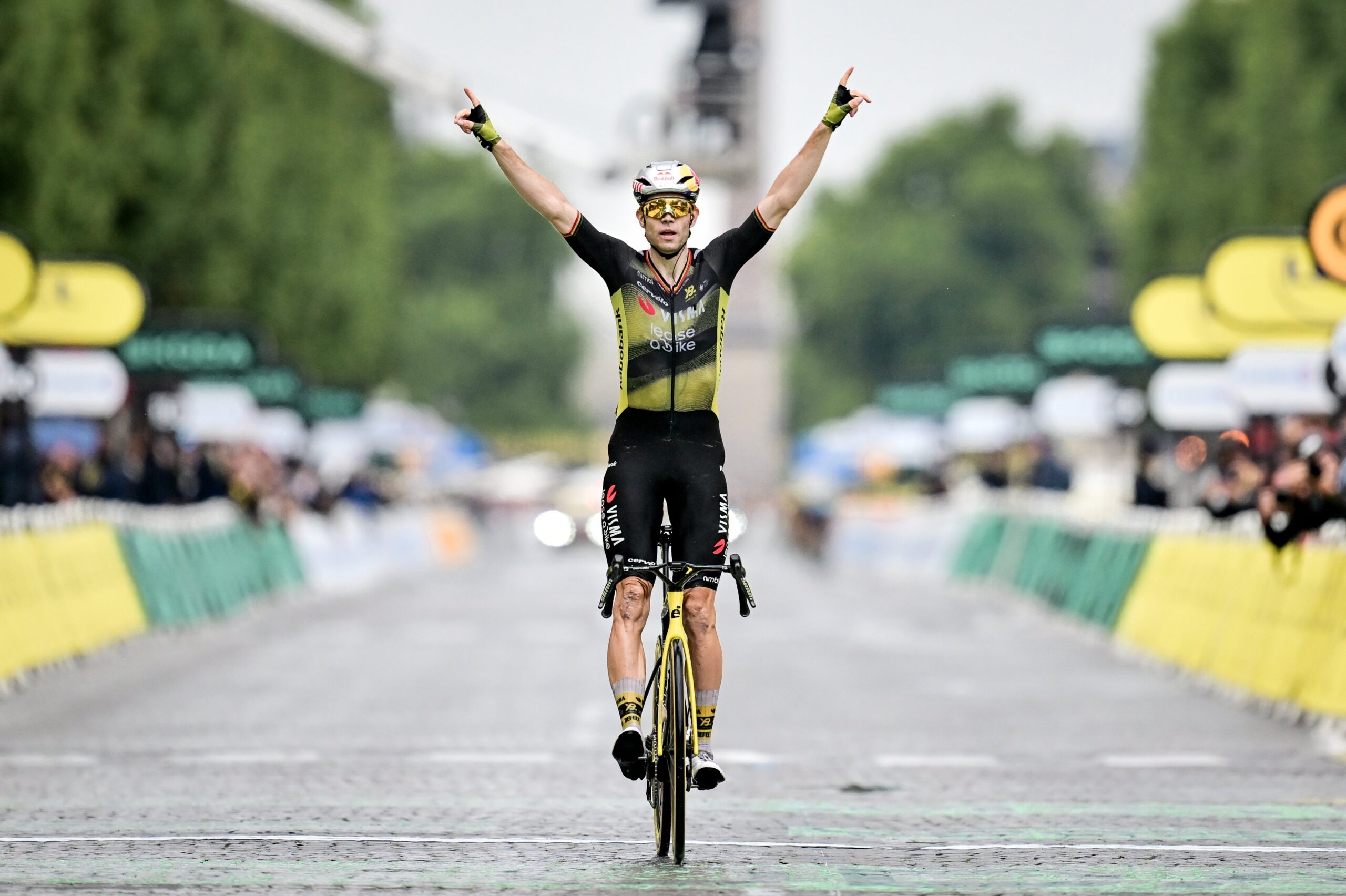
The athlete acknowledged the complexity of the situation, expressing mixed feelings regarding the outcome. While the team celebrated a collective success, the frustration of being unable to contribute to the full duration of the effort was evident. For professional cyclists, the period of returning to peak form after a break or injury is marked by incremental improvements; however, high-profile events like the Tour de l’Ain provide a public platform where such physical limitations become immediately apparent. The team has not released detailed medical data or specific training adjustments following the stage, maintaining a focus on the remaining race schedule.
Technical Requirements of Team Time Trials
The team time trial remains a specialized event in professional road racing, distinct from individual efforts due to the reliance on drafting and synchronized pacing. According to the Union Cycliste Internationale (UCI), the rules governing these events emphasize the safety and consistency of the group, with the time usually taken on the arrival of the fourth or fifth rider, depending on the specific race regulations. This structure allows teams to compensate for the loss of a rider, provided the remaining core can maintain the necessary speed to remain competitive.


The Tour de l’Ain serves as a training ground for many teams to refine these group dynamics. By analyzing the data from this stage, teams can identify weaknesses in their rotation and communication. The ability to win under adversity is often cited by sports analysts as a sign of a well-drilled unit, capable of absorbing the loss of a primary leader while still executing a winning performance. As the season continues, the performance of the Visma-Lease a Bike squad will continue to be evaluated against the high standards set by the UCI WorldTour circuit.
The next phase of the race will provide further insight into the team’s overall readiness. Official updates and stage results are managed through the race organizers’ portal, which remains the primary source for verified timing and classification data. Fans and observers looking for further updates on the team’s progression are encouraged to follow the official event communications for subsequent stage developments.
The race continues this week. For more updates on professional cycling and team performances, readers are encouraged to follow our sports coverage at World Today Journal.
Keep reading