
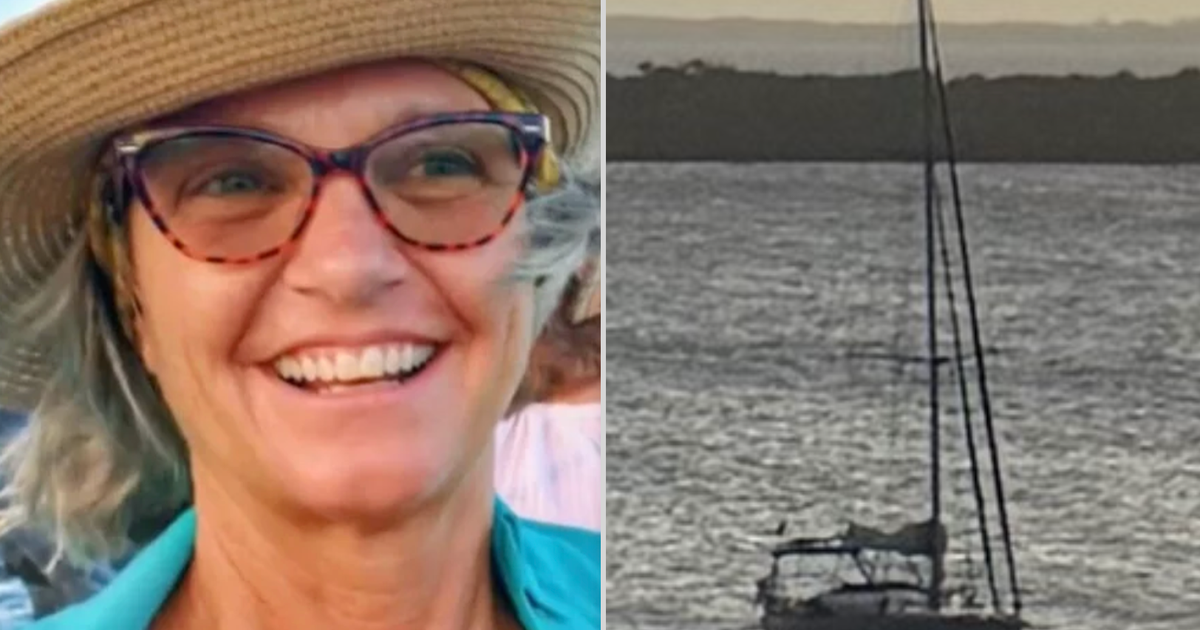
United States investigators are preparing to initiate a new search operation in Bahamian waters regarding the disappearance of Lynette Hooker, a Michigan woman who went missing while sailing with her husband, Brian Hooker. The move comes as authorities review technical data that appears to conflict with the account of events provided by her husband following the incident.
The investigation into the circumstances surrounding the disappearance has gained renewed momentum as officials work to coordinate with international partners. According to recent reports from the U.S. Coast Guard, the agency is seeking formal authorization from the Bahamian government to deploy divers to specific locations identified through updated analysis of the vessel’s movements. This collaborative effort highlights the complexities inherent in maritime investigations occurring outside of U.S. Territorial jurisdiction.
Discrepancies in Vessel Tracking Data
Central to the ongoing inquiry is the analysis of the sailboat’s navigation logs and tracking systems. Investigators have identified an 11-hour window during the night of the disappearance when the vessel’s tracking data ceased to transmit, creating a significant gap in the timeline of events. This digital silence has become a focal point for authorities, who are now cross-referencing this timeline against the statements provided by Brian Hooker.
The investigation remains active, with maritime authorities emphasizing the necessity of reconciling physical evidence with the digital footprint left by the vessel. By utilizing advanced forensic mapping and oceanic current modeling, investigators aim to determine the precise location of the sailboat at the time the tracking systems were disabled. Such technical evidence is often critical in establishing a reliable sequence of events in open-water incidents where eyewitness accounts are limited.
International Coordination and Search Protocols
Because the incident occurred in Bahamian waters, the U.S. Coast Guard must navigate established international maritime protocols before commencing any search operations. Requests for access to foreign waters involve diplomatic coordination to ensure that all activities comply with local laws, and sovereignty. The process of obtaining this authorization is a standard, yet essential, procedure for U.S. Agencies operating abroad.
The U.S. Department of State often facilitates such cooperation when American citizens are involved in incidents abroad, working alongside local law enforcement to ensure a thorough investigation. As of late May 2026, officials have indicated that the focus remains on obtaining the necessary permissions to allow divers to survey the seafloor in areas where the vessel was reportedly moored.
Key Factors in the Investigation
- Navigation Logs: Analysis of the 11-hour gap in tracking data remains a priority for forensic investigators.
- Jurisdictional Cooperation: The U.S. Coast Guard is working with Bahamian authorities to secure authorization for underwater recovery efforts.
- Witness Statements: Investigators are evaluating the consistency of statements provided by the husband against empirical data recovered from the yacht.
What Happens Next
As the investigation continues, the next confirmed phase will be the formal response from Bahamian officials regarding the U.S. Request for dive operations. Should permission be granted, the Coast Guard will mobilize specialized teams to conduct a targeted search of the area identified by the vessel’s last known trajectory. The U.S. Coast Guard has stated that it remains committed to utilizing all available resources to bring clarity to the circumstances of the disappearance.

For those interested in the progress of this investigation, updates are typically made available through official government news releases or through statements provided to established press agencies. We will continue to monitor the situation as new information becomes available from official sources. We encourage our readers to share their thoughts or engage in the discussion regarding the importance of maritime safety and digital tracking in modern boating.