
United States agricultural officials have confirmed a second case of New World screwworm in Texas, prompting an immediate response from neighboring authorities. The Canadian government has implemented strict restrictions on livestock imports from the United States to prevent the potential spread of the parasite, which feeds on the living tissue of warm-blooded animals and can cause severe, fatal wounds if left untreated.
The discovery of this second case in Texas marks a critical development in regional biosecurity. According to the United States Department of Agriculture (USDA) Animal and Plant Health Inspection Service, the New World screwworm (Cochliomyia hominivorax) is a foreign animal disease that requires aggressive containment measures. Because the larvae consume healthy tissue, infestations—known as myiasis—can lead to rapid health declines in livestock, pets, and wildlife.
Understanding the Livestock Import Restrictions
In response to the confirmed cases in Texas, the Canadian Food Inspection Agency (CFIA) has updated its import requirements for animals originating from the United States. These measures are designed to mitigate the risk of the parasite entering Canada through the movement of cattle, horses, and other susceptible species. For livestock owners and commercial exporters, this means an increased burden of inspection and documentation before animals can cross the border.
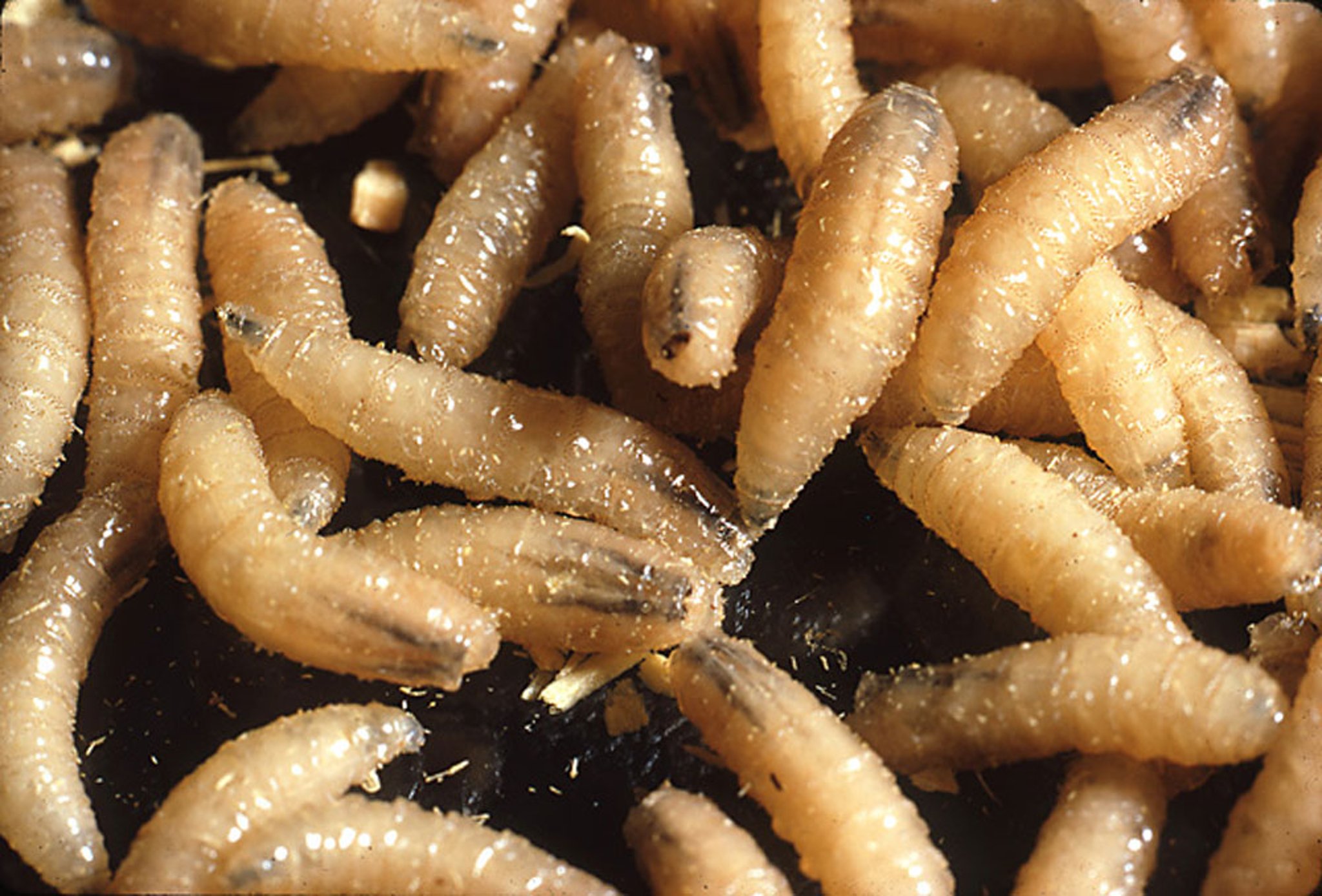
The CFIA mandate requires that all shipments of ruminants and horses must be accompanied by specific health certifications verifying that the animals have been inspected and show no signs of screwworm infestation. These protocols are standard for managing high-consequence agricultural pests. The agency advises importers to consult the Automated Import Reference System (AIRS) to ensure compliance with the latest regulatory updates, as requirements may change based on the geographical location of the animals within the United States.
The Threat of New World Screwworm
The New World screwworm is distinct from other fly larvae because it specifically targets living tissue rather than decaying matter. Adult flies lay their eggs in open wounds or mucous membranes of warm-blooded hosts. Once the eggs hatch, the larvae burrow into the host, creating deep pockets that can quickly become infected. Without medical intervention, the damage can be extensive and life-threatening.
Agricultural experts emphasize the importance of early detection. Producers are encouraged to monitor their herds closely for signs of irregular wounds or persistent irritation. The USDA provides resources for producers to identify the clinical signs of an infestation, which include foul-smelling discharge from wounds and the presence of larvae that may not be visible to the naked eye until the wound has been examined by a veterinarian.
Biosecurity and Future Monitoring
The current situation remains a developing story as federal and state agencies work to determine the scope of the infestation. Surveillance efforts have been intensified in the affected areas of Texas to identify any additional cases. These efforts are part of a long-standing cooperative framework between the U.S. and its partners to keep the parasite eradicated from North America, where it was historically widespread before the implementation of the Sterile Insect Technique.
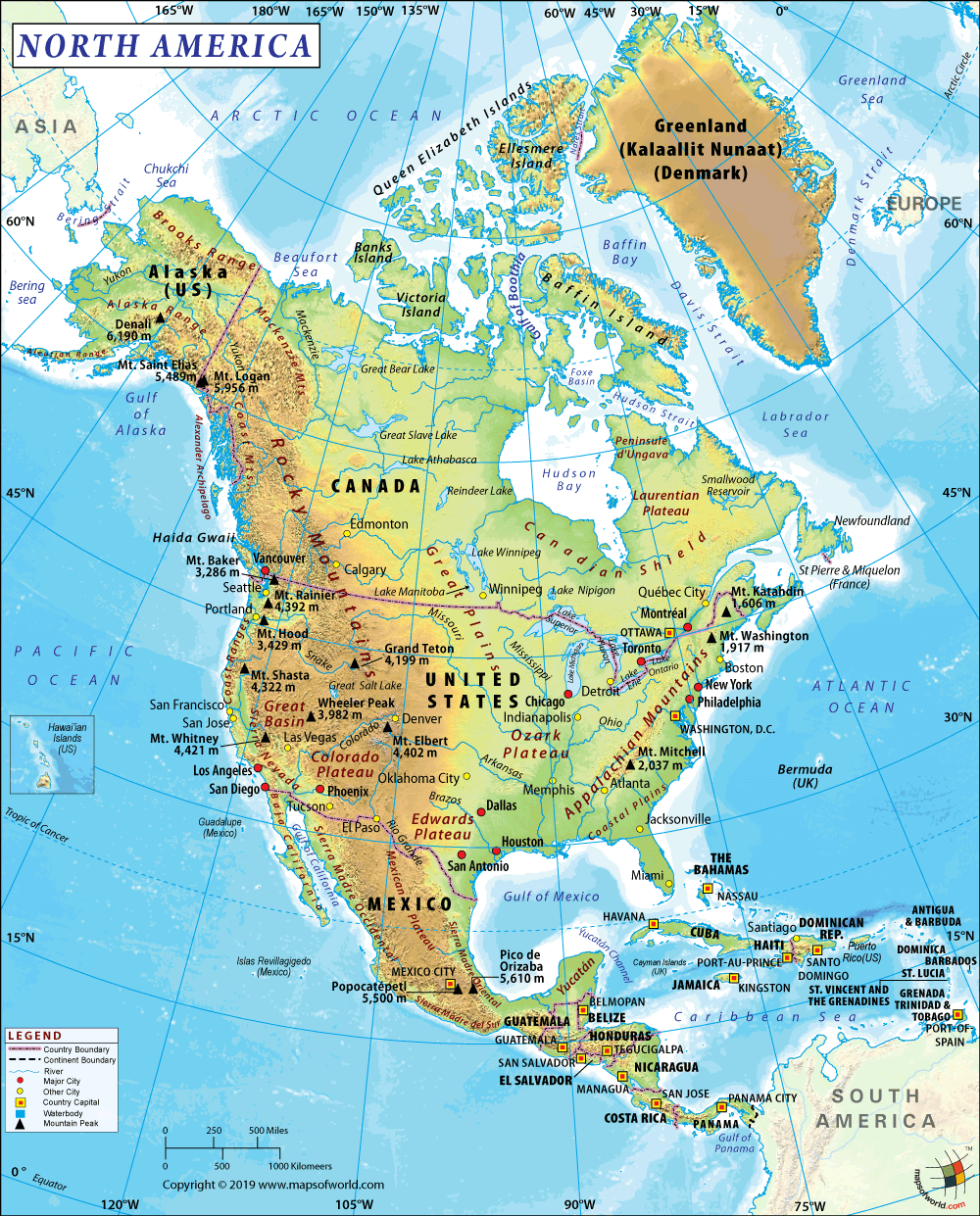
As of June 2026, the situation remains under close observation by both U.S. and Canadian authorities. Livestock producers are urged to maintain high standards of biosecurity and to report any suspicious cases to their local veterinary authorities immediately. Official updates regarding the status of the outbreak and any potential adjustments to trade requirements will be posted on the USDA APHIS website as they become available.
We will continue to provide updates as new information is released by the relevant agricultural departments. Please share your thoughts or questions in the comments section below as we monitor this ongoing agricultural health concern.
Keep reading