
The long-standing tension between the Australian government and the world’s most powerful technology companies has entered a new, more aggressive phase. On April 28, 2026, the Albanese Government released draft legislation for a new News Bargaining Incentive
(NBI), a policy designed to force digital platforms into commercial agreements with local news publishers or face a direct financial penalty.
This move represents a significant escalation from the original News Media Bargaining Code, shifting the strategy from a mediation-based framework to a revenue-based levy. The proposed legislation targets tech giants—specifically naming Alphabet (Google), Meta, and TikTok—aiming to ensure the long-term sustainability of public interest journalism in an era of declining ad revenue and the rise of AI-generated content.
For the global tech industry, the NBI is a signal that Australia is unwilling to let the “bargaining power imbalance” persist. By introducing a tangible financial cost for non-compliance, the government is attempting to create a permanent incentive for platforms to pay for the news content that drives user engagement and advertising spend on their services.
The News Bargaining Incentive: How the Levy Works
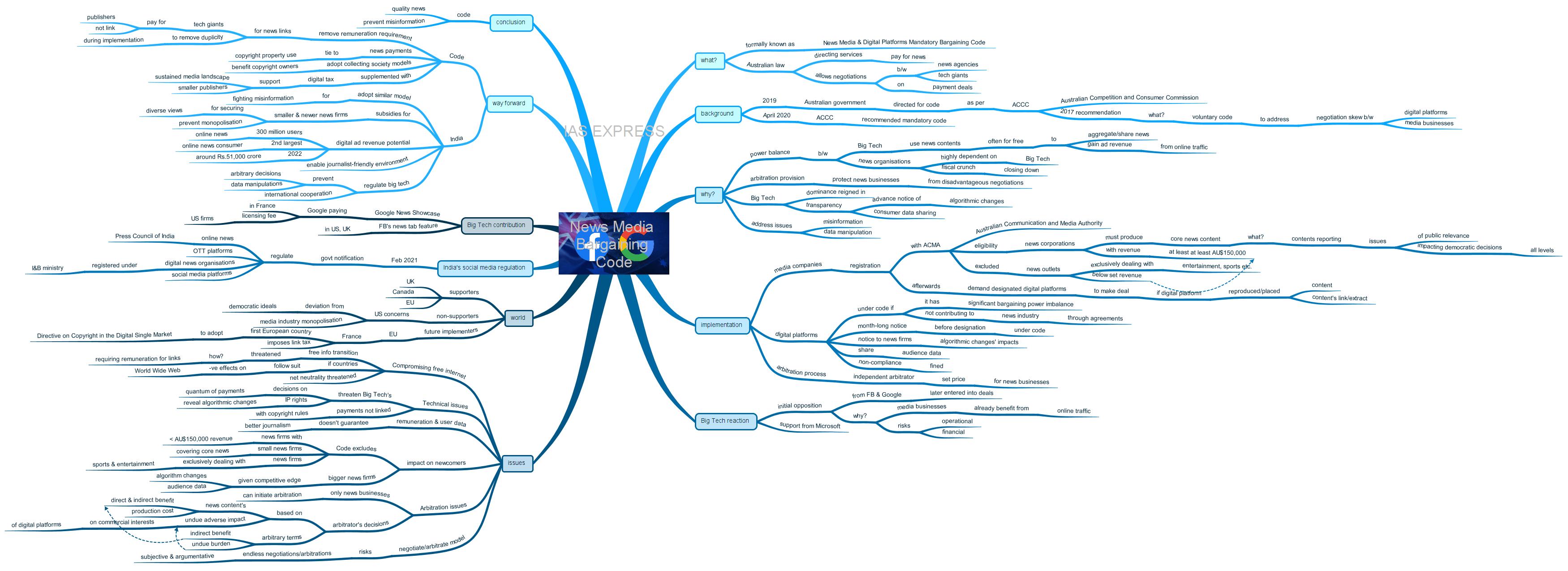
Unlike its predecessor, which relied heavily on a process of negotiation and arbitration overseen by the Australian Communications and Media Authority (ACMA), the News Bargaining Incentive introduces a more direct fiscal mechanism. According to draft legislation released on April 28, 2026, the government proposes a flat tax of 2.25% of all revenue earned in Australia by designated tech giants unless they enter into commercial deals with local publishers.
This 2.25% levy acts as a “backstop” or a penalty for platforms that refuse to negotiate in good faith. If a platform chooses to pay the levy rather than strike individual deals, the funds will not go into general government coffers. Instead, the government is developing a Statutory Payment Scheme
to distribute this revenue specifically to support public interest journalism across the country.
The shift to a percentage-of-revenue model is designed to scale with the growth of the platforms. As tech companies expand their footprint in the Australian market—particularly through new AI integrations and short-form video advertising—the cost of refusing to bargain increases proportionally.
From the Bargaining Code to the NBI: Why the Change?
To understand the NBI, one must look at the origins of the News Media Bargaining Code. Launched years ago, the Code was a pioneering attempt to address the dominance of Google and Meta over the distribution of news. While it successfully brokered hundreds of millions of dollars in deals for major publishers, critics argue it created a “two-tier” system where larger media conglomerates benefited while smaller, regional, and independent outlets were left behind.
The Albanese Government has identified a critical limitation in the original Code: the lack of a guaranteed financial outcome if negotiations failed. The NBI is intended to close this gap by removing the “opt-out” capability that some platforms have historically leveraged. By imposing a direct tax on revenue, the government is effectively changing the calculation for Big Tech from should we pay?
to how do we minimize the cost of paying?
This evolution too reflects the changing nature of the internet. The rise of generative AI has complicated the relationship further, as platforms now use news content not just to link to articles, but to train Large Language Models (LLMs) that can summarize news without the user ever visiting the publisher’s site. This “zero-click” environment has accelerated the urgency for a more robust payment mechanism.
Industry Backlash and Publisher Hope
The reaction from the technology sector has been swift and critical. In reports following the announcement, representatives from Big Tech have pushed back against the plan, arguing that such levies could stifle innovation and potentially lead to the degradation of the user experience for Australians. Some industry advocates suggest that a revenue tax is a blunt instrument that ignores the actual value provided by the platforms in terms of traffic and visibility.
Conversely, news publishers see the NBI as a necessary lifeline. For many local newsrooms, the transition to digital has been a financial struggle, as platforms capture the vast majority of the advertising value generated by journalistic work. The prospect of a Statutory Payment Scheme offers hope that funding will be distributed more equitably, reaching the “hyper-local” news outlets that are critical for democratic accountability but often ignored by the biggest tech platforms during private negotiations.
The debate now centers on what constitutes a media outlet
. Some critics have pointed out that the definitions in the draft legislation may still be too narrow, potentially excluding digital-native journalists or niche publications that do not fit traditional media molds.
Key Takeaways of the News Bargaining Incentive
- The Levy: A proposed 2.25% tax on total Australian revenue for non-compliant tech giants.
- The Target: Specifically targets large digital platforms, including Google, Meta, and TikTok.
- The Goal: To force commercial agreements between platforms and news publishers to sustain public interest journalism.
- The Distribution: Revenue collected via the levy will be distributed through a new Statutory Payment Scheme.
- The Shift: Moves from a mediation-led process (Bargaining Code) to a financial penalty-led process (NBI).
The Path Forward: Consultation and Implementation
The draft legislation is currently open for public consultation, a process that allows stakeholders—including tech companies, news publishers, and civil liberties groups—to submit feedback on the proposed framework. This period is critical, as it will determine the final percentage of the levy and the specific criteria for which news organizations are eligible to receive funds under the Statutory Payment Scheme.
The government’s objective is to move from consultation to legislation rapidly, ensuring that the incentive is in place to match the current cycle of digital transformation. If the NBI is successfully implemented, it could serve as a global blueprint for other nations struggling to balance the power of digital platforms with the survival of a free press.
The next confirmed checkpoint is the conclusion of the current consultation period, after which the government will review the submissions to finalize the bill for parliamentary introduction. For those following the development, official updates and the opportunity to provide feedback can be found via the Department of Infrastructure, Transport, Regional Development, Communications, Sport and the Arts.
Do you believe a revenue-based levy is the right way to support journalism, or does it unfairly penalize tech innovation? Share your thoughts in the comments below and share this article with your network.
Worth a look