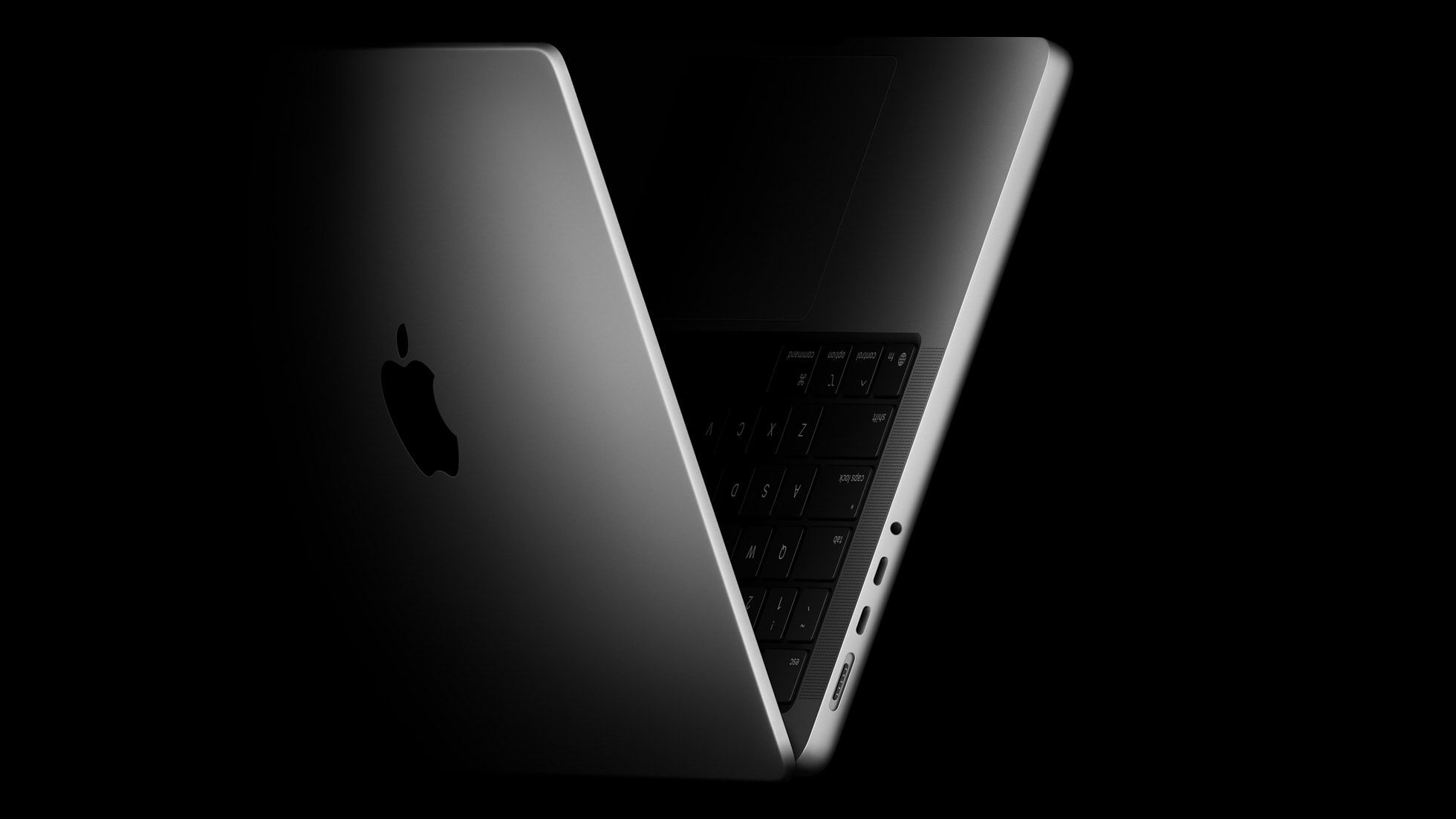
Apple is developing a high-end laptop, potentially branded as the MacBook Ultra, that will feature a thinner chassis and an OLED display to replace current mini-LED technology. According to reports from Bloomberg and research firm Omdia, the redesign marks the most substantial external changes to the MacBook Pro line since 2021, with a projected release window between late 2026 and early 2027.
The shift to a hybrid OLED panel is the primary driver for the new form factor. Because OLED does not require the separate backlight layer used in mini-LED displays, Apple can reduce the physical thickness of the lid. This aligns with a broader corporate objective to produce the thinnest and lightest products in their categories across the tech industry, according to Mark Gurman of Bloomberg.
Since 2021, every 14-inch and 16-inch MacBook Pro has maintained a consistent thickness of 0.61 inches (15.5mm) across four generations of silicon. While a specific target measurement for the new model has not been reported, the reduction in lid thickness is expected to be the most pronounced change in the machine’s profile.
Transition to OLED and the Dynamic Island
The most visible change to the display will be the removal of the notch. A roadmap from Omdia, later corroborated by Bloomberg, indicates that Apple will replace the notch with a pill-shaped hole-punch camera. This cutout is designed to house an interactive Dynamic Island.
This hardware shift changes how the macOS menu bar functions. Instead of being split into two sections by a notch, the menu bar will exist as a continuous strip interrupted only by the small island. Evidence of this transition appears in software; the “Search or Ask” interface within Spotlight in macOS 27 utilizes a dark, pill-shaped design that aligns with the reported physical cutout.
Display dimensions are also expected to increase slightly. Omdia reports that Samsung Display will supply panels measuring 14.3 inches and 16.3 inches, up from the current 14.2-inch and 16.2-inch displays currently in use. Because these larger screens will fit into a largely unchanged chassis, the result will be narrower borders surrounding the screen.
Structural Changes and Retained Features
To compensate for the thinner profile, Apple is reportedly fitting a reinforced hinge. This modification aims to eliminate display wobble when the screen is tapped, ensuring the lighter lid remains stable during use. It remains to be seen whether the lid will also tilt further back than the current model, which stops relatively early for structural reasons.
Despite the “true overhaul” described by Gurman, several core elements will remain unchanged to maintain professional utility. Bloomberg reported in February that the device will look a lot like the current MacBook Pro, specifying that the keyboard and trackpad would be retained and that the device would remain a conventional clamshell in 14-inch and 16-inch sizes, rather than a detachable or convertible design.
Connectivity remains a priority for the high-end line. HDMI, MagSafe, and the SD card slot—all of which were reinstated in the 2021 redesign after an unpopular absence—are expected to remain. No report has suggested they will be removed again.
Release Timeline and Market Impact
The arrival of this new hardware is tied closely to supply chain stability. Mark Gurman expects the laptop to arrive between late 2026 and early 2027. The later window is now considered more likely owing to the global memory chip shortage.
The influence of this design is expected to trickle down to other models. Reports suggest that the entry-level 14-inch MacBook Pro, due in 2027, will resemble it.
Worth a look