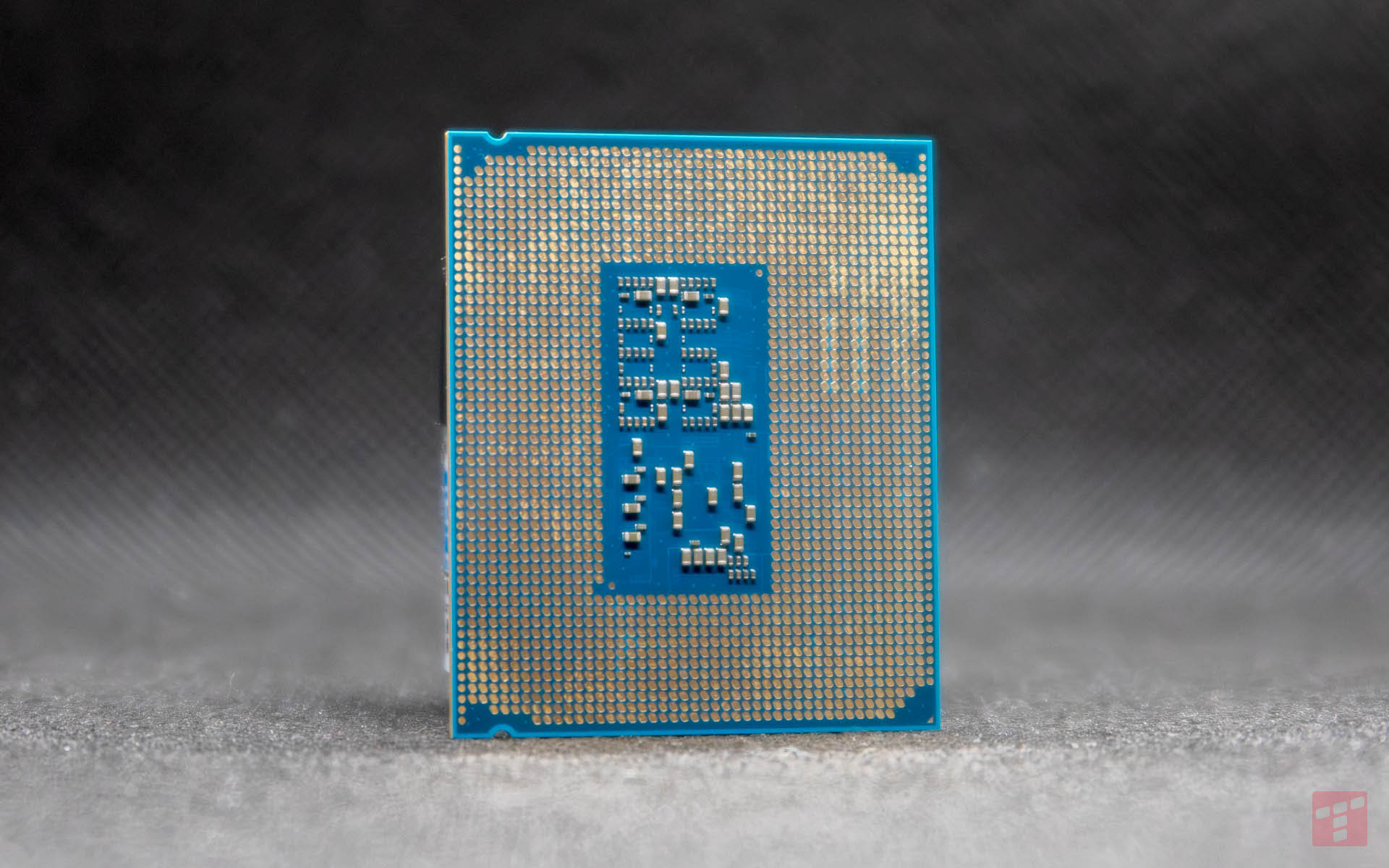
Intel is raising the manufacturer’s suggested retail price (MSRP) for specific upcoming processors in its Core Ultra lineup, citing high consumer demand as the primary driver for the cost increase. Reports indicate that the price adjustments target the Core Ultra 7 270K Plus and Core Ultra 5 250K Plus models, which are associated with the Arrow Lake Refresh series.
According to reporting from several technology outlets, including Telepolis and Benchmark.pl, the price hikes for these popular models may reach as much as $50. The company has not issued a formal global press release detailing the specific price tiers for these “Plus” variants, but the adjustments have begun appearing in market data and retailer projections.
The price increase occurs as Intel continues to transition its consumer desktop market toward the Intel Core Ultra 200S series, which emphasizes power efficiency and integrated AI capabilities. The shift in pricing for the Refresh models suggests a strategic response to supply-and-demand dynamics within the high-end CPU segment.
Which Intel processors are seeing price increases?
The price adjustments specifically target the “Plus” versions of the upcoming Arrow Lake Refresh lineup. The two primary models identified in current reports are the Core Ultra 7 270K Plus and the Core Ultra 5 250K Plus. While the standard Core Ultra 200 series established the baseline for the new architecture, these refreshed versions are expected to offer incremental performance gains, which Intel is leveraging to justify higher MSRPs.

Industry data cited by Benchmark.pl suggests a price jump of up to $50 over previous expectations for these specific SKUs. This pricing strategy differs from the typical product lifecycle, where “Refresh” models often maintain the price points of their predecessors to remain competitive against AMD’s Ryzen offerings.
Why is Intel raising prices on Arrow Lake Refresh CPUs?
Intel has attributed the pricing shift to very high demand for the new architecture. The Arrow Lake series represents a significant departure from previous generations, moving toward a disaggregated tile design that separates the compute, graphics, and SoC functions. This architecture is designed to reduce power consumption while increasing per-core efficiency, a move that has seen strong initial interest from both gamers and professional creators.
Beyond direct demand, the semiconductor industry continues to face volatility in component costs. While the “crisis” mentioned by some outlets, such as dailyweb, primarily refers to the volatility in RAM and memory pricing, the ripple effects often extend to motherboard and CPU bundles. By increasing the MSRP now, Intel may be buffering against fluctuating manufacturing costs associated with the advanced process nodes used in the Arrow Lake series.
How does this affect the broader CPU market?
The decision to raise prices on mid-to-high-tier chips like the Ultra 5 and Ultra 7 models puts additional pressure on the consumer budget for new PC builds. Historically, the Core Ultra 5 series has served as the “sweet spot” for mainstream users, while the Ultra 7 targets the enthusiast market. A $50 increase in these segments can influence buyers to either stick with older 14th Gen Intel Core processors or migrate toward AMD’s X3D series.
Market analysts note that Intel’s current position is precarious due to the stability issues that plagued 13th and 14th Gen processors. By introducing the Core Ultra series with a focus on stability and efficiency, Intel aims to regain trust. However, raising prices during a period of brand recovery is a risky maneuver that relies heavily on the actual performance gains of the “Plus” models outweighing the cost increase.
The impact is not limited to the CPUs alone. Because the Arrow Lake Refresh requires specific socket compatibility and often paired high-speed memory, the total cost of ownership for a system upgrade is rising. Users looking to move to the Intel Core Ultra platform must now account for both the increased CPU MSRP and the cost of compatible Z890 or similar chipsets.
Comparing the reported price shifts
While official global pricing tables have not been fully published by Intel for every region, the reported increases show a consistent trend across European and North American tech monitors. The following table summarizes the reported changes based on current industry data:
| Processor Model | Status | Reported Price Change | Primary Driver |
|---|---|---|---|
| Core Ultra 7 270K Plus | Arrow Lake Refresh | Up to +$50 | High Demand |
| Core Ultra 5 250K Plus | Arrow Lake Refresh | Up to +$50 | High Demand |
What happens next for Intel consumers?
Consumers currently planning a build should monitor official MSRP listings on the Intel ARK database and authorized retailer sites. Because these price hikes were described by some outlets as “quiet” increases, they may appear as gradual shifts in retail pricing rather than a single, announced price jump.
The next critical checkpoint for the market will be the full retail rollout of the Arrow Lake Refresh series. This will reveal whether the “Plus” models provide enough of a performance leap to justify the $50 premium over the standard Core Ultra 200S chips. Additionally, the market will be watching for any corresponding price adjustments from AMD, which typically reacts to Intel’s pricing movements to maintain market share in the enthusiast segment.
For those seeking the best value, the current standard Core Ultra 200S models may become more attractive as the “Plus” variants drive the ceiling of the price range higher.
Do you think the performance gains of the “Plus” series justify a price increase, or is this a misstep by Intel? Share your thoughts in the comments below.