
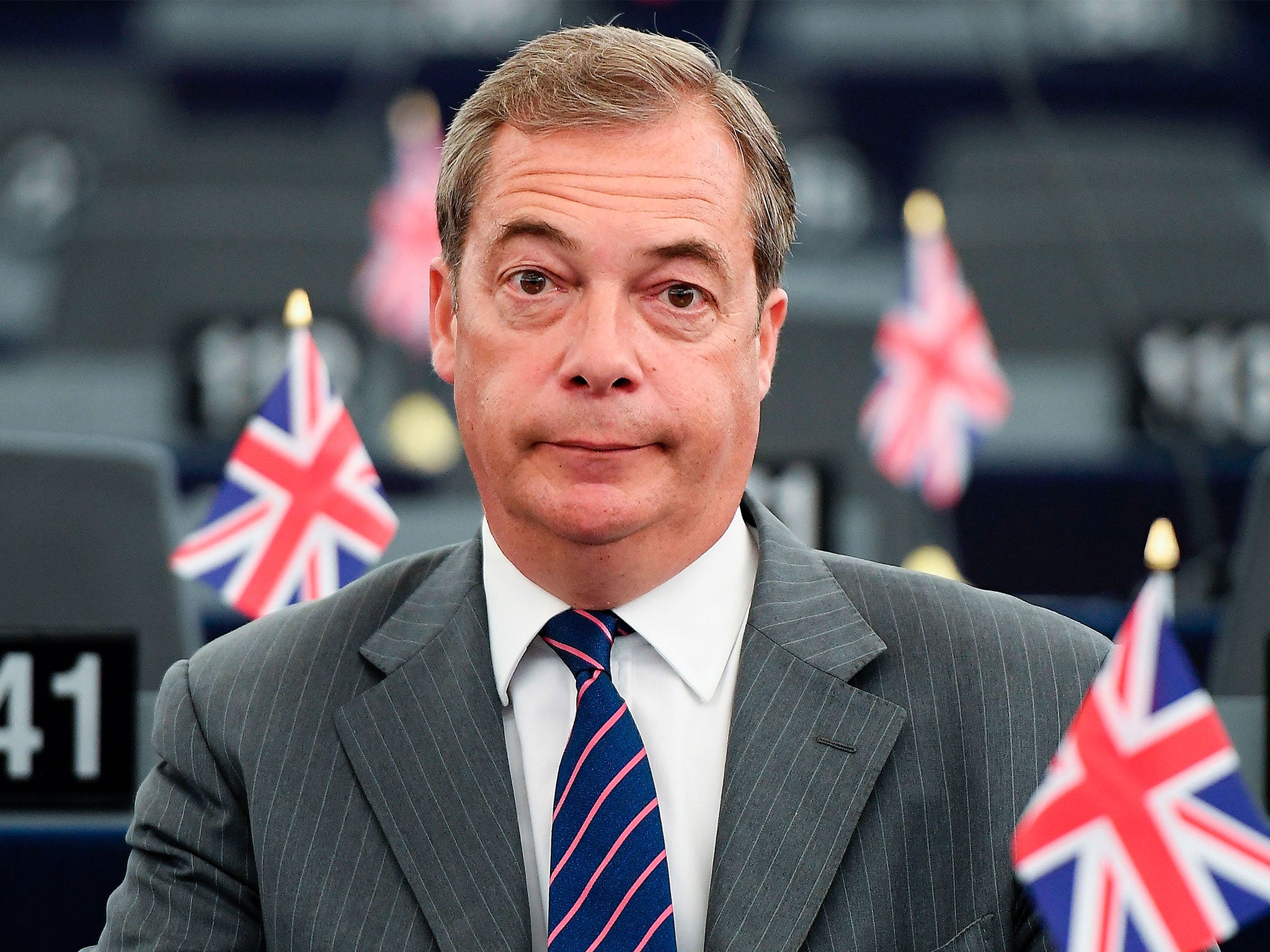
Nigel Farage, the leader of Reform UK, has drawn significant public and political scrutiny following his commentary regarding the death of Henry Nowak. In the wake of the student’s killing, Farage issued a statement that utilized the phrase “white lives matter” and called for a “change in culture,” asserting that the nation must address what he termed “anti-white prejudice.” The remarks have ignited a fierce debate, with critics accusing the politician of exploiting a tragedy to advance a divisive political narrative.
The incident centers on the death of Henry Nowak, a student whose life was cut short in an event that has since prompted a formal police investigation and the arrest of a suspect identified as a Sikh man. While the legal proceedings are ongoing, Farage’s intervention has shifted the focus of the discourse from the specific circumstances of the crime toward broader, highly charged questions regarding race, societal integration, and the rhetoric used by public figures in the aftermath of violent acts.
The Context of the Political Controversy
Farage’s comments were delivered in an emergency statement that sought to frame the tragedy within a wider narrative of perceived cultural decline. By explicitly invoking the phrase “white lives matter”—a slogan frequently associated with groups opposing the Black Lives Matter movement—Farage has been accused by various observers of adopting extremist rhetoric. The use of such language in the context of a murder investigation is being viewed by many as an attempt to polarize public opinion.
The reaction from political opponents and community leaders has been swift, with many arguing that politicizing a murder investigation undermines the pursuit of justice. The suspect remains in custody following an arrest by police, and authorities have emphasized that the investigation is active and ongoing. As the case moves toward potential court proceedings, the conduct of political leaders like Farage remains a subject of intense public discussion regarding the boundaries of acceptable political expression.
Why the Rhetoric Matters
The use of inflammatory language by prominent political figures often carries significant weight in the public sphere. When a leader of a national party chooses to highlight the race or background of a suspect while simultaneously using slogans linked to racial tension, it can influence how the public perceives both the crime and the communities involved. For many, Farage’s comments are seen as an attempt to cultivate a specific grievance-based identity among his supporters.
Sociologists and political analysts often point out that such rhetoric can have real-world consequences, potentially exacerbating social divisions. By framing the murder as evidence of a need to change the national culture, Farage is effectively arguing that the current social framework is failing a specific segment of the population. Whether this approach resonates with the broader electorate remains to be seen, but it has certainly solidified his position at the center of a volatile national conversation.
The Path Toward Legal Resolution
As the legal process continues, the focus of the public and the media remains on the judicial system’s ability to handle the case impartially. The arrest of the suspect, which was confirmed by law enforcement, marks the first step in a long process that will eventually see the evidence presented in a court of law. Legal experts suggest that the politicization of such cases often complicates the environment in which a fair trial must take place, as public sentiment becomes increasingly hardened by political commentary.
The next major checkpoint in this story will be the formal charging of the suspect and the subsequent court hearings where the details of the investigation will be made public record. Until that time, the discourse surrounding the tragedy is likely to remain dominated by the clash between those who believe Farage is highlighting a legitimate social issue and those who believe he is engaging in dangerous exploitation of a grieving family’s loss. Readers are encouraged to follow official updates from the police and the judiciary for the most accurate information regarding the status of the investigation.
What are your thoughts on how political leaders should address violent crimes? Join the conversation by sharing your perspective in the comments section below.