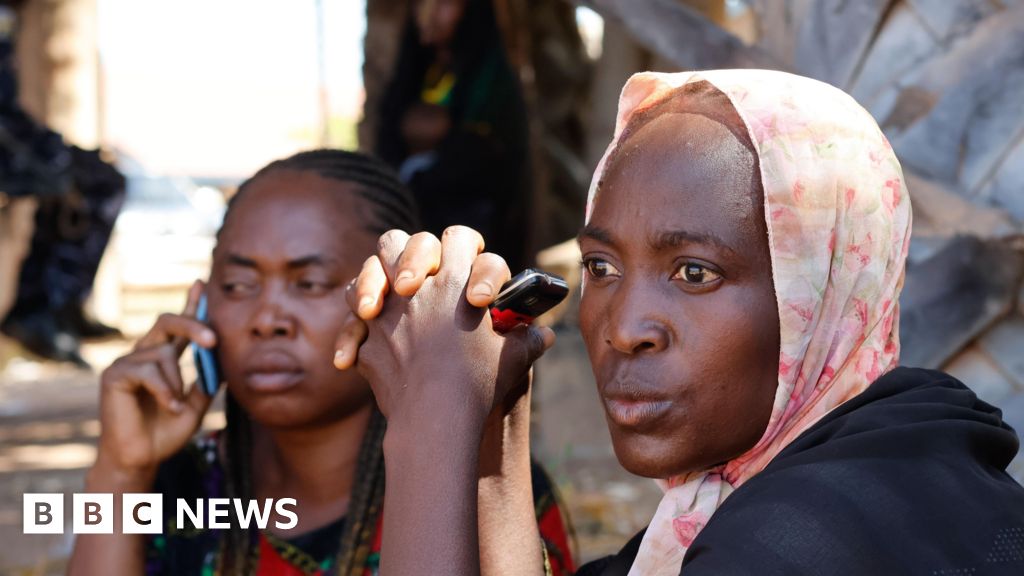
Nigerian students Released After Mass Kidnapping – A deep Dive into the Crisis and What It Means for You
The recent release of over 250 students and 12 staff members kidnapped from St. Mary’s Catholic School in Papiri, Niger State, marks a temporary reprieve in a deeply concerning trend of mass abductions plaguing North and Central Nigeria. Confirmed by Niger State Police Chief Adamu Abdullahi Elleman and Bishop Bulus Dauwa Yohanna, the local Catholic leader, this news offers a glimmer of hope amidst a growing security crisis. However, the details surrounding the release remain shrouded in uncertainty, and the underlying issues demand a closer examination.
As someone who has followed the escalating security situation in Nigeria for years, I want to provide you with a comprehensive understanding of what happened, what we know, and what this means for the future.
The Kidnapping and release: What we certainly know So Far
Here’s a breakdown of the key facts:
* The Incident: On November 21st, over 250 students and 12 staff were abducted from St. mary’s Catholic School in papiri.
* Confirmation of Release: Authorities, including the President’s National Security Advisor, have confirmed the students’ release.
* Reunion with Families: While released, the students haven’t yet been reunited with their parents. Bishop Yohanna suggests authorities are prioritizing processing and support.
* Details Remain Vague: The method of release – negotiation, force, or ransom payment – remains unclear.
* Government Involvement: Governor Abdullahi Sule of Nasarawa State emphasized the federal government’s crucial role, but details are being withheld for security reasons.
* Assurances from Security Advisor: National Security Advisor Nuhu Ribadu previously assured the community of the students’ imminent rescue.
A Wave of abductions: This Isn’t an Isolated Incident
The kidnapping at St. mary’s isn’t an isolated event.It’s part of a disturbing pattern of mass abductions that have surged in recent weeks. Consider these recent incidents:
* November 18th (Kwara State): Two killed, 38 abducted from Christ Apostolic Church. All have since been freed.
* November 17th (Kebbi State): Two killed,25 Muslim students abducted from Government Girls’ Secondary School. Thay have also been released.
* Recent Attacks (Last Week): At least 20 people abducted in Kogi and Sokoto states, targeting both churches and wedding parties.
This escalating frequency highlights a critical breakdown in security and a growing vulnerability of schools and places of worship.
Who is Behind These Attacks? The Complexities of the Situation
Pinpointing the perpetrators is proving difficult. While most analysts believe criminal gangs motivated by ransom payments are responsible, the Nigerian government suggests the involvement of jihadist groups.This ambiguity complicates efforts to address the root causes and implement effective solutions.
it’s critically important to understand that the situation is multifaceted. You’re likely seeing a convergence of factors:
* Criminal Gangs: Driven by financial gain, these groups exploit security vulnerabilities.
* Jihadist Groups: possibly seeking to destabilize the region and expand their influence.
* Socio-Economic Factors: Poverty, unemployment, and lack of chance contribute to the surroundings where these groups thrive.
The Ransom Dilemma: A vicious Cycle
Nigeria has outlawed the payment of ransoms in an attempt to disrupt the funding of kidnapping gangs. However, reports suggest that money is still changing hands in many cases. This creates a dangerous cycle:
* Incentivizes Kidnappings: Paying ransoms encourages further abductions.
* Funds Criminal Activity: Provides resources for gangs to expand their operations.
* Undermines Rule of Law: Erodes confidence in the government’s ability to protect its citizens.
Breaking this cycle requires a multi-pronged approach, including strengthening law enforcement, addressing socio-economic grievances, and potentially exploring option strategies for securing releases without resorting to ransom payments.
International Attention and the broader Context
The crisis has garnered international attention, most notably with former US President donald Trump’s offer to send troops if the killings of Christians continued.Though, Nigerian officials and analysts emphasize that people of all
Worth a look
- City Tourism Boom: Arrivals Expected to Reach Over 70% of Population
- Jennie’s Surprise Performance with Tame Impala in Boston
- Sean Diddy Combs Sent to Solitary Confinement After Prison Fight and Release Date Moved (newsdirectory3.com)
- Sean Diddy Combs Prison Release Date Moved Up Amid Sentence Backlash (news-usa.today)