Pakistan Assures Uninterrupted Electricity and Gas Supply During Ramadan
Islamabad – With the holy month of Ramadan expected to start on Thursday, the Pakistani government has moved to reassure citizens that electricity and gas supplies will remain uninterrupted during Sehr (pre-dawn meal) and Iftar (fast-breaking meal) times. The pledge, delivered in a joint press conference on Wednesday, aims to alleviate concerns about potential power outages and gas shortages during a period of heightened religious observance and increased energy demand. This commitment comes as Pakistan prepares for the month-long period of fasting, prayer and community, a cornerstone of Islamic tradition.
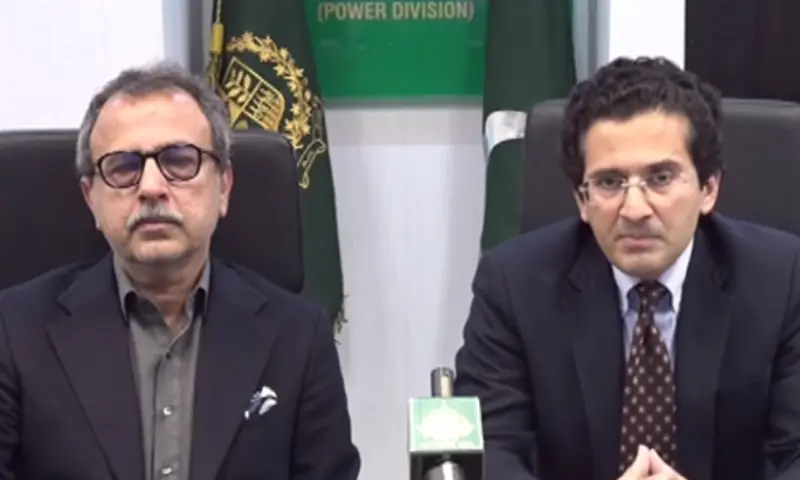
Federal Minister for Petroleum Ali Pervaiz Malik and Power Minister Awais Leghari jointly announced the measures, stating that all possible steps have been taken to ensure a consistent energy supply across the country. The decision, they emphasized, was made at the direction of Prime Minister Shehbaz Sharif, reflecting a commitment to facilitate the religious practices of the nation’s Muslim population. The government’s proactive approach seeks to avoid disruptions that could impact those observing the fast, particularly during the crucial hours of Sehr and Iftar.
The assurances come amid ongoing concerns about Pakistan’s energy infrastructure and its ability to meet peak demand, particularly during the winter months. However, Minister Malik asserted that the gas supply situation this winter has been comparatively better than in previous years, suggesting improvements in supply chain management and distribution. The government’s commitment to maintaining supply during Ramadan is a significant step towards addressing these concerns and providing relief to consumers.
Specific Measures to Ensure Uninterrupted Supply
To guarantee uninterrupted service, the government has outlined specific arrangements for both electricity and gas. For electricity, officials stated that load shedding will be “absolutely” avoided in all areas during Sehr and Iftar, with the exception of unforeseen major faults. Even areas typically subject to economic load shedding due to high transmission losses will witness restrictions lifted during these critical times. This commitment extends to ensuring a stable power supply for both residential and commercial consumers.
Regarding gas supply, arrangements have been made to maintain maximum pressure from 3:00 AM to 10:30 PM, specifically catering to the needs of those preparing for Sehr and breaking their fast at Iftar. Sui Northern Gas Pipelines Limited (SNGPL) and Sui Southern Gas Company (SSGC), the two primary gas distribution companies in Pakistan, have been directed to closely monitor regional supply, particularly in areas at the “tail ends” of the distribution network, to prevent any disruptions. The SSGC has already issued a supply schedule for Karachi and surrounding areas, detailing gas availability from 3:00 AM to 9:00 AM for Sehr and 3:30 PM to 10:00 PM for Iftar, with potential suspension outside these hours to manage overall demand.
To facilitate swift resolution of any issues, the government has established special control rooms at the Pakistan Industrial Development Corporation (PIDC) for electricity monitoring and at the headquarters of both SNGPL and SSGC for gas supply oversight. Dedicated helplines – 118 for electricity and 119 for gas – have been activated to allow consumers to report any problems immediately. Officials have pledged prompt attention to all complaints received through these channels.
Sindh Assembly Calls for Action, Ramadan Moon Sighting
The commitment to uninterrupted utility services has received support from provincial legislatures. On Tuesday, the Sindh Assembly unanimously passed a resolution calling for an end to gas load shedding during Sehr and Iftar, demonstrating a broad consensus on the importance of ensuring a smooth Ramadan for citizens. Sindh Senior Minister Sharjeel Inam Memon confirmed that a formal request had been submitted to the federal government.
The timing of these announcements coincides with the sighting of the Ramadan moon in various parts of the world on Tuesday night. Pakistan is now anticipating the commencement of the holy month with the first fast on Thursday. The government’s proactive measures are intended to ensure that citizens can fully participate in Ramadan’s spiritual observances without the added stress of potential utility disruptions. The sighting of the moon in Saudi Arabia and the UAE, as reported on Wednesday, served as a key indicator for Pakistan’s own lunar calendar.
Ramzan moon sighted in Saudi Arabia, UAE. #Ramzan #Ramadan #RamzanMoon— Gulf News (@gulf_news) February 19, 2026
Ensuring Accountability and Addressing Potential Challenges
Although the government’s assurances are welcome, the success of these measures will depend on effective implementation and monitoring. The establishment of control rooms and dedicated helplines is a positive step towards ensuring accountability and providing a responsive mechanism for addressing any issues that may arise. The close collaboration between the federal government, SNGPL, and SSGC will be crucial in maintaining a stable supply, particularly in areas prone to gas shortages.
The government’s commitment to prioritizing utility services during Sehr and Iftar reflects a broader understanding of the importance of Ramadan for the Pakistani population. By minimizing disruptions to daily life during this sacred month, the government aims to foster a sense of community and facilitate the religious observances of its citizens. The focus on maintaining supply during peak hours demonstrates a sensitivity to the needs of those who are fasting and a commitment to ensuring a peaceful and fulfilling Ramadan for all.
Looking ahead, the government will continue to monitor the situation closely and address any challenges that may emerge. Regular updates will be provided to the public, and the dedicated helplines will remain active throughout Ramadan to address any concerns. The success of these efforts will be a key indicator of the government’s commitment to providing reliable and affordable energy to its citizens.
The next key development will be the ongoing monitoring of gas and electricity supply throughout the first week of Ramadan, with officials expected to provide a preliminary assessment of the effectiveness of the implemented measures by February 26th. Citizens are encouraged to utilize the designated helplines (118 for electricity, 119 for gas) to report any disruptions and contribute to a smooth and uninterrupted Ramadan experience. Share your experiences and feedback in the comments below.
Keep reading