
The transition to renewable energy in the North Sea is facing significant headwinds, as major energy companies grapple with the economic realities of offshore wind projects. The ambitious shift toward sustainable power generation, once seen as a cornerstone of European climate policy, is currently navigating a period of financial re-evaluation and strategic recalibration. For investors and energy analysts, the current climate underscores the inherent complexities in scaling green infrastructure against a backdrop of volatile global markets and shifting supply chain costs.
At the heart of the current discourse is the financial viability of large-scale offshore wind farms. While the European Union has set aggressive targets under the European Green Deal to achieve climate neutrality by 2050, the practical implementation of these goals requires massive capital expenditure. Recent reporting indicates that several energy majors are scrutinizing the profitability of their existing offshore portfolios, leading to a broader conversation about the risks associated with multi-billion-euro investments in deep-water energy generation.
The Economic Landscape of Offshore Wind
The economics of offshore wind are heavily influenced by interest rates, raw material costs, and the regulatory frameworks governing site auctions. According to the WindEurope Annual Offshore Wind Report 2023, the sector has faced mounting pressure due to inflationary trends that have impacted the cost of turbines and subsea infrastructure. These financial pressures have prompted a strategic review among firms that previously committed significant capital to seabed leasing rights.

The challenge for these corporations lies in balancing long-term sustainability mandates with short-term shareholder expectations. When projects are bid upon years in advance, the financial models often assume stable costs for steel, copper, and specialized maritime logistics. However, recent global economic shifts have rendered some of these early projections overly optimistic, forcing companies to re-evaluate whether to proceed with development, seek renegotiations, or potentially divest from these massive geographic zones.
Regulatory Frameworks and Market Volatility
The regulatory environment, particularly the auction systems for offshore wind leases, plays a critical role in project success. In various jurisdictions, developers compete for rights by offering high upfront payments to governments, a process that can tie up substantial liquidity. As noted by the International Energy Agency (IEA), the stability of these auction designs is vital for maintaining investor confidence. When those designs are tested by market volatility, the risk profile of the entire energy transition increases.
For the average consumer and the broader market, the question remains: what happens when these projects face delays or cancellations? The impact is not merely financial; it directly affects the timelines for grid decarbonization. Policymakers are now tasked with determining whether to adjust current tender processes to provide more flexibility or to maintain the status quo, which some industry analysts argue may be insufficient to keep pace with decarbonization requirements.
Looking Ahead: Strategic Recalibration
As we move through 2026, the focus for energy firms is shifting toward efficiency and risk mitigation. The “late remorse” described by some market observers is less about an abandonment of renewable goals and more about a transition from an era of unchecked expansion to one of disciplined capital allocation. Companies are increasingly prioritizing projects with higher certainty and lower technical risk, a trend that is likely to reshape the competitive landscape for offshore wind in the coming years.
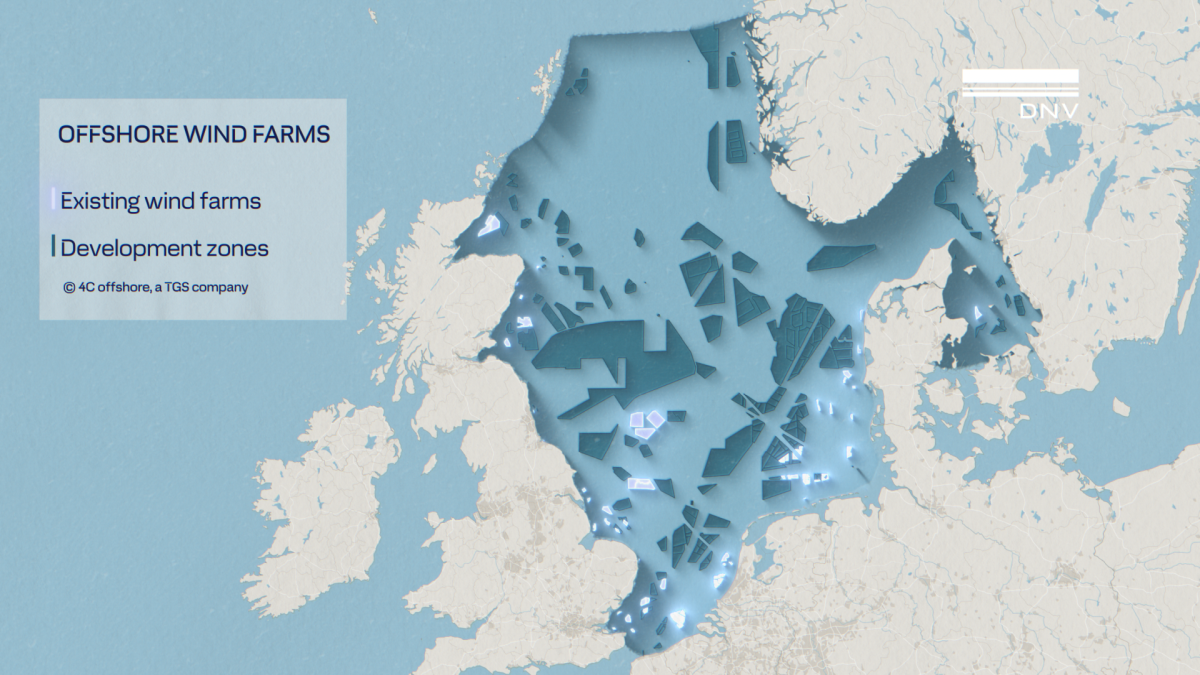
The next major checkpoint for the industry will be the upcoming series of Federal Network Agency (Bundesnetzagentur) offshore tenders, which are expected to provide further clarity on how developers are pricing risk in the current environment. Stakeholders are closely watching these developments to gauge the appetite for future investment in the North Sea.
I invite our readers to join the conversation. As the energy sector continues to evolve, your insights into the balance between economic feasibility and environmental necessity are invaluable. Please share your thoughts in the comments section below, and stay tuned to the World Today Journal for ongoing coverage of the global energy transition.
Related reading