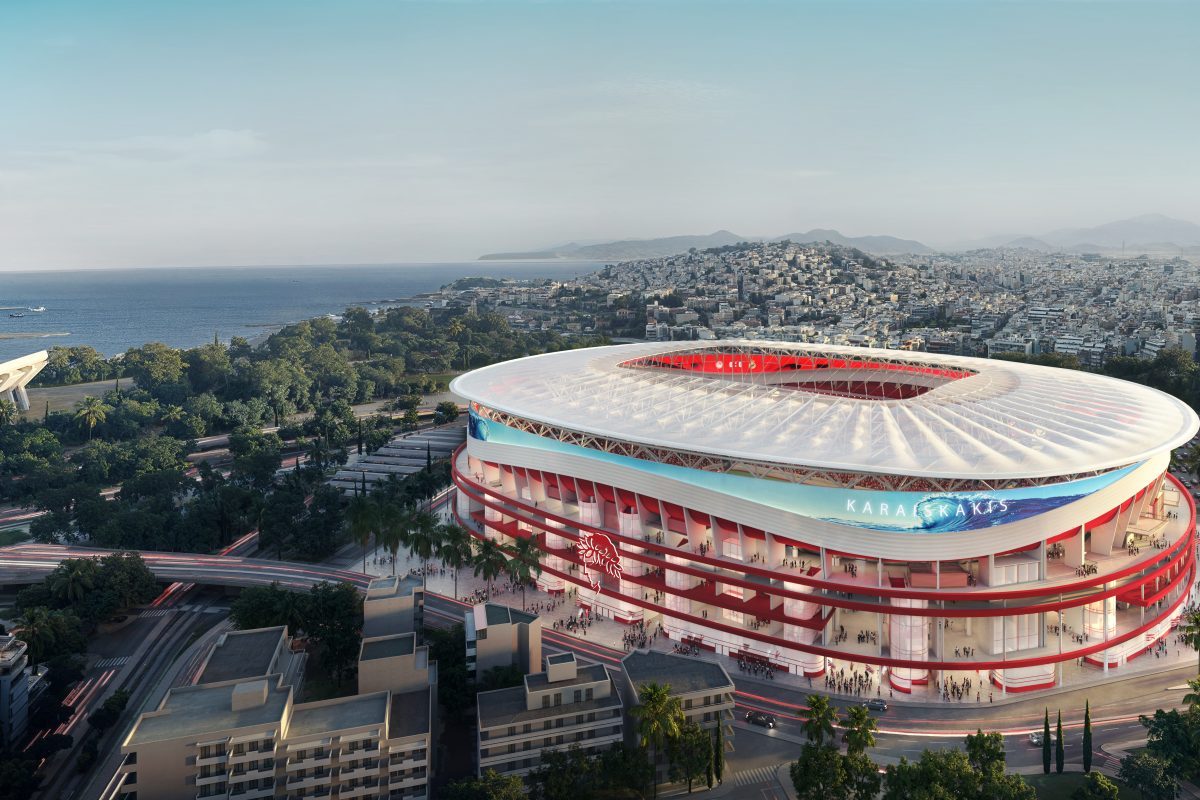
Evangelos Marinakis, the Greek shipping magnate and owner of Premier League side Nottingham Forest, has announced a significant investment in a new 53,000-capacity stadium project in Piraeus, Greece. The development, estimated to cost more than €250 million, is intended to serve as a modern home for Olympiacos FC, another club within the Marinakis portfolio, and aligns with his broader strategy of expanding his international sporting assets.
This stadium plan is separate from the ongoing efforts to redevelop the City Ground in Nottingham, England. While Marinakis has previously outlined ambitious visions for the future of his English club, the Piraeus project represents a distinct, high-value infrastructure commitment in the Greek market. These developments highlight the financial scale at which the billionaire is operating across his European football interests.
Infrastructure Plans for Olympiacos
The proposed Georgios Karaiskakis Stadium expansion in Piraeus is designed to function as a year-round venue, with Marinakis describing the project as a potential “technological marvel.” According to official statements from the club ownership, the facility will feature a bioclimatic roof and a multi-level hospitality area, drawing design inspiration from the Levi’s Stadium in California. The current plans detail a 2,000-square-metre media centre, which includes a 320-seat auditorium and 1,000 square metres of dedicated workspace for journalists.
Financing for the project is slated to come from Olympiacos and personal capital provided by Marinakis. The owner has emphasized that the facility is intended to operate 365 days a year, aiming to maximize revenue potential beyond match days. As of the latest updates provided by the ownership group, the development is positioned as a long-term asset intended to elevate the club’s profile within the Greek Super League and European competition.
Developments at the City Ground
In the United Kingdom, Marinakis remains focused on the long-term future of Nottingham Forest, where he has pursued plans to redevelop the City Ground. The proposal, which has been subject to various stages of regulatory review, aims to increase the stadium’s capacity from its current level of approximately 30,000 to roughly 52,500. This expansion would significantly alter the club’s match-day capacity and its standing among the largest stadiums in English football.
The financial commitment for the Nottingham project has been estimated at a substantial sum. Unlike the Piraeus stadium, which is currently undergoing a new phase of planning, the City Ground redevelopment has faced a more complex path involving local government negotiations and land-use discussions. As of the most recent public updates, the club has continued to engage with local stakeholders to navigate the planning requirements necessary for such a substantial expansion.
Financial Strategy and Portfolio Growth
Marinakis’s approach to stadium infrastructure reflects a broader trend among multi-club owners who seek to modernize facilities to drive commercial revenue. By investing in premium hospitality suites—such as the 100-plus suites planned for the Piraeus project—the ownership aims to create high-margin income streams that can support the clubs’ long-term financial sustainability.

The contrast between the two projects illustrates the different challenges facing stadium development in different jurisdictions. In Greece, the focus is on the construction of a high-tech, multipurpose arena. In Nottingham, the challenge involves the structural expansion of a historic site within a constrained urban environment. Both projects are financed through a combination of corporate resources and the personal wealth of the ownership group, reflecting the billionaire’s commitment to his sporting portfolio.

While both projects are in different stages of development, they serve as indicators of the capital expenditure currently being deployed by the Marinakis group. Observers of the European football market continue to monitor these developments as they impact both the local economies of Piraeus and Nottingham. Further updates regarding the specific timelines for construction and regulatory approvals are expected as the respective planning processes proceed.
Readers interested in the progress of these infrastructure projects can look for upcoming filings with the relevant local planning authorities in Piraeus and Nottingham. As these initiatives move from concept to construction, official statements from the clubs will remain the primary source for verified project milestones.