
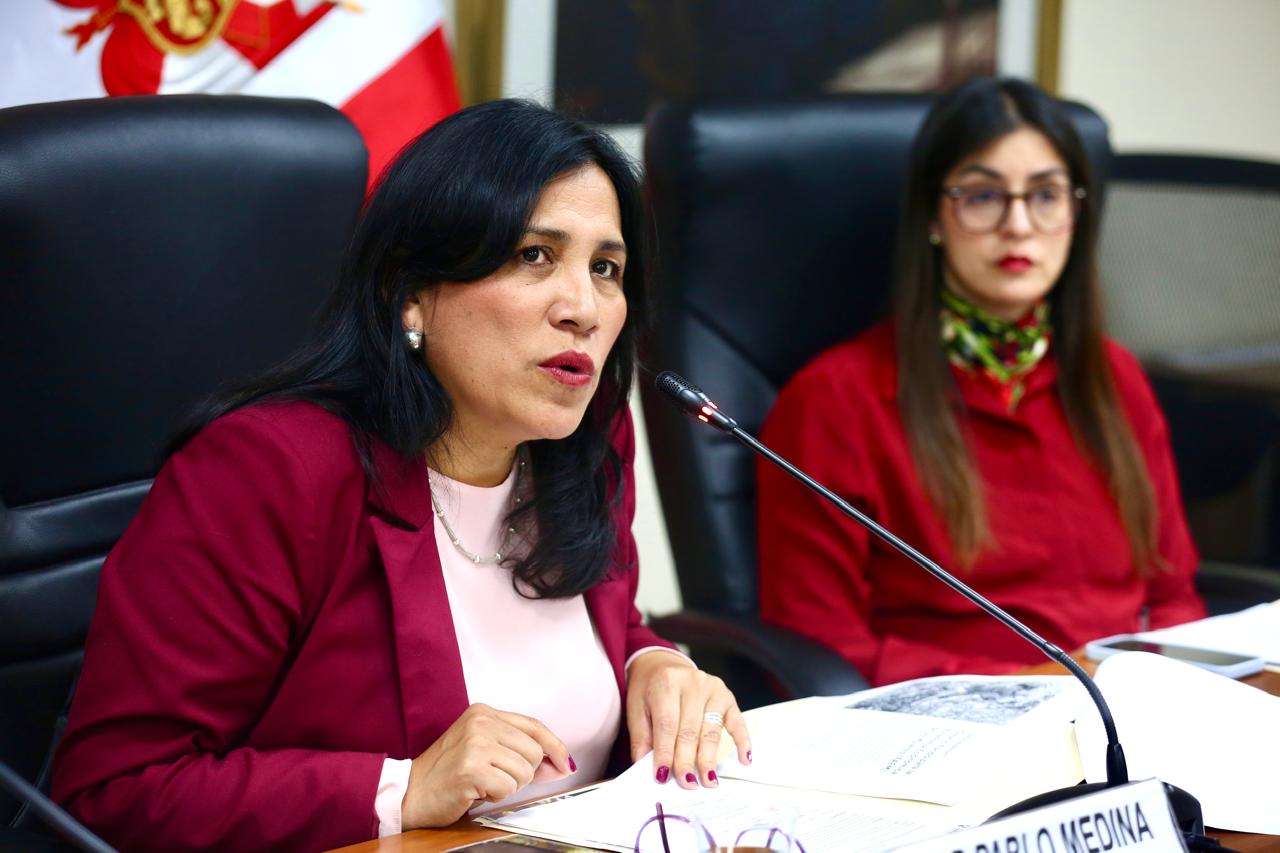
Legislative leaders in Peru recently convened a high-level forum to address the urgent need for integrating nutrition into the national public agenda, focusing on the fundamental right to food and long-term food security. The event, titled “Nutrición en la Agenda Pública,” took place at the Alberto Andrade Carmona auditorium within the Juan Santos Atahualpa building of the Congress of the Republic of Peru, bringing together policymakers, health experts, and civil society representatives to discuss systemic solutions to malnutrition and food insecurity.
According to official reports from the Congress of the Republic of Peru, the discussion centered on the legal and social framework required to ensure that all citizens have consistent access to nutritious food. The forum highlighted the intersection of legislative action and public health, emphasizing that food security is not merely an economic issue but a core pillar of human rights and national development. By prioritizing these discussions, lawmakers aim to align domestic policy with international standards for health and nutrition.
Addressing Nutritional Challenges Through Legislation
The primary objective of the parliamentary forum was to identify gaps in current health policies and propose concrete legislative measures to combat rising rates of food insecurity. As noted in summaries provided by the Ministry of Development and Social Inclusion (MIDIS), systemic challenges such as inflation and economic instability continue to impede access to affordable, nutrient-dense food for vulnerable populations. The participants emphasized that the right to food must be codified in a way that mandates inter-institutional cooperation across the agricultural, health, and social welfare sectors.

Legislators at the event underscored that effective policy requires a multi-sectoral approach. This includes strengthening local food production systems and ensuring that school feeding programs, such as those managed by the Qali Warma program, remain adequately funded and reach the most isolated regions of the country. Data from the Food and Agriculture Organization (FAO) in Peru indicates that targeted nutritional interventions are essential for reducing chronic anemia and malnutrition, particularly among children in rural areas, where the impact of food price volatility is most acute.
Stakeholder Perspectives on Food Security
The forum served as a platform for diverse stakeholders, including representatives from academic institutions and public health organizations, to present evidence-based recommendations. Experts argued that the “right to food” must move beyond theoretical recognition and become a functional reality supported by budgetary commitments. The discussion highlighted the role of the Ministry of Health (MINSA) in monitoring nutritional outcomes and implementing public education campaigns aimed at promoting healthy dietary habits to prevent non-communicable diseases associated with poor nutrition.
Civil society representatives present at the event raised concerns regarding the sustainability of current food supply chains. They noted that climate change and environmental degradation pose significant risks to agricultural productivity, which in turn threatens the food security of the entire nation. By bringing these concerns into the legislative chamber, the forum sought to foster a consensus on the need for resilient agricultural policies that prioritize domestic consumption and local food sovereignty.
Future Legislative Steps and Policy Implementation
Moving forward, the proposals discussed during the forum are expected to be integrated into upcoming legislative debates. The parliamentary committee responsible for social inclusion and health is tasked with reviewing the recommendations provided by the experts in attendance. According to the Commission for Social Inclusion and People with Disabilities, the next phase will involve drafting specific amendments to existing social programs to ensure they meet the nutritional benchmarks established during the forum.

The success of these initiatives will depend on the continued collaboration between the legislative branch and the executive agencies tasked with implementation. Observers are closely watching for the next scheduled review of the national budget, which will serve as a key indicator of the government’s commitment to these nutritional goals. For citizens interested in the progress of these initiatives, official updates on bill progression and committee hearing schedules are available through the congressional legislative portal, which provides transparency on all ongoing policy development.
The dialogue at the Alberto Andrade auditorium marks a significant effort to elevate nutrition as a permanent fixture in Peru’s political discourse. As policymakers continue to refine these strategies, the focus remains on closing the gap between policy intent and measurable improvements in the nutritional status of the population. We invite our readers to share their thoughts on the role of government in ensuring food security in the comments section below.