
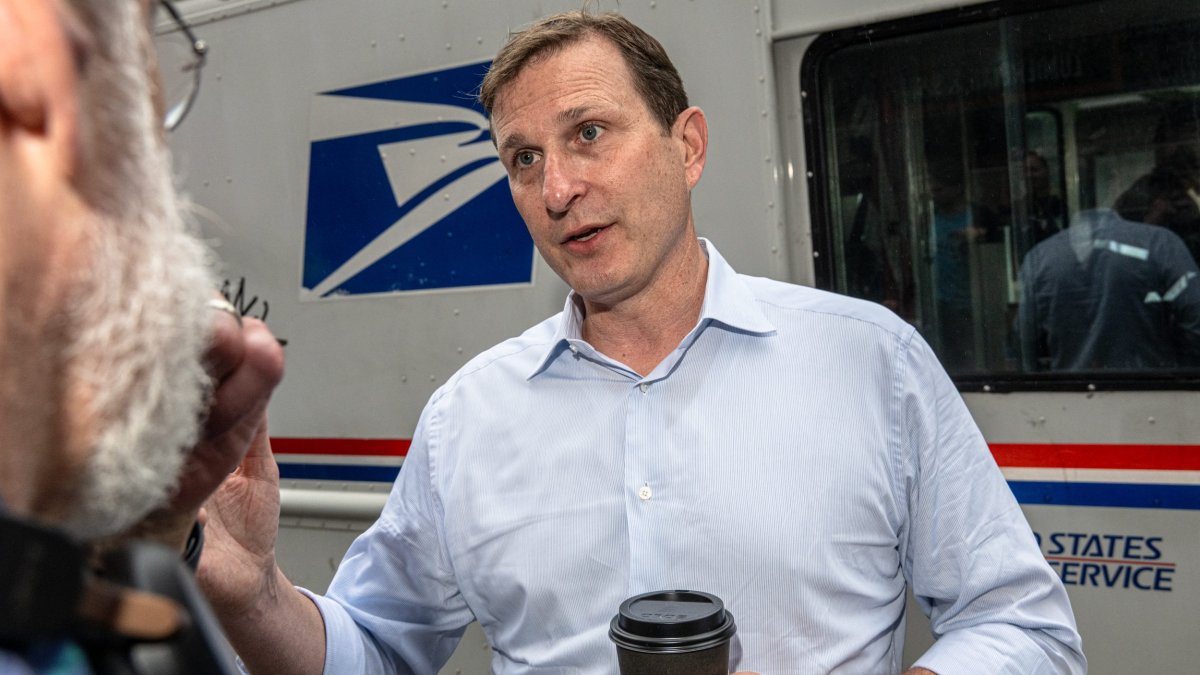
The United States Department of Justice (DOJ) is reviewing reports of a public accommodation dispute involving a New York City coffee shop chain and U.S. Representative Dan Goldman. The inquiry follows a viral social media exchange in which Poetica Coffee, a business with multiple locations in Manhattan and Brooklyn, publicly stated that the Brooklyn Democrat was no longer welcome in its establishments due to his political stance on the conflict in Israel.
Federal oversight of businesses serving the public is governed by the Civil Rights Act of 1964, which prohibits discrimination in places of public accommodation—such as restaurants and retail stores—based on race, color, religion, or national origin. While political affiliation is not a protected class under federal law, the intersection of religious identity and political discourse has prompted federal scrutiny into whether the business’s actions crossed legal thresholds.
The Social Media Exchange and Business Response
The conflict originated from an Instagram post shared by Poetica Coffee, which featured an image of Representative Goldman appearing to stand at a checkout counter. The post explicitly barred the congressman from the premises, citing his support for Israel. The statement, which has since been removed from the platform, used inflammatory language to describe the lawmaker and claimed that staff would have denied him service had they recognized him earlier.

Representative Goldman addressed the incident via social media, noting that the staff interaction he experienced was professional. “The barista could not have been nicer to my 7-yr-old daughter and me—allowing her to use the bathroom even though we had not purchased anything. I made sure to buy a coffee in return for her kindness. I hope you at least make sure she gets the tip that she deserved,” Goldman stated in his response. Following the public attention the exchange garnered, Poetica Coffee’s Instagram account was deactivated.
Federal Oversight of Public Accommodations
The Department of Justice has signaled that it is monitoring the situation. Harmeet Dhillon, who has served in legal capacities involving federal civil rights oversight, noted on the platform X that the Civil Rights Division is aware of the incident. Under Title II of the Civil Rights Act of 1964, businesses that serve the public are generally prohibited from denying service based on protected characteristics. Legal experts often distinguish between a refusal of service based on a customer’s political views—which is generally permitted under the First Amendment and private property rights—and a refusal based on a customer’s religion or national origin, which is prohibited by federal statute.

When asked about the federal interest in the matter, Representative Goldman told CNN that he would prefer for the Justice Department to prioritize the investigation of antisemitism cases involving individuals who do not possess the same platform or public profile that he holds as a member of Congress.
Political Context and Local Reaction
The incident occurs against a backdrop of heightened political tension within New York’s 10th Congressional District. Representative Goldman is currently navigating a competitive primary election cycle, with his support for Israel and ties to the American Israel Public Affairs Committee (AIPAC) serving as key points of divergence between his platform and that of his challenger, former New York City Comptroller Brad Lander. The debate over these policies has intensified public discourse in Brooklyn, often spilling over into local businesses and community spaces.

Community reaction has been swift, with organized protests planned at the company’s Williamsburg location. These demonstrations highlight the broader challenges local businesses face when navigating polarizing national and international political debates. As the situation evolves, the primary focus for legal observers remains whether the business’s actions will be classified as protected political expression or a violation of federal civil rights statutes regarding public access.
No further official statements have been released by the Department of Justice regarding the status of their review. Readers interested in the legal standards governing public accommodations can monitor updates through the Department of Justice Civil Rights Division official portal. Please share your thoughts on this developing story in the comments section below.