Empowering Communities: how Cooperative ownership is Changing New York City housing
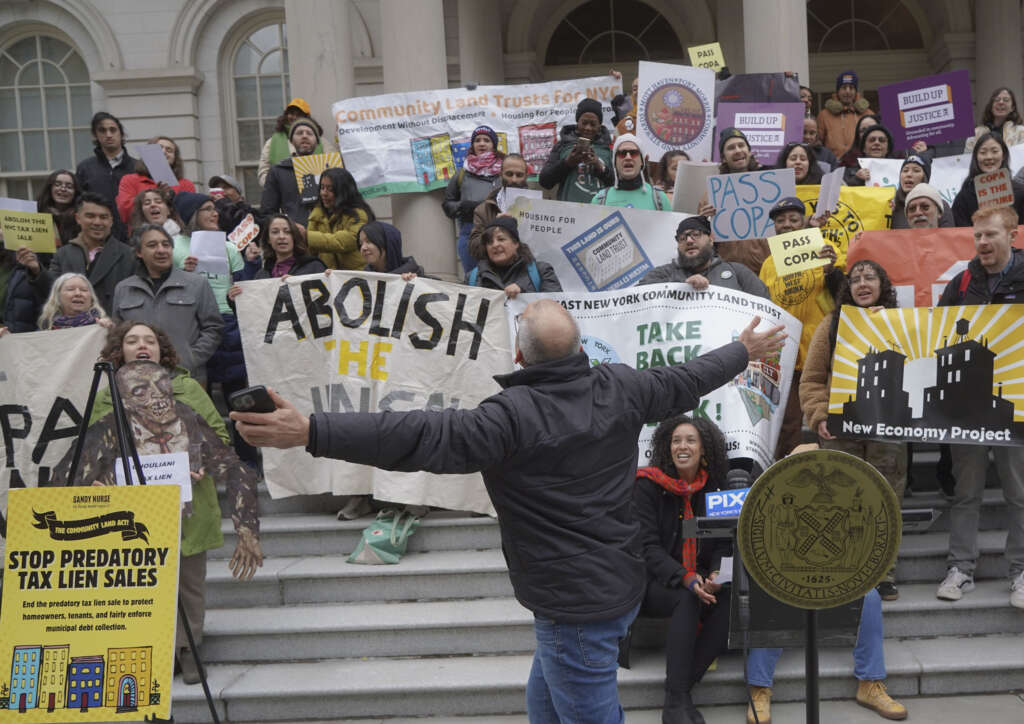
New York City faces a persistent housing crisis, and innovative solutions are urgently needed. Community Ownership Preservation Act (COPA) is gaining traction as a potential game-changer, offering a new pathway for tenants to collectively acquire and manage their buildings.But what exactly does this mean for you, and how could it reshape the city’s housing landscape?
Understanding the Core of COPA
COPA aims to give tenants the first right of refusal when their building goes up for sale. This empowers tenant associations to band together, secure financing, and purchase their homes, transitioning them into community-owned structures.It’s about shifting power dynamics and fostering long-term affordability.
This isn’t about simply handing over keys; it’s about building sustainable, resident-led housing solutions. supporters believe COPA can complement existing city initiatives, like Neighborhood Pillars. Neighborhood Pillars provides low-interest loans and tax breaks to nonprofits and community groups investing in rent-stabilized housing.
Learning from Success Stories
New York City isn’t starting from scratch. Several successful community land trusts already demonstrate the viability of this model.
* East New York: This neighborhood showcases how tenant groups can successfully transition buildings into community ownership.
* Cooper Square: The Cooper Square Community Land Trust stands as a long-standing example of resident-controlled housing, providing affordable options for generations.
These examples prove that community ownership isn’t just a theoretical concept – it’s a proven strategy. They offer valuable lessons for scaling up this approach citywide.
How COPA Differs from Conventional Sales
Consider a typical building sale. Frequently enough, the property is purchased by large investment firms with little connection to the community. This can lead to rising rents, displacement of long-term residents, and a loss of neighborhood character.
COPA flips this script. It prioritizes local, accountable stewards – the people who already live in and care for the building. This fosters stability,preserves affordability,and strengthens community bonds.
The Benefits of Resident Control
What does resident control actually look like? It means:
* Affordability: Community-owned buildings are typically structured to prioritize long-term affordability, protecting residents from market fluctuations.
* Accountability: Residents have a direct say in how their building is managed and maintained.
* Stability: Community ownership reduces the risk of displacement and fosters a sense of belonging.
* Community Wealth Building: Ownership builds equity within the community, rather than extracting wealth for outside investors.
Addressing Concerns and Moving Forward
Some raise concerns about the financial feasibility of COPA, questioning whether tenant groups can secure the necessary funding. However, advocates emphasize that COPA isn’t intended to be a standalone solution. It’s designed to work with existing programs and resources.
The bill offers an opportunity to partner with trusted nonprofits, organizations the city already funds and holds accountable. This collaborative approach can unlock the resources and expertise needed to make community ownership a reality for more New Yorkers.
ultimately, COPA represents a bold step towards a more equitable and sustainable housing future. It’s a chance to empower communities, preserve affordability, and build a city were everyone has a place to call home.