NYPD Surveillance of Black Lives Matter Protests: A Deep Dive into Facial Recognition Abuse and the Fight for Privacy
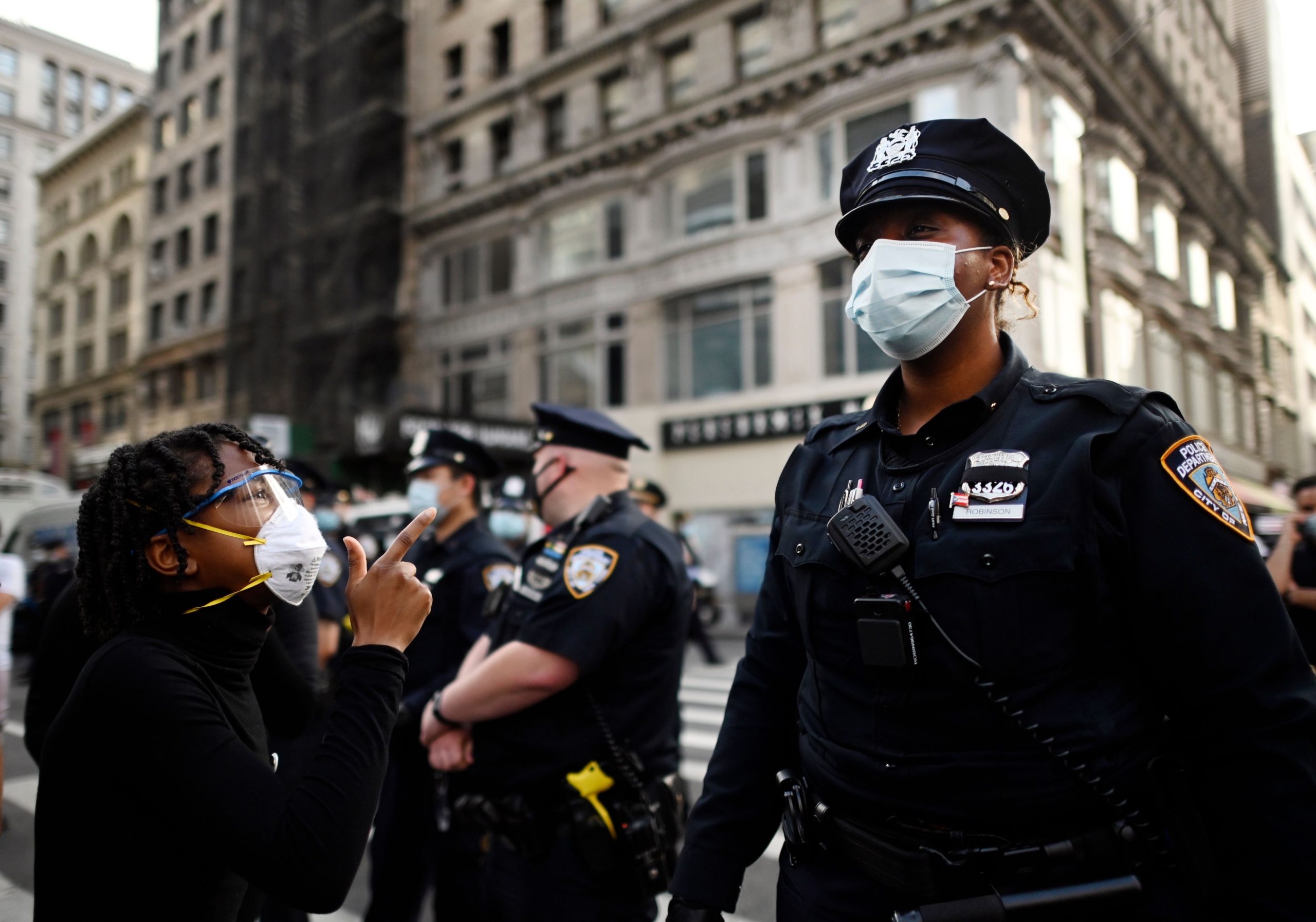
recent disclosures reveal a troubling pattern of surveillance by the New York Police Department (NYPD) during the 2020 Black Lives Matter (BLM) protests. These records, obtained after a legal battle lead by Amnesty International and the surveillance watchdog group S.T.O.P., demonstrate a concerning misuse of facial recognition technology and a disregard for essential rights. As experts in AI and human rights, we’ve consistently observed these dangers, and this case underscores the urgent need for reform.
This article will detail the NYPD’s actions, the legal fight to uncover them, and the ongoing efforts to ban this invasive technology in New York City. We’ll explore what this means for your privacy and freedom of expression.
Alarming Instances of NYPD Surveillance
The released documents paint a clear picture of overreach. Here are some key examples:
* Targeted Political Speech: On June 3, 2020, the NYPD specifically targeted a Twitter user deemed a “controversial protestor” for their political views. They acknowledged no immediate threat existed, yet resolved to continuously monitor the individual’s social media.
* Facial Recognition for Online Expression: Just two days later, on June 5, 2020, the NYPD deployed facial recognition to identify a BLM protester based on a social media post stating, “cops should die” - a hyperbolic statement.
* Artistic Expression Under scrutiny: On April 22, 2020, the NYPD used facial recognition to identify singers simply because of content within their music video. This effectively created a virtual line-up, violating their right to free expression.
These aren’t isolated incidents. They represent a pattern of using powerful surveillance tools to chill speech and target individuals exercising their First Amendment rights.
Expert Commentary: A Disregard for Community Safety
Matt Mahmoudi, Researcher & Advisor on AI and Human rights at Amnesty International, powerfully states: “The disclosures demonstrate multiple instances of discrimination and abuse, using facial recognition, which reinforce what our previous research has consistently shown to be a disregard for the safety of Black and Brown communities in New York City.”
This isn’t just about privacy; it’s about equity and justice.
The Fight for Openness: A Legal Victory
Uncovering these practices wasn’t easy. In September 2020, Amnesty International filed a Freedom of Information request for NYPD records related to BLM protest surveillance.
The NYPD initially rejected the request and subsequent appeal. However, S.T.O.P. and Quinn Emanuel Urquhart & Sullivan, LLP stepped in, suing the NYPD on Amnesty International’s behalf.
In 2022, the New York Supreme Court ruled in favor of transparency, ordering the NYPD to disclose over 2,700 records. This legal victory was crucial in bringing these abuses to light.
Disproportionate Impact: Who is Most Affected?
Further inquiry by Amnesty International,S.T.O.P., and the ‘Ban the Scan’ coalition revealed a disturbing trend:
* Areas with Higher Stop-and-Frisk Rates: New Yorkers living in neighborhoods with a history of aggressive stop-and-frisk policing are subjected to a greater density of facial recognition surveillance.
* Racial Disparities: Non-white residents in the Bronx, Brooklyn, and Queens face a disproportionately higher concentration of NYPD cameras.
this data confirms that facial recognition isn’t being deployed neutrally. it’s exacerbating existing inequalities and reinforcing discriminatory policing practices.
What’s Being Done Now? The Call to Action
Currently, a broad coalition is working to protect your rights. Amnesty International,S.T.O.P., and the ‘Ban the Scan’ coalition are urging New York City Council members to enact a complete ban on facial recognition technology.
Two measures already have majority sponsorship, signaling growing momentum.
Beyond legislation, the organizations are calling on the NYPD and the New York city mayor to immediately cease all use of this discriminatory and error-prone technology.
Why this Matters to You
Facial recognition technology, while seemingly futuristic, carries significant risks:
* Erosion of Privacy: Constant surveillance chills free expression and creates a society where you are always being watched.
*
Worth a look