
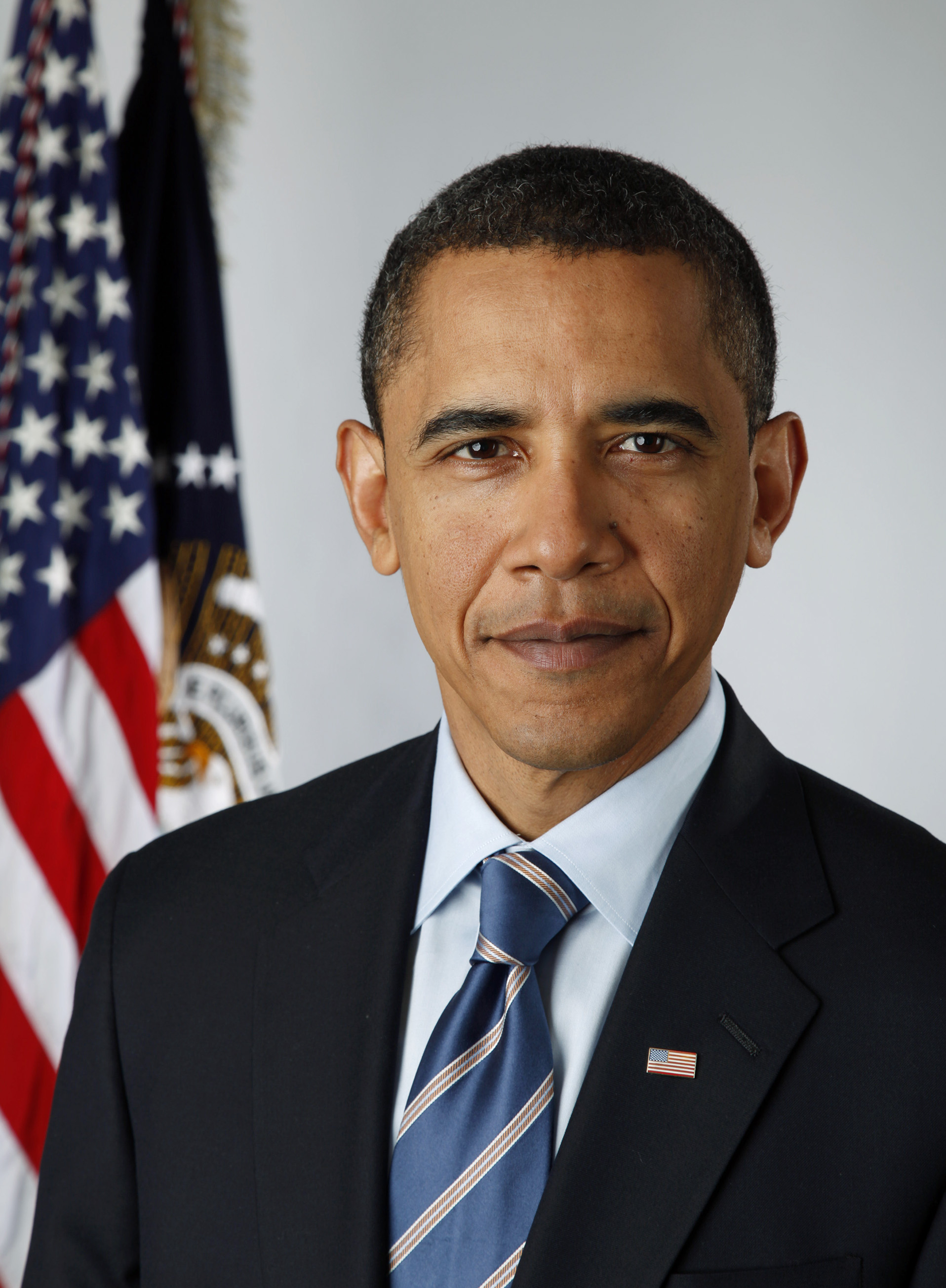
The Obama Presidential Center, a multi-building campus situated in Chicago’s historic Jackson Park, has officially opened its doors, marking the completion of a project that has been under development for nearly a decade. The facility, which serves as a museum, library, and community hub, aims to preserve the legacy of the 44th U.S. President while providing a public space for civic engagement and education. According to the Obama Foundation, the center represents a significant investment in the South Side of Chicago, designed to spark economic growth and foster community-led programming.
The opening ceremony drew a range of high-profile political figures and cultural leaders, reflecting the bipartisan and international interest in the project. The campus spans approximately 19 acres within the park, a site chosen by the former president for its proximity to his home and its connection to the city’s history. While the center is not a traditional National Archives and Records Administration presidential library, the foundation maintains that it will house digitized copies of the Obama administration’s records, providing public access to the history of the 2009–2017 presidency.
Project Scope and Development Timeline
Planning for the Obama Presidential Center began shortly after the conclusion of Barack Obama’s second term in 2017. The project faced several years of regulatory review, including a federal environmental assessment required due to the center’s location on public parkland. The National Park Service and the Advisory Council on Historic Preservation were involved in the consultation process to address concerns regarding the park’s landmark status and the environmental impact of the construction. Groundbreaking officially took place in September 2021, with the construction phase spanning over three years.

The campus features a museum tower, a branch of the Chicago Public Library, and an athletic center. Architectural designs by Tod Williams Billie Tsien Architects were finalized after multiple iterations to better integrate the structures into the surrounding landscape. The project was funded entirely through private donations raised by the Obama Foundation, distinguishing its financial model from previous presidential libraries that often relied on federal funding for operational aspects. According to the foundation’s financial disclosures, the total cost of the project is estimated at $830 million, with a broader endowment goal to ensure the center’s long-term sustainability.
Political and Community Impact
The presence of former presidents and sitting officials at the opening ceremony underscored the project’s significance in the American political landscape. The event highlighted the role of the center as a forum for political discourse and leadership training. By choosing the South Side of Chicago, the project developers intended to address long-standing economic disparities in the region. Local community groups have worked with the foundation to ensure the center provides job opportunities and educational resources for neighborhood residents.

Critics and supporters alike have closely tracked the center’s development. Proponents point to the potential for the site to become a primary tourist destination, potentially drawing millions of visitors to the city’s South Side annually. Conversely, some local activists raised concerns throughout the construction process about the potential for gentrification and the displacement of long-term residents. The City of Chicago implemented a community benefits agreement to address these concerns, focusing on affordable housing protections and local hiring mandates for the construction and permanent operation of the facility.
Comparing Presidential Center Models
The Obama Presidential Center differs structurally from the traditional model established by the Presidential Libraries Act of 1955. Under that act, most presidential libraries are operated by the National Archives and Records Administration (NARA). The Obama Foundation opted for a private, non-federal model, which allows for greater flexibility in programming and exhibit design but means the center will not be a federal facility. This shift reflects a broader trend in how modern foundations manage the legacies of former leaders.
| Feature | Traditional Presidential Library | Obama Presidential Center |
|---|---|---|
| Operator | National Archives (NARA) | Obama Foundation |
| Funding | Federal/Private Mix | 100% Private |
| Records | Federal Records Repository | Digitized/Public Access |
What Happens Next for Visitors
With the opening ceremonies concluded, the Obama Presidential Center is transitioning into its operational phase. The public is encouraged to monitor the official foundation website for updates regarding ticket availability, museum hours, and scheduled public programs. Educational initiatives, including leadership workshops and youth mentorship programs, are expected to commence in the coming months as the facility fully integrates its community-based offerings.

The center’s leadership has indicated that the next phase of development will focus on expanding the digital archives to include more oral histories and interactive exhibits related to the Obama presidency. For those interested in the ongoing impact of the facility, the foundation plans to release periodic reports on community engagement metrics and economic development milestones. We invite readers to share their thoughts on the new center in the comments section below and stay tuned for further updates as the site settles into its role as a permanent cultural institution.