Oil Prices Surge to 2022 Highs Amidst Escalating Iran-U.S. Tensions
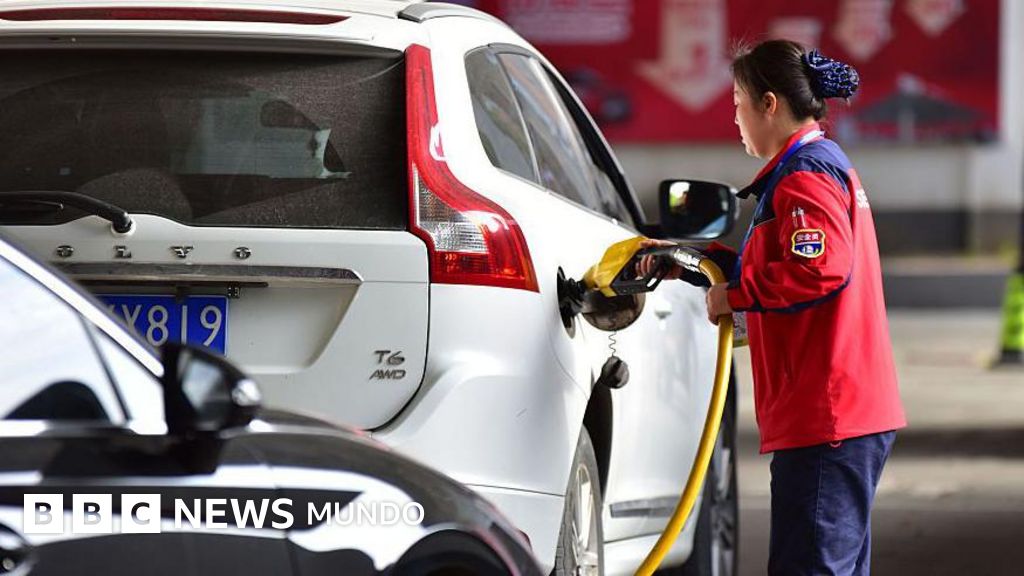
Global oil prices experienced a significant surge on Thursday, reaching levels not seen since 2022, fueled by growing concerns over a potential military escalation between the United States and Iran. The escalating tensions have prompted fears of disruption to crucial oil supply routes, particularly the Strait of Hormuz, a vital waterway for global crude transportation. This surge is already impacting market sentiment and raising concerns about potential economic repercussions, including increased costs for consumers at the pump.
The price increases come as U.S. President Donald Trump is reportedly evaluating options, including a potential military strike against Iran. Iran, possessing the world’s third-largest proven oil reserves, also controls a strategically important portion of global oil shipping lanes. The possibility of direct military conflict has injected considerable volatility into the energy markets, with analysts warning of further price spikes should tensions continue to escalate. The situation is further complicated by Iran’s recent efforts to repair and fortify its nuclear and missile facilities, signaling a heightened state of readiness.
Brent crude, the international benchmark, climbed to over $126 per barrel at one point during Thursday’s trading session, its highest level since the full-scale invasion of Ukraine by Russia. While prices retreated slightly later in the day, settling around $114, the initial spike underscores the market’s sensitivity to geopolitical risks in the Middle East. U.S. Crude has also seen a substantial increase, rising $10 over the past month. These price movements are occurring as the U.S. Increases its military presence in the region, and President Trump has suggested a potential U.S.-led attack could be imminent.
Geopolitical Risks and Supply Concerns Drive Market Volatility
The primary driver behind the oil price surge is the potential disruption to oil supplies flowing through the Strait of Hormuz. Approximately 20% of the world’s oil and liquefied natural gas (LNG) transits this critical chokepoint. Recent actions by Iran, including reported attacks on civilian targets in neighboring Gulf countries and potential blockades of the strait, have heightened fears of a significant supply shock. Deutsche Welle reports that the number of merchant ships, including oil tankers and container vessels, passing through the strait has drastically decreased from around 140 per day to a significantly lower number since the start of the conflict.
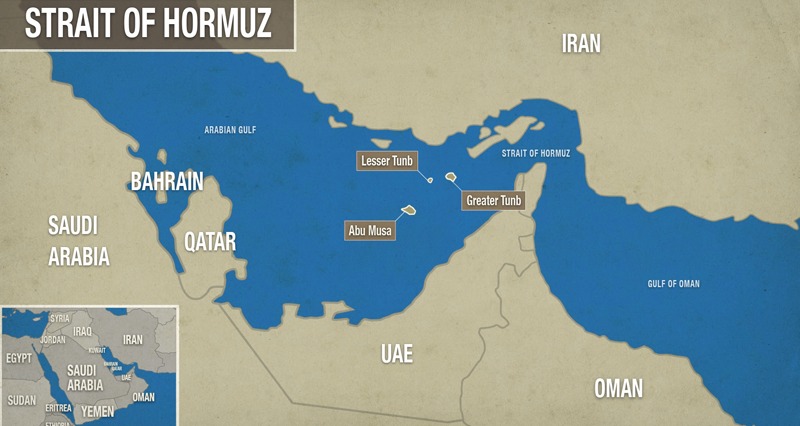
Beyond the Strait of Hormuz, attacks on oil infrastructure in the region are also contributing to the price increases. Reports indicate that Iran has targeted facilities in Qatar, Kuwait, and Saudi Arabia, including Ras Laffan, Qatar’s major LNG export terminal, and refineries in Kuwait and Saudi Arabia. Experts estimate that repairing the damage to these facilities could take months, or even years, further exacerbating supply concerns. The disruption to LNG exports is particularly concerning, as Europe increasingly relies on LNG to diversify its energy sources and reduce dependence on Russian gas.
Trump Administration Weighs Military Options
The current situation stems from escalating tensions between the U.S. And Iran, with the Trump administration accusing Iran of destabilizing activities in the region and pursuing a nuclear weapons program. President Trump has repeatedly stated his willingness to take strong action against Iran, while also expressing a desire for a diplomatic resolution. “May have to go a step further, or may not,” Trump stated on Thursday, adding that an agreement with Iran may be reached “probably in the next 10 days.”
According to reports, the U.S. Central Command has prepared a plan for a “short and sharp” series of strikes against Iran, aimed at compelling Tehran to return to negotiations. Although, the potential consequences of such an action are significant, and could lead to a wider regional conflict. The situation remains fluid, and the outcome is highly uncertain. The U.S. Has been increasing its military presence in the Middle East in recent weeks, signaling a heightened level of preparedness.
Impact on Global Economy and Consumers
The surge in oil prices is expected to have a ripple effect throughout the global economy. Higher energy costs will likely contribute to increased inflation, potentially forcing central banks to tighten monetary policy and slow economic growth. The transportation sector, heavily reliant on oil, will face increased operating costs, which could be passed on to consumers in the form of higher prices for goods and services. The BBC reports that the current price levels haven’t been seen since 2022.
For U.S. Consumers, higher gasoline prices are a particularly sensitive issue. President Trump has previously touted the decline in gasoline prices during his administration, and a reversal of that trend could be politically damaging. The potential for a significant increase in gasoline prices is already causing concern among voters. The economic impact will not be limited to the U.S., as countries around the world grapple with the consequences of higher energy costs. Developing nations, particularly those heavily reliant on oil imports, are especially vulnerable to the negative effects of rising prices.
Iran’s Response and Regional Implications
Iran has responded to the escalating tensions by increasing its military readiness and conducting missile tests. The country has also warned of retaliatory strikes against U.S. Interests in the region should it be attacked. The potential for miscalculation and escalation is high, and a misstep could quickly spiral into a wider conflict. The involvement of other regional actors, such as Saudi Arabia and Israel, further complicates the situation.
The conflict also has implications for the ongoing negotiations over Iran’s nuclear program. The Joint Comprehensive Plan of Action (JCPOA), a landmark agreement aimed at curbing Iran’s nuclear ambitions, has been under strain since the U.S. Withdrew from the deal in 2018. The current tensions craft it even more difficult to revive the agreement, and could lead Iran to accelerate its nuclear program. Abbas Araghchi, the Iranian foreign minister, has expressed optimism that an agreement with the U.S. Can be reached soon, but the prospects for a breakthrough remain uncertain.
Key Takeaways
- Oil prices have surged to their highest levels since 2022 due to escalating tensions between the U.S. And Iran.
- Disruptions to oil supplies through the Strait of Hormuz are a major concern, with Iran potentially blocking the vital waterway.
- The Trump administration is considering military options, but the consequences of a strike could be significant.
- Higher oil prices are expected to have a negative impact on the global economy and consumers.
- The situation remains fluid and highly uncertain, with the potential for further escalation.
The situation remains highly volatile, and further developments are expected in the coming days. The U.S. Military is expected to present President Trump with updated plans for potential military action against Iran. The international community is closely monitoring the situation, and diplomatic efforts are underway to de-escalate tensions. The next few days will be critical in determining whether the region will descend into a wider conflict or whether a diplomatic solution can be found.
What are your thoughts on the escalating tensions in the Middle East and the impact on global oil prices? Share your comments below and join the discussion.
Worth a look