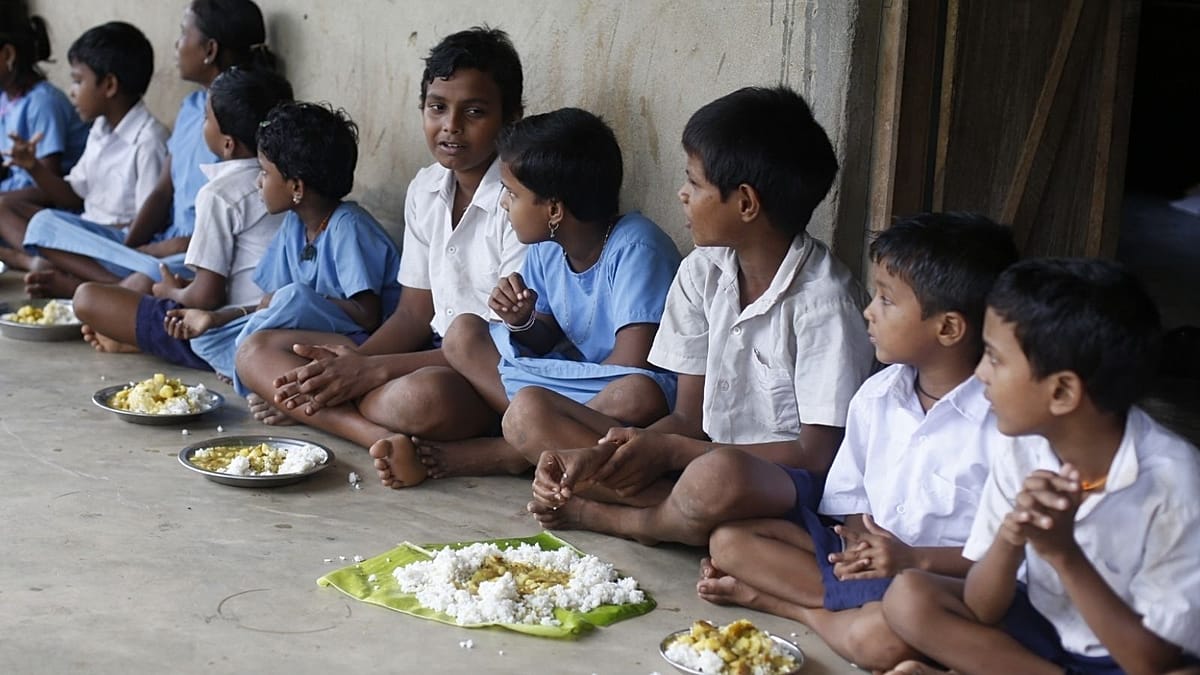
Unsafe food remains a critical global health burden, causing 866 million illnesses and 1.5 million deaths annually, according to new data released by the World Health Organization (WHO). These findings, published ahead of World Food Safety Day on June 7, 2026, highlight the disproportionate impact of foodborne diseases on children under five, who face risks nearly three times higher than those of older children and adults.
The latest WHO analysis covers 42 foodborne risks evaluated across 194 countries between 2000 and 2021. While young children represent only 9% of the global population, they account for approximately one-third of all foodborne disease cases, with diarrheal illnesses posing a particularly severe threat to this demographic. “The safety of food is not an abstract concept: it concerns every meal, every family, every day,” stated WHO Director-General Tedros Adhanom Ghebreyesus in an official statement regarding these findings.
The Global Burden of Foodborne Illness
The figures released by the WHO reflect a complex challenge involving bacteria, viruses, parasites, and harmful chemical substances. With 866 million people falling ill each year due to contaminated food, the scale of the crisis underscores the urgent need for systemic improvements in global food safety infrastructure. The World Health Organization emphasizes that many of these fatalities are preventable through targeted interventions.
Key strategies to mitigate these risks include:
- Enhancing water quality and sanitation infrastructure.
- Improving hygiene practices at the household and industrial levels.
- Implementing standardized food safety protocols, such as pasteurization.
- Ensuring equitable access to healthcare for vulnerable populations.
These measures are essential for addressing the 42 specific foodborne hazards identified in the study. By focusing on these areas, governments and public health organizations can work to reduce the mortality rate associated with daily nutrition.
Protecting Vulnerable Populations
Children under the age of five are at the highest risk, as their immune systems are still developing. The WHO study confirms that this age group is significantly more susceptible to pathogens found in unsafe food, leading to a higher frequency of severe, potentially fatal outcomes. Addressing the vulnerability of children is a central focus of the 2026 World Food Safety Day, which carries the theme “From burden to solutions – safe food everywhere.”
The data suggests that the burden of foodborne disease is not distributed equally. In regions where access to clean water and reliable sanitation is limited, the risk of contracting illnesses from contaminated food increases, creating a cycle of health challenges for developing communities. The WHO’s report serves as a call to action for international policymakers to prioritize food safety as a fundamental component of public health architecture.
Next Steps for Global Health Initiatives
The international community continues to monitor these developments through various health-focused forums. Following the events of World Food Safety Day, the WHO is scheduled to hold a webinar on June 9, 2026, to discuss broader health emergency strategies, including those related to infectious disease management. Additionally, the Healthcare Sector Global Framework on Chemicals (GFC) Implementation Programme will host sessions on June 10, 2026, to further address chemical safety concerns that impact global food security.
As the global health community moves from identifying the burden to implementing solutions, the focus remains on long-term sustainability and the protection of the most vulnerable citizens. Readers are encouraged to stay informed through official updates from the World Health Organization and local health ministries.
What are your thoughts on the steps being taken to improve food safety in your region? Share your perspective in the comments below.
Keep reading