
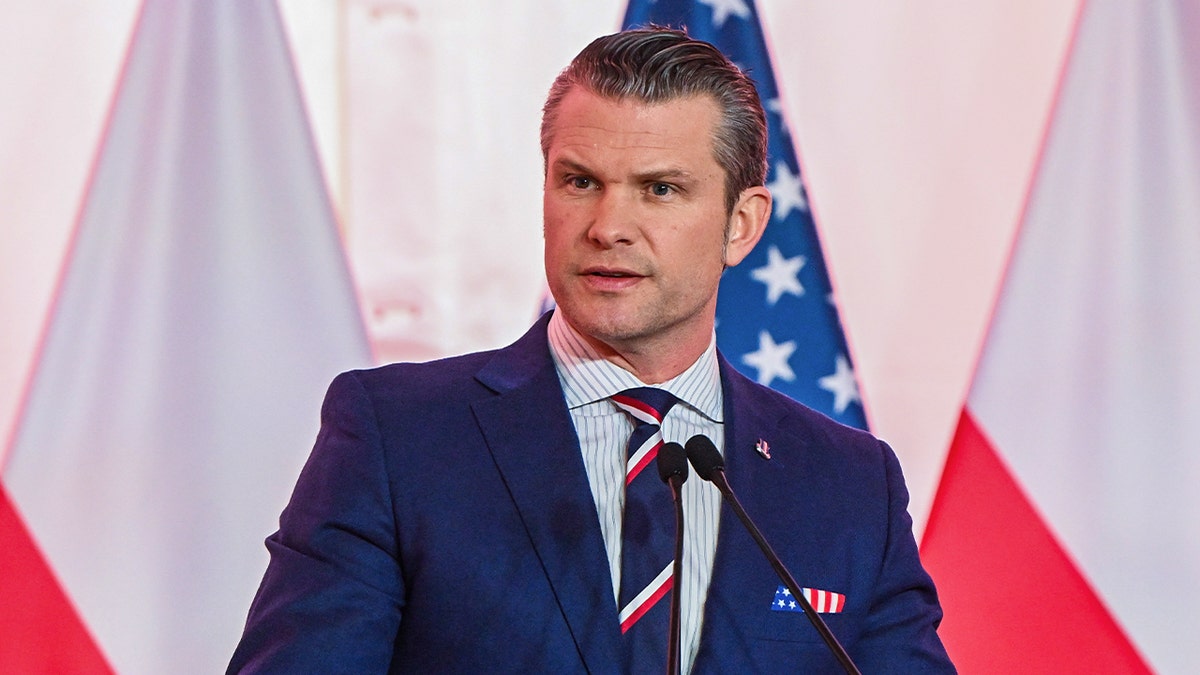
United States Defense Secretary Pete Hegseth used a speech marking the 82nd anniversary of the D-Day landings in Normandy, France, to frame migration as a security threat to European nations. Speaking at the American cemetery in Colleville-sur-Mer on June 7, 2026, Hegseth suggested that European capitals are currently facing an “invasion” via maritime arrivals, drawing a parallel between the historic defense of Europe and contemporary border policy challenges.
The remarks, delivered during a solemn commemoration, underscored a shift in transatlantic rhetoric regarding migration. While Hegseth did not explicitly use the word “immigration,” he pointed to arrivals in countries including Spain, Italy, Greece, and Bulgaria as evidence that “different European beaches are stormed by different dangerous ideologies.” According to reporting by Euronews, the Defense Secretary questioned when European capitals would take action, asking, “Or is it too late?”
The Rhetoric of “Peace Through Strength”
The Defense Secretary’s address was ostensibly focused on the D-Day anniversary, but it served as a platform to press for stronger military and policy cooperation across the Atlantic. Hegseth emphasized that “peace is secured only through strength,” urging European allies to bolster their defense commitments. He explicitly distanced his vision for the alliance from what he termed “empty slogans” or “lavish summits,” instead calling for “real allies doing real things” to address shared global threats.
This messaging aligns with broader trends within the current U.S. administration. President Donald Trump, during an address at the United Nations in September 2025, similarly criticized European migration policies, asserting that European countries were being “ruined” by current trends. Both officials have consistently linked domestic border security concerns with the stability of international alliances, arguing that collective defense is contingent upon internal national cohesion.
Transatlantic Policy Implications
The timing of the speech—on the 82nd anniversary of the Allied landings—was intended to evoke the historical sacrifice of the soldiers buried in Normandy. However, by introducing the topic of migration into a D-Day commemoration, the Defense Secretary’s comments have drawn attention to the differing priorities between Washington and various European capitals. Hegseth did not attend the main international D-Day ceremonies held later that day, highlighting a potential divergence in diplomatic focus.
The European Union has struggled for years to reach a consensus on migration pacts and border management, often facing internal political pressure from right-wing factions. By characterizing the arrival of migrants as an “invasion,” the U.S. Defense Secretary’s language mirrors the framing often utilized by these same European political parties. This approach suggests that the U.S. executive branch intends to continue pressuring European leaders to adopt more restrictive migration controls as a condition of robust defense cooperation.
Next Steps in Transatlantic Relations
The international community will be watching for the next formal engagement between the U.S. Department of Defense and European counterparts to see if these sentiments influence upcoming NATO or bilateral security summits. As European nations prepare for their next cycle of policy discussions regarding the Mediterranean border, the influence of U.S. administration rhetoric remains a key variable in diplomatic negotiations.

Official transcripts and further statements regarding the U.S. stance on transatlantic security are expected to be released via the Department of Defense’s portal in the coming weeks. For ongoing updates on this developing story, please continue to follow our reporting at World Today Journal. We welcome your perspective on how these security debates are shaping the future of the alliance—feel free to share your thoughts in the comments section below.
- Der Handel hat weiter mit der gebremsten Konsumlaune zu kämpfen. Der Ausblick von … – Heute.at
- Bürokratie macht auch vor der kleinen Stadtsparkasse Grebenstein keinen Halt – HNA
- Trump Threatens Iran as Houthi Tanker Attacks Push Oil Prices Above $100 (time.news)
- Trump Discusses the Speech He Almost Gave Before Assassination Attempt (newsdirectory3.com)