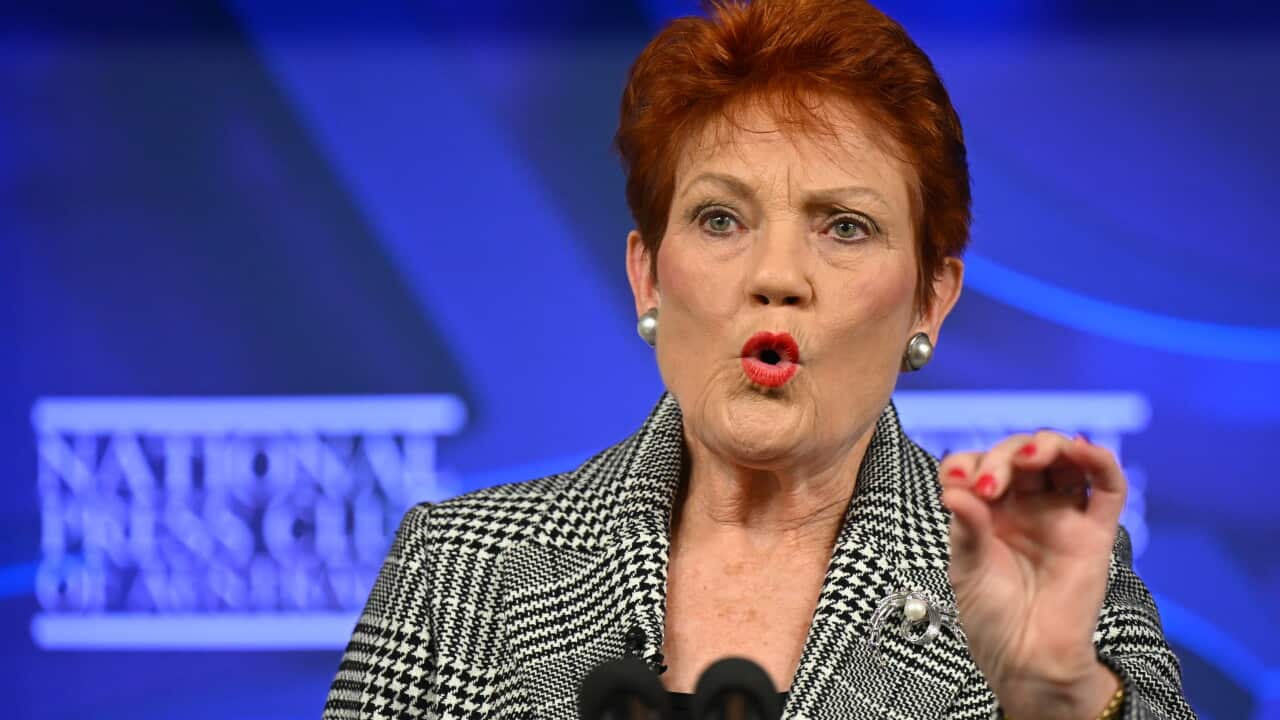
One Nation leader Pauline Hanson has blamed media outlets for intensifying public backlash over her remarks that domestic violence is a “two-way street,” asserting that her comments were stripped of their broader context. The remarks, which drew swift condemnation from domestic violence advocacy groups and political opponents across Australia, sparked a fierce national debate regarding how family and intimate partner violence is discussed in public discourse.
The controversy unfolded after the Queensland senator addressed complex social issues during media engagements, leading to widespread criticism from community organizations that support abuse survivors. According to public reports and statements from advocacy networks, critics argued that framing abuse as mutual minimizes the lived experiences of victims and shifts culpability away from perpetrators. In response to the mounting political pressure, Hanson defended her position by pointing to selective editing by journalists, maintaining that her statements aimed to address broader interpersonal conflict rather than invalidate victims of severe abuse.
The fallout highlights ongoing sensitivities surrounding political rhetoric on gender-based violence. As public scrutiny intensifies, community leaders and lawmakers continue to debate the responsibilities of elected officials when discussing sensitive welfare and safety policies.
Political Repercussions and Community Opposition
The remarks triggered an immediate wave of disapproval from crossbench politicians and advocacy organizations, who argued that such terminology undermines decades of public education campaigns. According to reports from the Australian Broadcasting Corporation, welfare advocates stressed that describing violence as reciprocal ignores established criminological data concerning power imbalances in abusive relationships.
Political opponents utilized the controversy to question the senator’s fitness to shape national family law and safety policies. While One Nation representatives stood by their party leader, emphasizing her focus on overall family support structures, civil society groups urged federal leaders of all affiliations to reject language that obscures accountability in domestic abuse cases.
The debate has reignited broader legislative discussions regarding how government bodies fund support services and handle protective orders. Experts in social policy note that public discourse by prominent figures heavily influences whether victims feel secure enough to seek help from emergency services.
Media Framing and the Defense of Context
Addressing the mounting criticism, Hanson argued that news organizations condensed lengthy interviews into inflammatory soundbites. Media watchdogs and political commentators have since scrutinized the timeline of the coverage, examining how different networks broadcasted the initial remarks and subsequent clarifications.
Communication analysts point out that high-profile political figures frequently clash with journalistic outlets over the curation of complex policy discussions. In this instance, the dispute centers on whether shorthand reporting alters the original intent of statements made on politically sensitive topics.
Despite the defense offered by the senator’s office, civil advocacy groups maintain that the initial wording caused genuine harm to ongoing education efforts aimed at reducing rates of physical and psychological abuse within households.
Next Steps in the National Debate
As the political fallout continues to develop, upcoming parliamentary sittings are expected to feature further questioning regarding government-funded safety initiatives and accountability standards for elected representatives. Stakeholders from legal aid organizations and family support networks plan to release updated policy guidelines addressing public commentary on safety issues.
Readers and community members seeking support or official resources regarding family safety can consult the National Sexual Assault, Domestic Violence Counselling Service (1800RESPECT) in Australia for confidential assistance. We invite our readers to share their perspectives on this developing story in the comments below.
Related reading