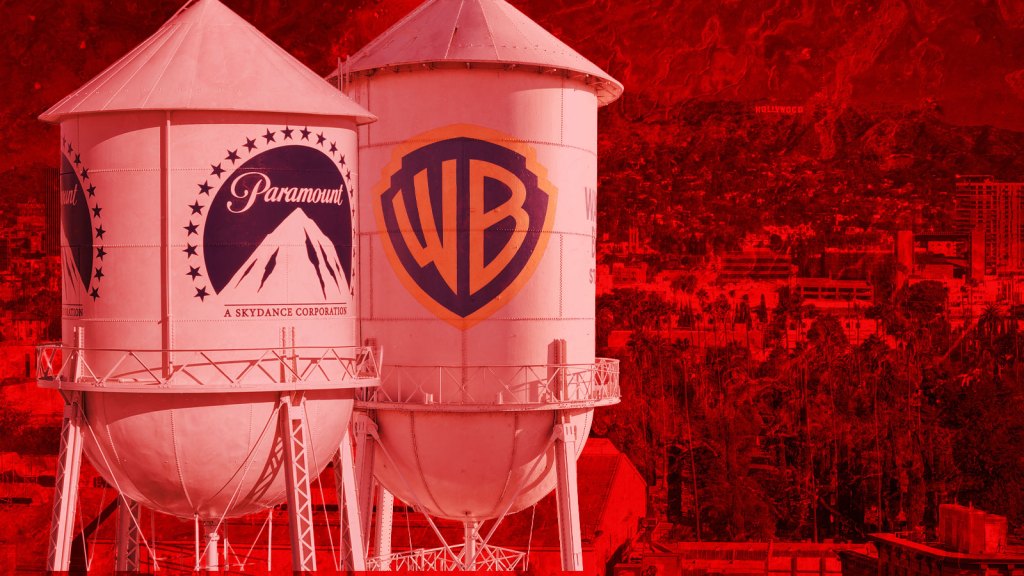
A federal judge in California has temporarily halted Paramount’s planned acquisition of Warner Bros. Discovery, granting a 14-day restraining order on July 20, 2026. The pause responds to an antitrust lawsuit from 12 states arguing the megamerger harms competition in theatrical and cable markets.
The legal battle over the consolidation intensified as Paramount proposed a three-day evidentiary hearing for late August. U.S. District Judge Araceli Martinez-Olguin issued the temporary restraining order following a Friday morning court session, freezing the transaction just before an agreed-upon July 22 deadline.
California Leads 12-State Antitrust Challenge
The legal challenge is spearheaded by California Attorney General Rob Bonta alongside 11 other state attorneys general. The coalition argues that combining two of the top five film distributors and two of the top three cable programmers creates an anticompetitive giant that will drive up prices and reduce choices for consumers and creators alike.
Bonta praised the court’s intervention as a critical first win to keep the megamerger from moving forward.
“History tells the tale of what happens when a few people have great power over markets that are central to Americans’ lives: fewer opportunities for more people, worse products and services for all people.”
Rob Bonta, California Attorney General, via Variety
The Writers Guild of America has also filed a separate lawsuit seeking to block the transaction, warning that fewer buyers mean diminished bargaining power and fewer greenlit projects for creative professionals.
Paramount Pushes for Evidentiary Mini-Trial
Paramount’s legal team, led by Jeffrey Kessler, responded to the halt by asking the federal court to schedule a three-day evidentiary hearing during the week of August 17 or August 24. The company argues that an expanded evidentiary record is necessary to fully examine real-world market dynamics, barriers to expansion, and competitive effects.
While fighting the states’ request for a preliminary injunction that could pause the merger for eight months, Paramount indicated it would consent to extending the current restraining order until the court reaches a final decision on the injunction. Judge Martinez-Olguin scheduled a hearing on the preliminary injunction for August 3.
Financial pressure is mounting on the deal. Under the terms of the acquisition agreement, Paramount will owe Warner Bros. Discovery investors a ticking fee of $7 million per day if the transaction remains unclosed after September 30, 2026. Company lawyers noted that prolonged delays could cost Paramount well over $1 billion in these additional fees.
The Streaming Market Versus Legacy Studios
A core point of contention in the courtroom centers on how the relevant entertainment market is defined. The state coalition’s antitrust claims focus on traditional theatrical distribution and basic cable programming. Conversely, Paramount defends the merger by pointing to the intense pressure legacy studios face from dominant direct-to-consumer streaming giants.

According to antitrust scholar Herbert Hovenkamp of the University of Pennsylvania Carey Law School, merger law adheres to a strict single-market rule that prohibits companies from using efficiencies gained in one market to offset competitive harms in another.
Judge Martinez-Olguin echoed this limitation in her ruling. In a footnote, the court noted it could not accept arguments that efficiencies created in the streaming market can justify or excuse competitive harm within theatrical and cable distribution.
Divergent Regulatory Views and Additional Legal Hurdles
The state-level roadblock contrasts sharply with decisions made by federal and international regulators. The U.S. Justice Department’s antitrust division closed its investigation in June without challenging the transaction, concluding the merger was unlikely to harm competition. Meanwhile, the European Commission approved the deal on July 22, 2026, subject to conditions.
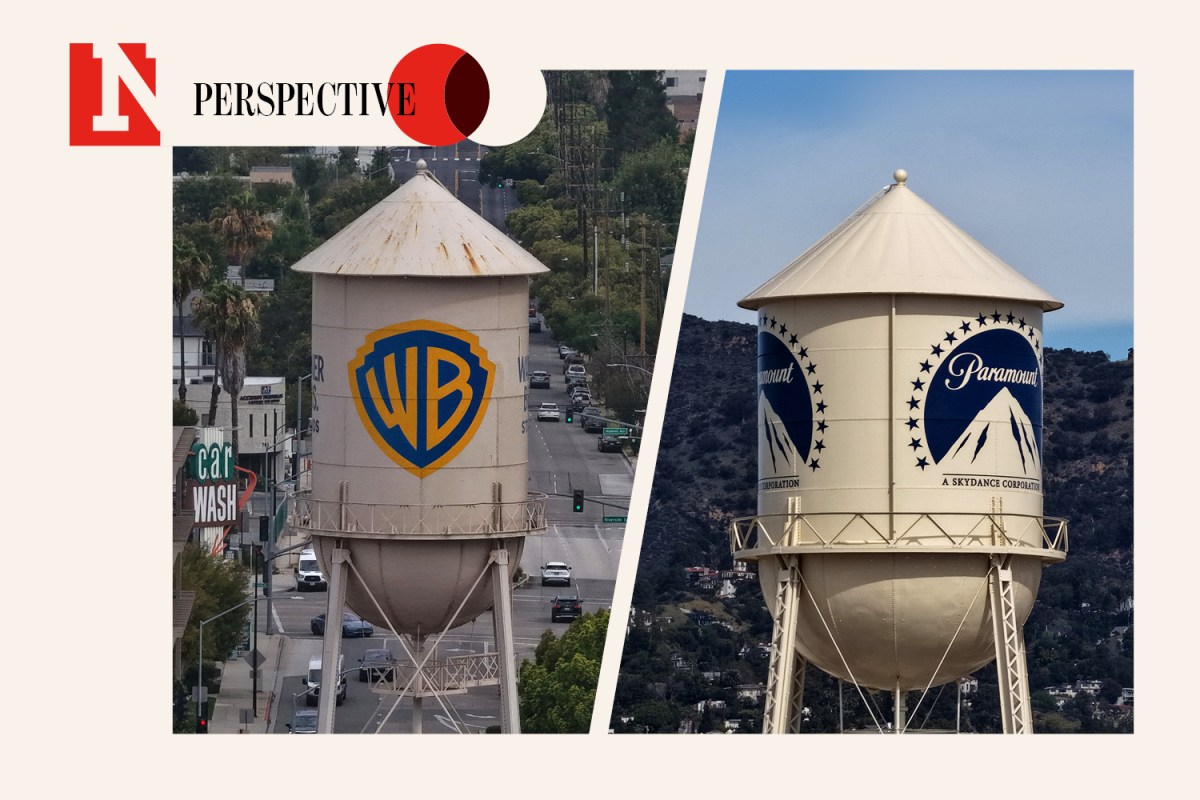
Despite the European clearance, European industry groups expressed dissatisfaction. UNIC argued that the conditions should have gone further.
Keep reading