ONE OK ROCK’s Taipei Dome Concert Sparks Controversy Over “Man-Made Earthquake” Complaints
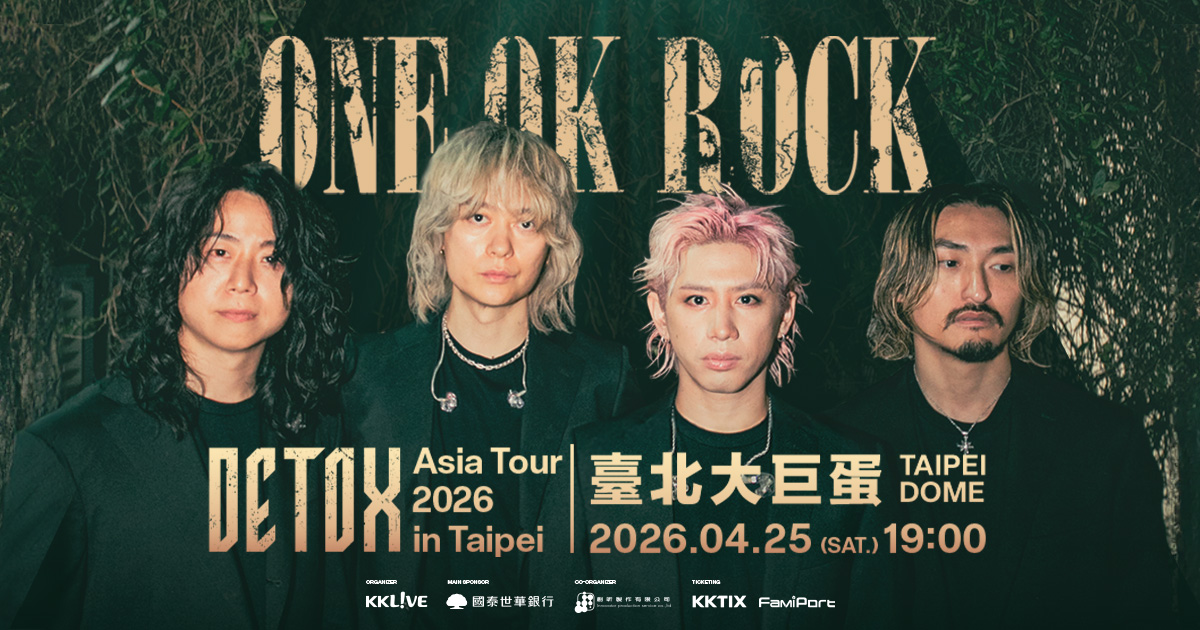
Taipei, Taiwan — The Japanese rock band ONE OK ROCK made history this past weekend as the first Japanese act to perform at Taipei Dome, drawing nearly 70,000 fans over two nights. However, the high-energy performances on April 25 and 26 have ignited a debate about noise and vibration levels, with some nearby residents comparing the experience to a “man-made earthquake.” The controversy has drawn sharp responses from event organizers and public figures, including prominent Taiwanese media personality Chiu Li-Kuan, known as “Kuan Jie,” whose blunt remarks have gone viral.

The band’s concerts, part of their “Luxury Disease World Tour”, marked a milestone for the venue, which opened in 2023. ONE OK ROCK, formed in Tokyo in 2005, has gained international acclaim, collaborating with artists like Ed Sheeran and Avril Lavigne. Their Taipei shows were sold out, with fans traveling from across Asia to attend. But the celebrations were tempered by complaints from residents in nearby neighborhoods, who reported feeling intense vibrations during the performances.
Residents Report “Man-Made Earthquake” During Performances
According to reports from local media, including NOWnews and ETtoday, residents near Taipei Dome described the vibrations from the concerts as disruptive, with some likening the experience to an earthquake. Complaints were filed with local authorities, including the Taipei City Government’s Sports Bureau, which oversees the venue. One resident told reporters that the shaking lasted for nearly two hours each night, making it difficult to sleep or concentrate.
The Sports Bureau responded by requesting that the concert organizers implement measures to reduce the impact of the vibrations. According to ETtoday, one proposed solution was to encourage fans to clap instead of jump during the performances. However, this suggestion was met with mixed reactions from concertgoers, many of whom felt that jumping and dancing are integral parts of the live music experience. Some fans expressed frustration on social media, arguing that the request diminished the energy of the concert.
Chiu Li-Kuan’s Viral Response: “Should We Hold Concerts in the Morning?”
The controversy took a sharper turn when Chiu Li-Kuan, a well-known Taiwanese media personality and founder of Kuan Yu International, a major concert promotion company, weighed in on the debate. Chiu, often referred to as “Kuan Jie,” took to Facebook to address the complaints, posting a blunt response that quickly went viral. Her post read: “Oh, come on! Should we hold concerts in the morning? Or during work and school hours? Should people skip work or school to attend? Or should only the unemployed, dropouts, or retirees with free time be allowed to go?”
阿不然?辦在大清早?還是上班上課時間?大家上班上課時間?翹班翹課來看?還是沒工作的失業的人、退學不用上學的?退休了有閒的人看? pic.twitter.com/XYZ123
— 邱瓈寬 Chiu Li-Kuan (@kuanjie) April 28, 2026
Chiu’s remarks struck a chord with many fans and industry insiders, who argued that evening concerts are standard practice to accommodate the schedules of working and school-going audiences. Her post received thousands of likes and shares, with many commenters praising her for “hitting the nail on the head.” However, critics accused her of dismissing the legitimate concerns of residents, arguing that the issue was not about the timing of the concerts but rather the lack of adequate soundproofing or vibration control at the venue.
Taipei Dome’s Growing Pains as a Major Venue
This is not the first time Taipei Dome has faced criticism over noise and vibration issues. Since its opening, the venue has hosted a series of high-profile events, including concerts by international artists like Coldplay and local stars such as Jay Chou. While the dome is designed to accommodate large crowds, its location in a densely populated urban area has raised concerns about its impact on nearby residents.
In response to the complaints, Taipei City officials have stated that they are working with venue operators to explore long-term solutions, such as improved soundproofing and vibration-dampening technologies. However, these measures are likely to accept time and significant investment. In the meantime, the Sports Bureau has urged concert organizers to be more mindful of the venue’s surroundings and to communicate proactively with residents about potential disruptions.
The Broader Debate: Balancing Entertainment and Community Impact
The controversy surrounding ONE OK ROCK’s concerts highlights a growing tension in cities around the world: the need to balance the economic and cultural benefits of large-scale entertainment venues with the quality of life for nearby residents. Taipei Dome, with its capacity of over 50,000, is a major draw for tourism and local business, but its size and location also produce it a potential source of disruption.
Similar debates have played out in other major cities. For example, in London, residents near the O2 Arena have long complained about noise from concerts, leading to legal battles and calls for stricter regulations. In New York, the Barclays Center in Brooklyn has faced similar issues, with residents arguing that the venue’s events disrupt their daily lives. These cases underscore the challenges that cities face in managing the impact of large venues on urban communities.
For Taipei, the ONE OK ROCK controversy may serve as a catalyst for broader discussions about how to mitigate the impact of large-scale events on residents. Potential solutions could include stricter noise and vibration limits, better soundproofing, or even relocating some events to less densely populated areas. However, any changes will need to balance the interests of residents, event organizers, and the broader public.
What’s Next for Taipei Dome and Concert Organizers?
In the short term, Taipei Dome and concert organizers are likely to face continued scrutiny over how they manage noise and vibration levels. The Sports Bureau has indicated that it will monitor future events closely and may impose additional conditions on organizers to minimize disruptions. For their part, organizers have expressed a willingness to work with authorities to address the concerns of residents.

ONE OK ROCK’s concerts may have sparked the debate, but the issue is far from resolved. As Taipei continues to grow as a destination for international events, the city will need to locate a way to ensure that its venues can operate without unduly impacting the lives of those who live nearby. For now, the controversy serves as a reminder of the challenges that come with hosting large-scale entertainment in urban areas.
Key Takeaways
- Historic Concerts: ONE OK ROCK became the first Japanese band to perform at Taipei Dome, drawing nearly 70,000 fans over two nights.
- Resident Complaints: Nearby residents reported feeling intense vibrations during the concerts, comparing the experience to a “man-made earthquake.”
- Viral Response: Media personality Chiu Li-Kuan’s blunt Facebook post about the timing of concerts sparked widespread debate online.
- Regulatory Scrutiny: Taipei City’s Sports Bureau has requested that organizers implement measures to reduce vibrations, such as encouraging fans to clap instead of jump.
- Broader Implications: The controversy highlights the challenges of balancing large-scale entertainment with the quality of life for nearby residents, a debate playing out in cities worldwide.
As Taipei Dome prepares for its next major event—including upcoming concerts by Singaporean singer Stefanie Sun—authorities and organizers will need to address these concerns head-on. For now, the conversation continues, both online and in the neighborhoods surrounding the venue.
What do you think? Should cities prioritize the economic benefits of large venues, or should they take stricter measures to protect residents from disruptions? Share your thoughts in the comments below.