
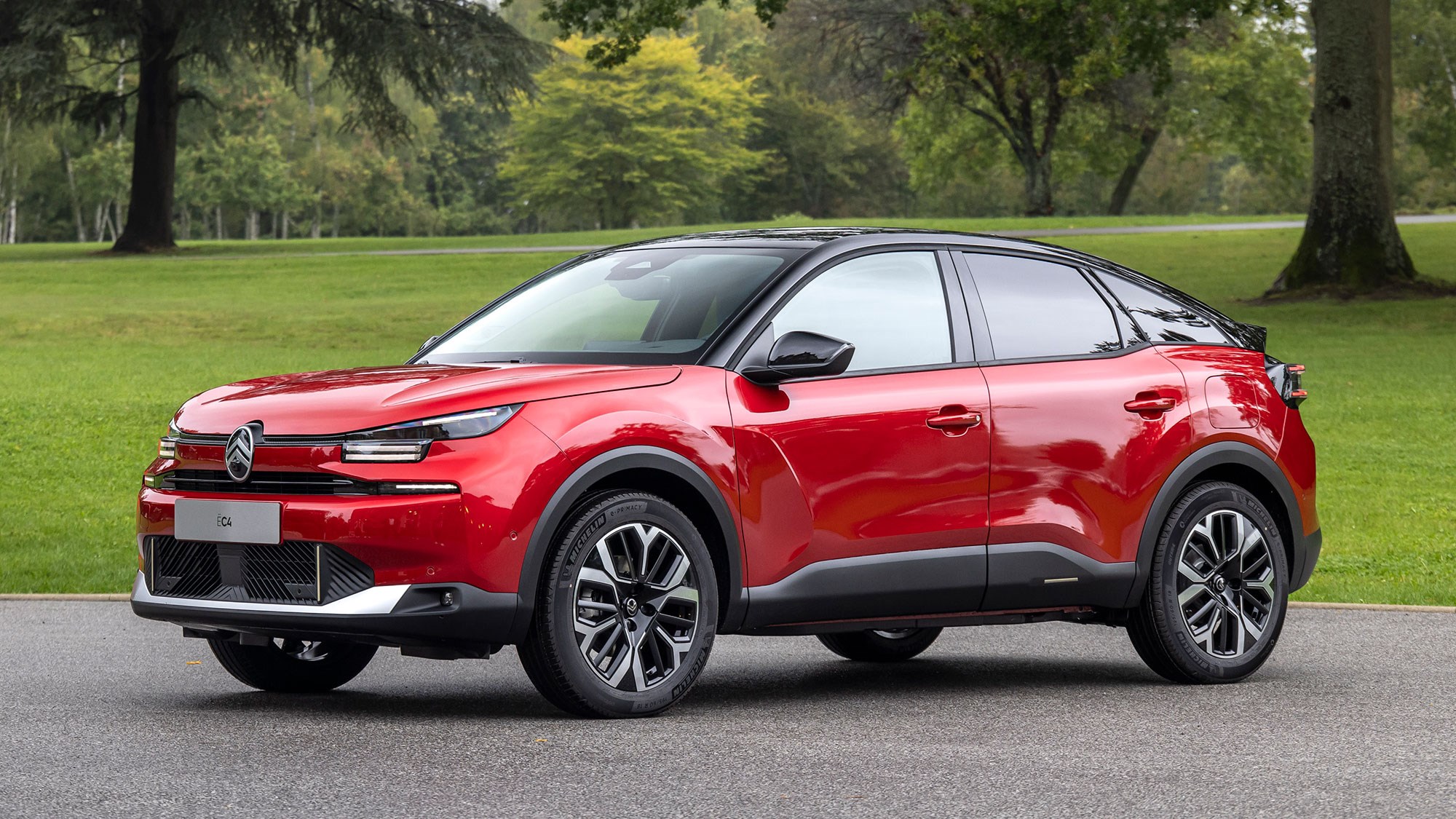
In a move reflecting the shifting dynamics of the European automotive market, Stellantis-owned brands Opel and Citroën have adjusted their pricing strategies for electric vehicles (EVs) produced in Slovakia. As the automotive industry navigates the complexities of the transition to zero-emission mobility, these adjustments are being closely watched by market analysts and consumers alike. This shift highlights a broader trend within the Stellantis group, which has been working to optimize production and distribution across its manufacturing footprint, including its significant presence in the Slovak Republic, a major hub for European car assembly [1].
The strategic pricing of these vehicles, often referred to colloquially as “Made in Slovakia” units, underscores the importance of the region in the group’s overarching electrification strategy. With Opel operating as a core subsidiary under the Stellantis umbrella since the 2021 merger, the brand has been tasked with accelerating its transition to a fully electric lineup [2]. By streamlining production costs and adjusting retail pricing, the manufacturer aims to improve the accessibility of its battery-electric vehicles (BEVs) to a wider demographic of European buyers.
The Evolution of Production Strategy
Opel, which traces its history back to a sewing machine manufacturer in 1862, has undergone significant corporate shifts over the last decade, transitioning from General Motors to the PSA Group, and finally to Stellantis [2]. This latest iteration of the company, headquartered in Rüsselsheim am Main, Germany, has leaned heavily into the industrial advantages offered by its manufacturing facilities in Central and Eastern Europe [2]. The Slovak production lines are integral to this, serving as a vital node in the supply chain for compact and mid-sized electric models that compete in the highly contested European market.
For consumers, these pricing adjustments are a critical development. As of the most recent market updates, the automotive sector is facing increased pressure to balance the high costs of battery technology with the demand for affordable consumer options. The ability of major manufacturers to leverage economies of scale in plants like those located in Slovakia is a primary lever in maintaining competitiveness against both domestic rivals and emerging international entrants [3].
Market Impact and Consumer Accessibility
The decision by Opel and Citroën to refine their pricing structures is not merely a tactical maneuver but a response to the evolving regulatory landscape in the European Union. With stringent emissions standards becoming more rigid, manufacturers are under constant pressure to increase the volume of electric vehicle sales [3]. By making these “Made in Slovakia” models more affordable, Stellantis is effectively incentivizing the adoption of EVs among middle-market consumers who may have previously been deterred by the price premium associated with battery-powered alternatives.

while production efficiency is a key factor, the volatility of raw material costs, particularly lithium and cobalt, continues to influence the bottom line for automotive giants. The Stellantis group, which maintains a diverse portfolio including brands like Fiat, Peugeot, and Vauxhall, utilizes a centralized procurement strategy to mitigate these fluctuations [2]. This financial discipline allows for more agile pricing adjustments when production efficiencies are realized at the factory level.
Looking Ahead: The Road to Electrification
As we look toward the remainder of 2026, the focus for Opel and its sister brands will remain on scaling the production of electric and hybrid drivetrains [3]. The company’s commitment to “German precision technology,” a hallmark of its brand identity, is being tested as it integrates these standards into high-volume electric production [3]. Analysts expect that further refinements in manufacturing, particularly in software-defined vehicle architectures, will continue to drive down the cost-per-unit for consumers.
For those tracking the industry, the next significant checkpoint will be the release of quarterly financial results and production volume reports from the Stellantis manufacturing group. These disclosures will provide the definitive data required to assess the long-term sustainability of current pricing models and the impact of regional production hubs on the company’s global margins. We will continue to monitor official company filings and regulatory updates as they become available to provide the most accurate picture of the market’s trajectory.
What are your thoughts on the shifting price of electric vehicles in the European market? Do you believe these adjustments are sufficient to tip the balance toward mass adoption? Join the conversation in the comments section below and share your insights with our global community.
Related reading